Mamata Banerjee moves SC for urgent hearing on ECI's TMC symbol freeze
Synopsis
The Election Commission froze the TMC's iconic 'Flowers and Grass' symbol mid-notification — and now Mamata Banerjee is racing to the Supreme Court to reverse it before the 6 October by-elections. With 20 rebel MPs already aligned with a rival party and the anti-defection clock ticking, this is no ordinary symbol dispute: it is a full-scale battle over who owns one of India's most powerful regional parties.
Key Takeaways
Mamata Banerjee sought urgent Supreme Court listing on 21 September 2026 to challenge the ECI's freeze on the TMC's name and 'Flowers and Grass' symbol.
Senior advocate Kapil Sibal argued the ECI froze the symbol mid-by-poll notification; CJI Surya Kant assured the matter would be considered for listing.
The ECI allotted the Mamata faction the name 'Mamata All India Trinamool Congress' and the 'football player' symbol for the upcoming by-elections.
The rival faction, led by expelled legislator Ritabrata Banerjee , received the name 'Democratic Trinamool Congress' and the 'envelope' symbol.
By-elections in Nandigram and Rejinagar Assembly constituencies in West Bengal are scheduled for 6 October .
20 rebel TMC Lok Sabha MPs have broken away and aligned with the Nationalist Citizens Party of India (NCPI) ; the Supreme Court had issued notice to them on 25 August .
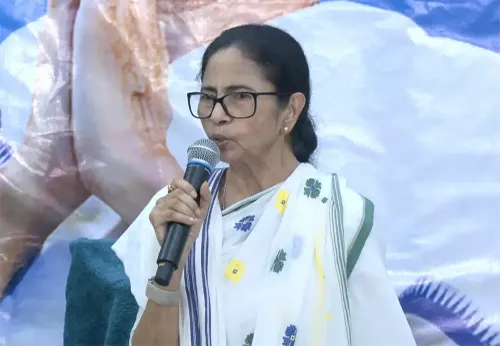
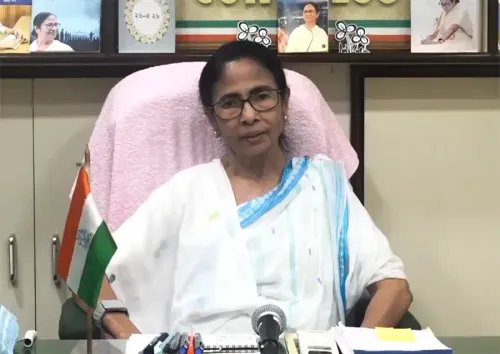
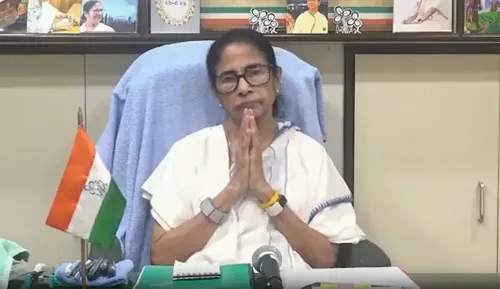
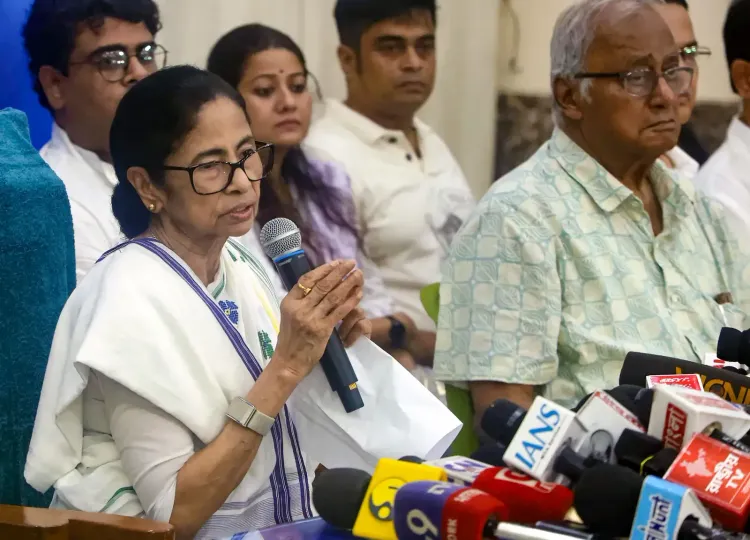
Trinamool Congress (TMC) chief Mamata Banerjee on Monday, 21 September 2026, sought urgent listing before the Supreme Court of her plea challenging the Election Commission of India's (ECI) interim decision to freeze the party's name and election symbol amid a bitter factional dispute that has split the TMC at both state and national levels.
What Happened in Court
Senior advocate Kapil Sibal, appearing on behalf of Mamata Banerjee, mentioned the matter before Chief Justice of India (CJI) Surya Kant, pressing for an urgent hearing. Sibal argued that the ECI had issued a by-poll notification and frozen the symbol mid-way through the process.
'They issue a by-poll notification and in the middle of notification, they freeze the symbol. We want urgent listing,' Sibal submitted. CJI Kant acknowledged both sides would need to be heard and assured that the matter would be considered for listing. 'Both sides will have something to say. When the matter is listed, then argue. We will try to list,' the CJI said.
The ECI's Interim Order Explained
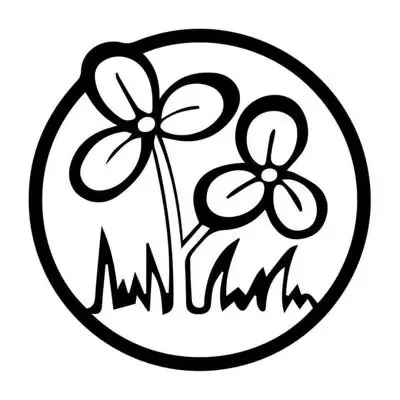
The ECI had on Thursday passed an interim order barring both rival factions from using the party's established name 'All India Trinamool Congress' and its reserved 'Flowers and Grass' election symbol. The poll body observed that two groups were staking claim to the recognised political party and that the dispute required a substantive determination under Paragraph 15 of the Election Symbols (Reservation and Allotment) Order, 1968.
As a temporary measure, the ECI allotted alternative identities to both factions ahead of the 6 October by-elections in West Bengal. The Mamata-led faction was assigned the name 'Mamata All India Trinamool Congress' and the 'football player' symbol, while the rival faction was allotted the name 'Democratic Trinamool Congress' and the 'envelope' symbol. The by-elections cover key constituencies including Nandigram and Rejinagar Assembly seats.
The Broader Factional Dispute
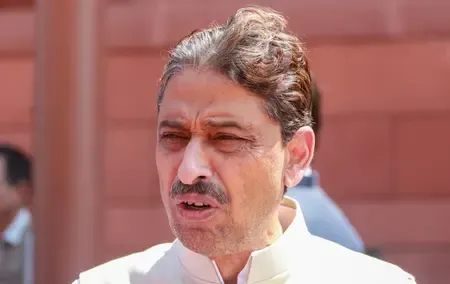
The TMC's internal fracture runs deep. The rival camp is led by expelled legislator Ritabrata Banerjee, who has claimed control over the party's organisational and legislative structures. The split has also spilled into Parliament: 20 rebel TMC Lok Sabha MPs broke away and aligned with the Nationalist Citizens Party of India (NCPI), claiming recognition as a separate parliamentary group.
The Mamata-led faction had separately challenged the delay by Lok Sabha Speaker Om Birla in deciding disqualification petitions against the rebel MPs under the anti-defection law. On 25 August, the Supreme Court issued notice to the 20 rebel MPs on a plea filed by TMC National General Secretary Abhishek Banerjee, while refraining from issuing notice to the Speaker. Solicitor General Tushar Mehta, appearing for the Speaker, had informed the court that notices had already been issued to the MPs in the disqualification proceedings.
The TMC has maintained that the MPs were elected on its symbol and that their subsequent move to another political formation attracts anti-defection provisions. The rebel faction, however, claims the support of more than two-thirds of the TMC's Lok Sabha MPs and has sought recognition as a separate parliamentary group.
What the ECI Said About Its Order
The poll body's interim order stated that the temporary arrangement was intended to place the rival groups on an even footing and protect their respective rights and interests pending final determination of the dispute. The Mamata-led faction has maintained that it does not accept the ECI's interim arrangement, setting the stage for a Supreme Court showdown before the 6 October by-elections.
With the apex court yet to formally list the matter, the clock is ticking — and the outcome will shape not just which symbol appears on ballot papers in Nandigram and Rejinagar, but the future of one of India's most consequential regional parties.
Point of View
Days before a by-poll, hands both sides a grievance narrative. What is underreported is how the rebel faction's claim of two-thirds Lok Sabha strength, if verified, could structurally hollow out the original TMC's parliamentary identity, separate from the symbol row. The Supreme Court's reluctance to issue notice to Lok Sabha Speaker Om Birla on the disqualification delay signals judicial caution on separation of powers — but that caution may leave the anti-defection proceedings in limbo long enough to render them irrelevant. Mamata Banerjee's core political brand has always been inseparable from the TMC symbol; fighting under a surrogate name in Nandigram is a test of whether that brand transcends the ballot paper.
NationPress
21 Sept 2026
Frequently Asked Questions
Why did the ECI freeze the TMC's name and election symbol?
The Election Commission of India froze the TMC's name 'All India Trinamool Congress' and its 'Flowers and Grass' symbol because two rival factions were both claiming to be the recognised party. The ECI said the dispute required a substantive determination under Paragraph 15 of the Election Symbols (Reservation and Allotment) Order, 1968, and issued the freeze as an interim measure to place both sides on equal footing before the 6 October by-elections.
What symbols have been allotted to the two TMC factions for the by-elections?
The Mamata Banerjee-led faction has been allotted the name 'Mamata All India Trinamool Congress' and the 'football player' symbol. The rival faction has been allotted the name 'Democratic Trinamool Congress' and the 'envelope' symbol. Both arrangements apply to the 6 October West Bengal by-elections, including Nandigram and Rejinagar constituencies.
What did the Supreme Court say on Mamata Banerjee's urgent plea?
Chief Justice of India Surya Kant assured that the matter would be considered for listing, noting that both sides would have submissions to make. The court had not formally listed the case as of 21 September 2026, with the CJI saying 'We will try to list' after hearing senior advocate Kapil Sibal's request.
What is the anti-defection case against the 20 rebel TMC MPs?
The Mamata-led TMC filed disqualification petitions against 20 rebel Lok Sabha MPs who broke away and aligned with the Nationalist Citizens Party of India (NCPI). The Supreme Court issued notice to the 20 rebel MPs on 25 August on a plea by TMC National General Secretary Abhishek Banerjee. Solicitor General Tushar Mehta informed the court that Lok Sabha Speaker Om Birla had already issued notices to the MPs in the disqualification proceedings.
Which West Bengal constituencies are going to by-elections on 6 October?
The 6 October by-elections in West Bengal include the Nandigram and Rejinagar Assembly constituencies, among others. These polls are the immediate trigger for the urgency of the TMC symbol dispute, as both factions need a confirmed name and symbol before ballot papers are finalised.