Mandaviya Backs PM Viksit Bharat Rozgar Yojana for Youth
Synopsis
Union Minister Mansukh Mandaviya on June 19, 2026, championed the PM Viksit Bharat Rozgar Yojana, calling it PM Modi's resolve to fulfil the dreams of India's youth, reinforcing the government's Viksit Bharat 2047 employment agenda.
Key Takeaways
Union Labour and Sports Minister Mansukh Mandaviya publicly backed the PM Viksit Bharat Rozgar Yojana on June 19, 2026 .
The minister described the scheme as a reflection of PM Narendra Modi 's resolve to fulfil the aspirations of India's youth.
The scheme is part of the broader Viksit Bharat 2047 roadmap, which places employment generation at its core.
India's central government has run employment and skilling initiatives since at least the Skill India Mission launch in 2015 .
Specific provisions, eligibility criteria, and budgetary allocations for the yojana are yet to be officially detailed.
Indian youth, particularly first-time job seekers, are the primary target beneficiaries of the scheme.
Union Labour and Sports Minister Mansukh Mandaviya on Friday, June 19, 2026, took to social media to champion the PM Viksit Bharat Rozgar Yojana, framing the scheme as a direct expression of Prime Minister Narendra Modi's commitment to realising the aspirations of India's youth.
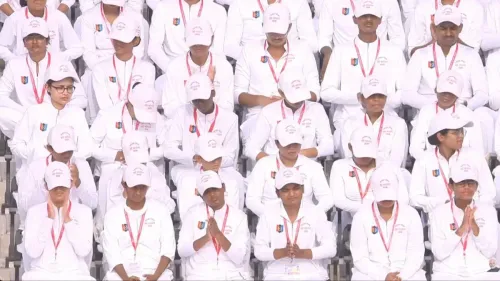
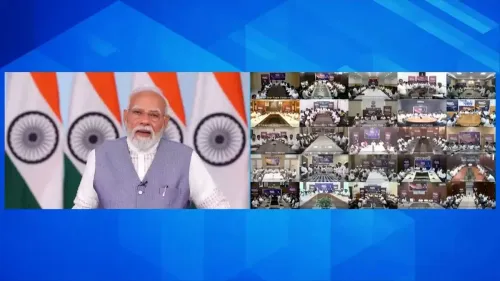
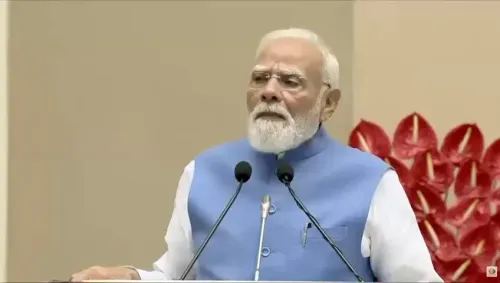
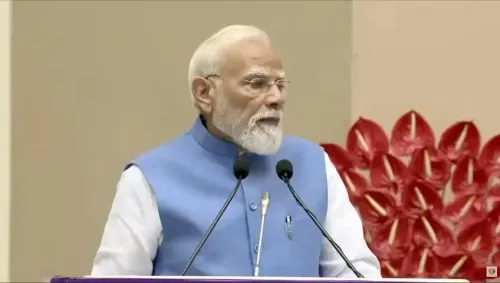
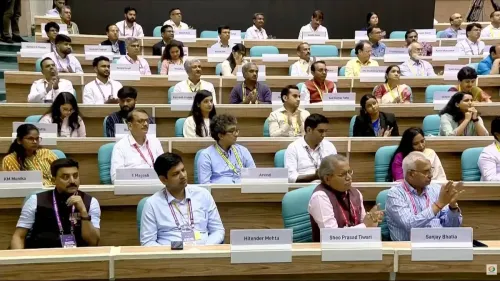
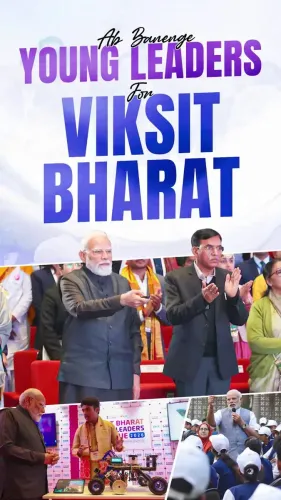
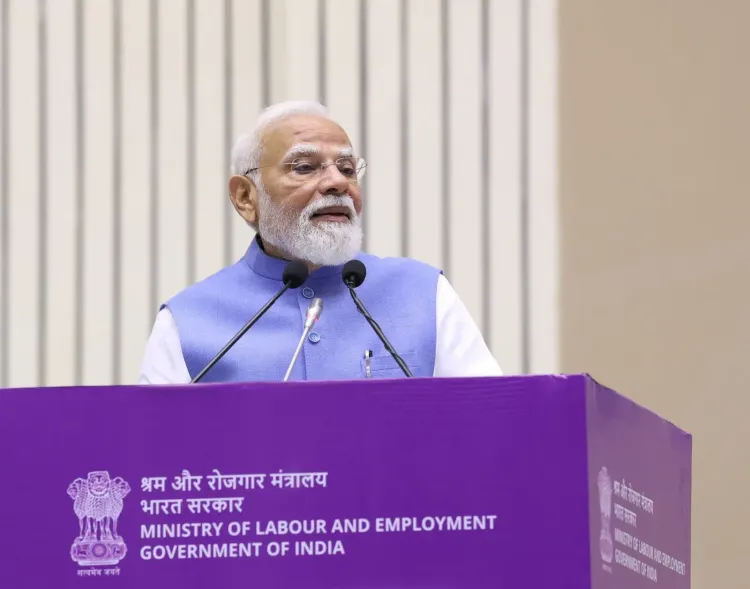
In his post, the minister wrote, 'Yuvaon ke sapne, Modi ji ka sankalp!' — translated as 'The dreams of the youth, Modi ji's resolve!' — accompanied by four images highlighting the scheme's outreach and objectives.
Context
The PM Viksit Bharat Rozgar Yojana is positioned within the broader Viksit Bharat 2047 vision, the central government's long-term roadmap to transform India into a developed nation by the centenary of its independence. Employment generation and youth skilling are among the roadmap's core pillars. Mandaviya's post signals continued ministerial momentum behind this initiative.
The minister oversees two portfolios — Labour and Employment and Youth Affairs and Sports — making him a central figure in policy that bridges job creation with youth development.
Policy Backdrop
India's central government has pursued a series of employment and skilling initiatives over the past decade. The Skill India Mission, launched in 2015, aimed to train millions of young Indians for the workforce and remains a foundational plank of the government's human-capital strategy. The PM Viksit Bharat Rozgar Yojana is the latest in this lineage of centrally-sponsored schemes targeting youth unemployment.
Successive Union Budgets have allocated increasing resources to employment-linked incentive programmes, reflecting persistent political priority around job creation amid a large and growing working-age population. The scheme's specific provisions, budgetary outlay, and operational guidelines are expected to be detailed in forthcoming parliamentary or administrative communications.
Stakeholders and Impact
Indian youth — particularly first-time job seekers and those in the informal sector — are the primary beneficiaries targeted by this class of scheme. Employers, especially in labour-intensive sectors such as manufacturing, logistics, and services, are typically co-stakeholders in employment-linked incentive frameworks.
State governments and skilling agencies are also key implementation partners, as the federal structure of India requires coordinated rollout between the Centre and states for such programmes to achieve scale.
What's Next
Detailed operational guidelines, eligibility criteria, and budgetary allocations for the PM Viksit Bharat Rozgar Yojana are anticipated in the next Union Budget cycle or through a dedicated ministry notification. Mandaviya's public endorsement suggests the scheme will remain a visible government communication priority in the weeks ahead.
With youth unemployment remaining a politically sensitive indicator, the government's ability to demonstrate measurable outcomes under this yojana will be closely watched by policymakers, economists, and opposition parties alike.
Point of View
A pattern consistent with the BJP's strategy of attributing flagship programmes to the Prime Minister's vision ahead of electoral cycles. The invocation of 'Viksit Bharat' connects a routine ministerial update to a grand civilisational narrative, amplifying its resonance beyond a standard policy announcement. For a minister who straddles both labour and youth portfolios, championing such a scheme publicly reinforces his own political positioning within the party. The real test, however, will lie in verifiable rollout data and beneficiary numbers, which analysts and opposition will scrutinise closely.
NationPress
19 Sept 2026
Frequently Asked Questions
What is PM Viksit Bharat Rozgar Yojana?
The PM Viksit Bharat Rozgar Yojana is a central government employment scheme aimed at India's youth, positioned under the Viksit Bharat 2047 development roadmap. Specific provisions and eligibility details are yet to be officially notified.
Who is Mansukh Mandaviya?
Mansukh Mandaviya is the Union Minister of Labour and Employment and Youth Affairs and Sports, and a senior BJP leader. He is responsible for policy related to jobs, skilling, and youth development at the national level.
What is Viksit Bharat 2047?
Viksit Bharat 2047 is the Indian central government's long-term vision to make India a fully developed nation by 2047, the centenary of its independence, with employment and economic growth as key pillars.
What is the Skill India Mission?
The Skill India Mission was launched in 2015 to train millions of young Indians with vocational and technical skills to improve their employability. It is a predecessor initiative in the government's broader youth employment policy lineage.
When did Mandaviya post about PM Viksit Bharat Rozgar Yojana?
Mandaviya posted about the PM Viksit Bharat Rozgar Yojana on Friday, June 19, 2026, on the social media platform X.