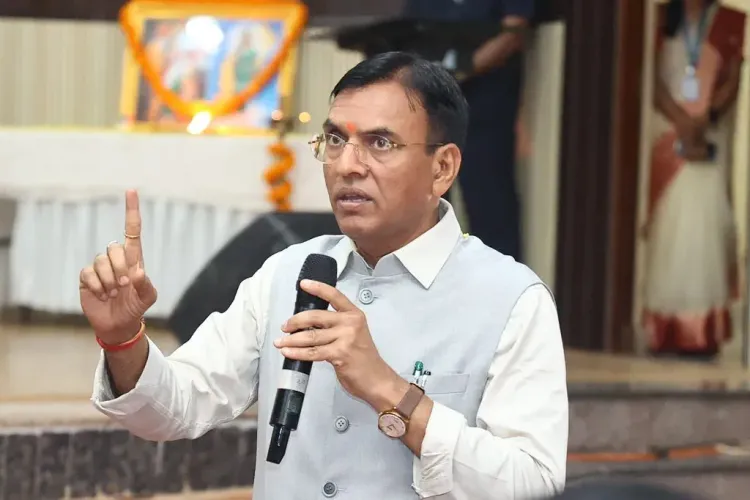
Mandaviya holds Yuva Samvad with youth in Jagdalpur
Synopsis
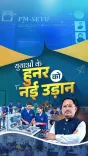
Union Minister Mansukh Mandaviya convened a Yuva Samvad session in Jagdalpur, Chhattisgarh on November 2, 2026, calling the youth dialogue a 'conch-call of boundless energy' and a resolve for new beginnings in the Bastar region.
Key Takeaways
Mansukh Mandaviya , Union Minister for Labour & Employment and Youth Affairs & Sports, held a Yuva Samvad session in Jagdalpur, Chhattisgarh on November 2, 2026 .
The minister described the event as a 'resolve for new construction and a conch-call of boundless energy' with young participants.
Yuva Samvad is a Ministry of Youth Affairs and Sports initiative for direct dialogue between central ministers and youth across India's districts.
The programme aligns with the National Youth Policy 2014 , which mandates structured youth participation in governance and nation-building.
Jagdalpur , the administrative hub of Bastar district, is located in a significant tribal belt of Chhattisgarh, underscoring the outreach's geographic intent.
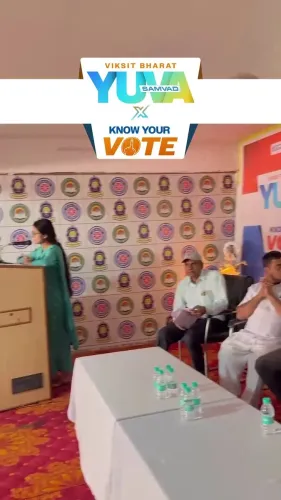
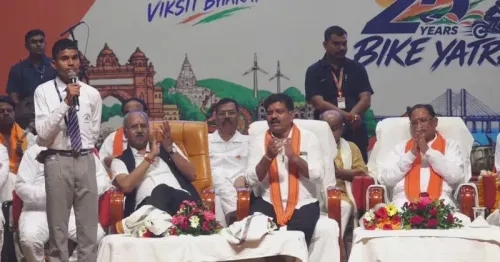
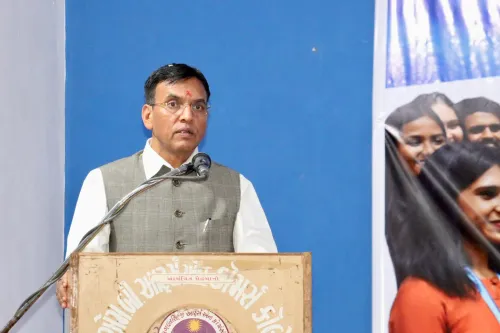
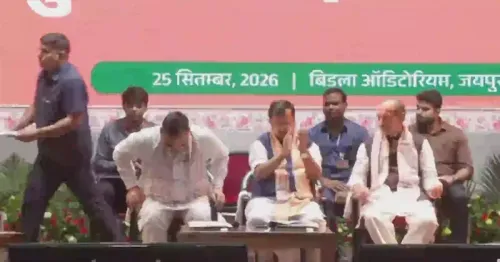
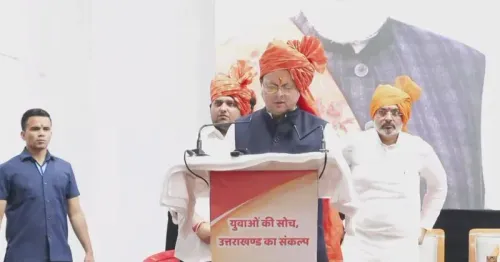
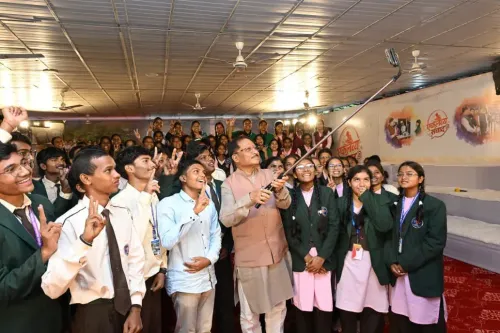
A pledge of new beginnings and an eruption of youthful energy — that was the mood at Jagdalpur, Chhattisgarh, on Monday, November 2, 2026, as Union Labour and Sports Minister Mansukh Mandaviya convened a Yuva Samvad session with young citizens from across the Bastar region.
Mandaviya described the gathering as 'nav-nirman ka sankalp aur aseem urja ka shankhnaad' — 'a resolve for new construction and the conch-call of boundless energy' — framing the dialogue not as a routine outreach event but as a moment of collective intention-setting with India's next generation.
Yuva Samvad: what the initiative stands for
The Yuva Samvad programme is a direct-dialogue platform run under the Ministry of Youth Affairs and Sports, designed to bring central ministers face-to-face with young citizens in their own districts. The idea is simple but deliberately personal: remove the podium distance and let youth voice their aspirations, concerns, and ideas directly to policymakers.
The initiative draws its mandate from the National Youth Policy 2014, which identified structured youth dialogue and skill-linked participation as pillars of inclusive nation-building. In practice, these sessions have become a consistent outreach instrument for the Ministry across states.
Why Jagdalpur, and why it matters
Jagdalpur is the administrative heart of Bastar district, one of Chhattisgarh's most significant tribal regions. Bringing a Union-level dialogue programme to this town signals a deliberate push to extend youth engagement beyond metropolitan centres and into areas where government connectivity has historically been thinner.
Chhattisgarh has been a focus state for both youth development and sports infrastructure investment, making it a natural venue for the Ministry's outreach calendar. Central ministers from the BJP-led government have steadily expanded state-level Yuva Samvad stops, aligning local energy with national development themes.
The minister's framing — 'shankhnaad', the conch-call of ancient tradition repurposed as a metaphor for mobilisation — carried a tone that was unmistakably celebratory and forward-looking, positioning young people not as beneficiaries of policy but as its architects.
The next test is whether today's conversation in Bastar translates into follow-through: announced schemes, identified local champions, or youth representation in upcoming national sports and employment programmes. The conch has been sounded. The answer lies in what comes next.
Point of View
Deep in Chhattisgarh's tribal heartland, signals that the ministry is deliberately extending this footprint beyond easy urban venues. For Mandaviya, who holds the dual charge of labour and youth portfolios, these dialogues also serve as an early pipeline for surfacing grassroots talent in sports and employment. The real policy test, however, is whether the 'conch-call' metaphor becomes institutional momentum or remains ceremonial energy.
NationPress
2 Nov 2026
Frequently Asked Questions
What is Yuva Samvad?
Yuva Samvad is a direct-dialogue initiative run by the Ministry of Youth Affairs and Sports that brings central ministers face-to-face with young citizens at the district level to discuss development, sports, and employment opportunities.
Where did Mansukh Mandaviya hold the Yuva Samvad on November 2, 2026?
The session was held in Jagdalpur , the main administrative town of Bastar district in Chhattisgarh.
Who is Mansukh Mandaviya?
Mansukh Mandaviya is a senior BJP leader from Gujarat who serves as the Union Minister of Labour & Employment and Youth Affairs & Sports in the central government.
What is the National Youth Policy 2014?
The National Youth Policy 2014 is a government framework that identifies structured youth dialogue, skill development, and youth participation in governance as core objectives for inclusive nation-building in India.
Why is Jagdalpur significant for a Yuva Samvad session?
Jagdalpur is the administrative hub of Chhattisgarh's Bastar district — a predominantly tribal area — making its selection as a Yuva Samvad venue a deliberate effort to extend youth outreach beyond urban centres.