Mandaviya flags Rs 43.72 cr Madhavpur shrine upgrade
Synopsis
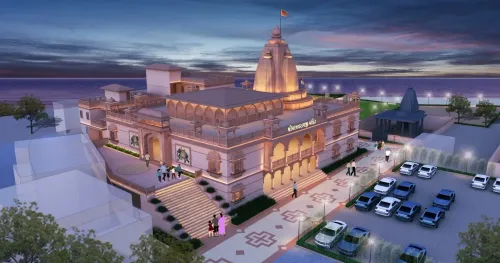
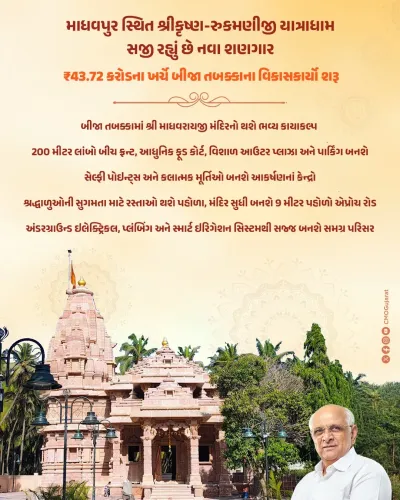
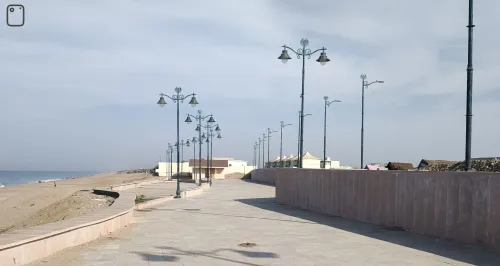
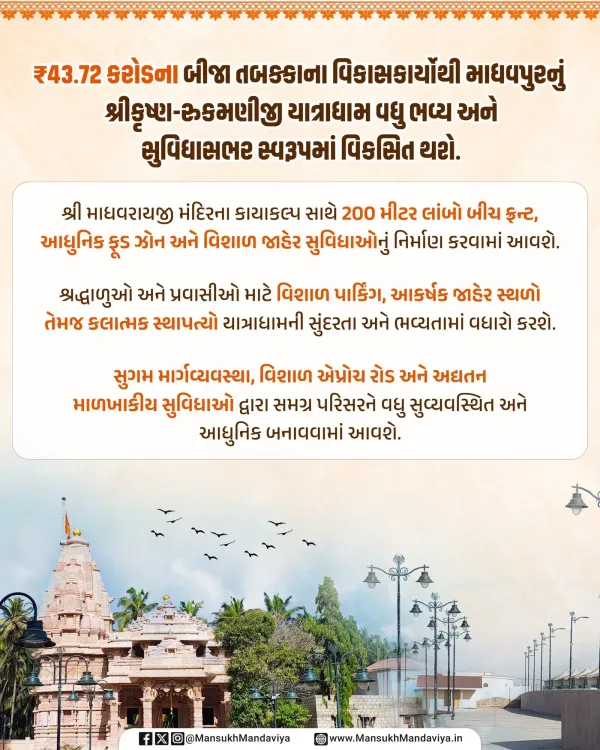
Union Minister Mansukh Mandaviya announced the launch of a Rs 43.72 crore second-phase redevelopment of the Shri Krishna-Rukminiji Yatradham at Madhavpur in Porbandar district, Gujarat, framing it under PM Modi's 'Vikas Bhi, Virasat Bhi' vision to elevate the site as a centre of faith and tourism.
Key Takeaways
Union Minister Mansukh Mandaviya highlighted the commencement of the second phase of works at Shri Krishna-Rukminiji Yatradham , Madhavpur, on July 7, 2026 .
The second phase is valued at ₹43.72 crore and is being executed by the Gujarat state government under Chief Minister Bhupendra Patel .
The project is anchored in PM Narendra Modi 's 'Vikas Bhi, Virasat Bhi' vision linking infrastructure development with cultural heritage preservation.
Madhavpur in Porbandar district is the mythological site of the Krishna-Rukmini wedding and hosts the annual Madhavpur Mela .
The development is part of a broader BJP policy of upgrading Hindu pilgrimage sites across the Saurashtra peninsula, consistent with the central government's PRASHAD scheme launched in 2014-15.
Completion of the second phase is expected to boost pilgrim capacity, local tourism, and the Porbandar district economy.
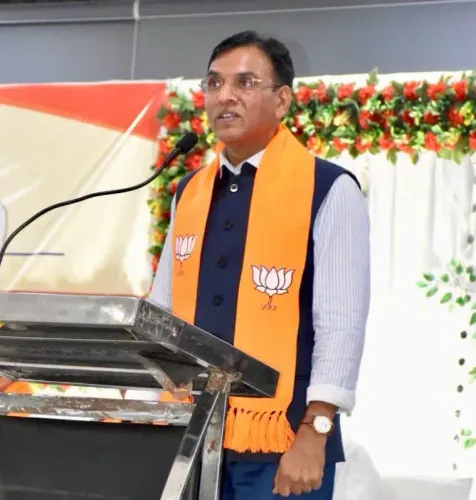
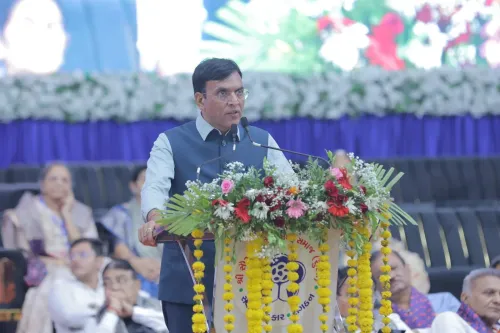
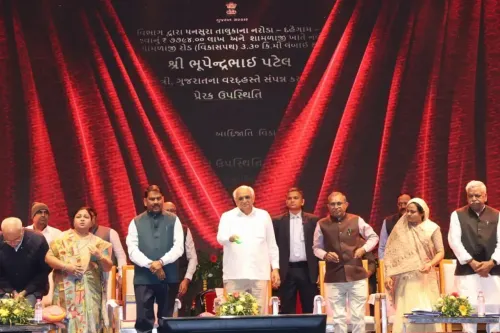
Union Labour and Sports Minister Mansukh Mandaviya on Tuesday, July 7, 2026, highlighted the launch of the second phase of development works at the ancient Shri Krishna-Rukminiji Yatradham in Madhavpur, Porbandar district, Gujarat, valued at ₹43.72 crore, crediting the initiative to Prime Minister Narendra Modi's 'Vikas Bhi, Virasat Bhi' vision and Chief Minister Bhupendra Patel's leadership.
Context
Mandaviya's post, written in Gujarati, announced that the Gujarat state government has formally commenced the second phase of redevelopment at the Madhavpur pilgrimage complex, a site steeped in mythology as the location where Lord Krishna is believed to have wed Rukmini. The minister described the works as giving Madhavpur 'નવી ઊંચાઈ' (new heights) as a centre of faith and tourism.
The phrase 'Vikas Bhi, Virasat Bhi' — meaning 'Development Too, Heritage Too' — is a guiding slogan of the Modi government that frames infrastructure investment at religious and cultural sites as inseparable from India's broader growth agenda. Mandaviya, a senior BJP leader and Gujarat MP, regularly amplifies state-level projects that align with this central government priority.
Policy Backdrop
The redevelopment fits within a wider pattern of pilgrimage-site upgrades pursued by both the central and Gujarat state governments since 2014. The Union Ministry of Tourism's PRASHAD scheme, launched in 2014-15, was designed precisely to rejuvenate pilgrimage and heritage destinations across India, with several Saurashtra sites — including Somnath and Dwarka — among its beneficiaries.
Gujarat's successive BJP administrations have carried out phased redevelopment at major Saurashtra temples since 2002. The Madhavpur project represents an extension of this strategy to secondary pilgrimage nodes, aiming to spread tourist footfall and economic activity beyond flagship destinations along the Saurashtra peninsula.
Stakeholders and Impact
The primary beneficiaries are pilgrims and religious tourists who visit Madhavpur, particularly during the annual Madhavpur Mela, a fair that draws devotees from across Gujarat and neighbouring states. Improved infrastructure at the Yatradham is expected to enhance visitor capacity and amenity.
The Porbandar district economy stands to gain from increased tourist inflows, with local traders, hospitality providers, and transport operators likely to see higher activity once the second phase is complete. The project also carries cultural significance for communities in Gujarat and northeastern India who share the Krishna-Rukmini legend as part of their heritage.
What's Next
Attention will now turn to the timeline for completing the second phase and whether the state government announces a third phase or integrates Madhavpur into a formal state or national pilgrimage circuit. Post-completion visitor data and assessments of local economic impact will be key indicators of the project's success.
With Chief Minister Bhupendra Patel at the helm of execution, the project is also likely to feature in Gujarat's tourism promotion calendar, potentially drawing in international visitors of Indian-origin who hold the Krishna-Rukmini legend as part of their cultural identity.
Point of View
Reinforcing the 'Vikas Bhi, Virasat Bhi' brand ahead of any electoral cycle in Gujarat. The choice to spotlight a secondary pilgrimage site like Madhavpur — rather than flagship temples — signals a deliberate strategy to deepen the party's heritage-tourism footprint beyond well-known destinations. For the Modi government, such announcements serve a dual purpose: demonstrating tangible infrastructure delivery while simultaneously consolidating the party's cultural identity with its core voter base. The Saurashtra region's string of temple redevelopments since 2002 suggests this is less a one-off gesture and more a sustained policy arc with compounding political and economic dividends.
NationPress
6 Oct 2026
Frequently Asked Questions
What is the Madhavpur Yatradham development project?
The Madhavpur Yatradham development project is a phased redevelopment of the ancient Shri Krishna-Rukminiji pilgrimage complex at Madhavpur in Porbandar district, Gujarat. The second phase, valued at Rs 43.72 crore, was launched in July 2026 by the Gujarat state government under Chief Minister Bhupendra Patel.
Why is Madhavpur significant as a pilgrimage site?
Madhavpur in Gujarat is believed to be the site where Lord Krishna married Rukmini, making it a revered destination for Hindu devotees. The town also hosts the annual Madhavpur Mela, a major fair that draws pilgrims and visitors from across Gujarat and beyond.
What is the 'Vikas Bhi, Virasat Bhi' policy?
'Vikas Bhi, Virasat Bhi' — meaning 'Development Too, Heritage Too' — is a guiding principle of the Modi government that combines infrastructure development with the preservation and promotion of India's cultural and religious heritage sites.
What is the PRASHAD scheme and how does it relate to this project?
The PRASHAD scheme is a Union Ministry of Tourism initiative launched in 2014-15 to upgrade pilgrimage and heritage destinations across India. Gujarat's temple redevelopment projects, including those in the Saurashtra region, align with the goals of this scheme.
What will the second phase of Madhavpur Yatradham development include?
The specific scope of the second phase has not been detailed in the announcement. The development is expected to improve facilities for pilgrims and tourists, positioning Madhavpur as a stronger centre of faith and religious tourism in Gujarat.