Mandaviya Pays Tribute to Padma Shri Haji Kasam of Junagadh
Synopsis
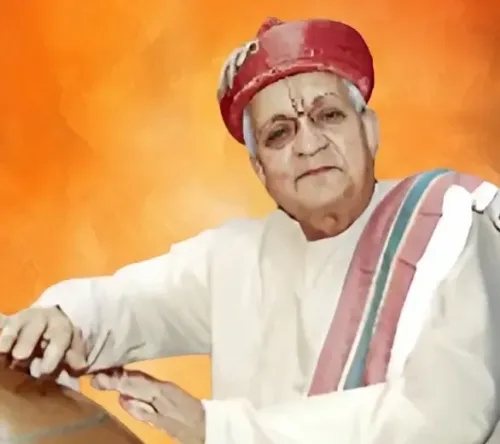
Union Minister Mansukh Mandaviya honoured Padma Shri Meer Haji Kasam, known as Haji Ramkadu, a celebrated dholak master from Junagadh, Gujarat, describing him as a devoted seeker of melody and a pillar of the region's folk music tradition.
Key Takeaways
Union Minister Mansukh Mandaviya posted a tribute on 10 July 2026 to Padma Shri Meer Haji Kasam , also known as Haji Ramkadu .
Kasam is a dholak maestro and folk musician based in Junagadh, Gujarat , honoured with the Padma Shri , India's fourth-highest civilian award.
Mandaviya described him as 'suron ke sadhak aur dholak ke ustad' — a devoted seeker of melody and a master of the dholak.
Junagadh has a deep-rooted tradition of Sufi and folk performing arts in the Saurashtra region of Gujarat.
The tribute is part of a broader pattern of Gujarat-based central ministers using social media to spotlight Padma-recognised regional artists.
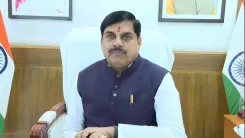
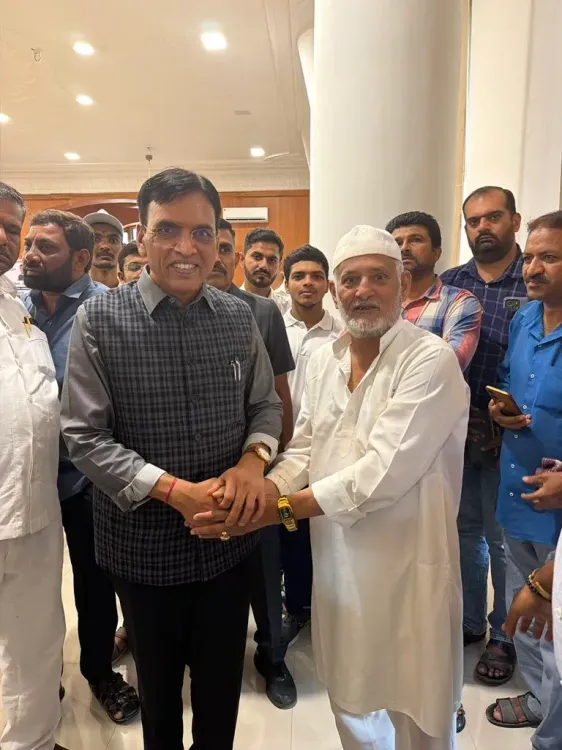
Union Labour and Sports Minister Mansukh Mandaviya on Friday, 10 July 2026, paid tribute to Padma Shri Meer Haji Kasam, popularly known as Haji Ramkadu, honouring the folk musician from Junagadh, Gujarat as a master of the dholak and a devoted seeker of melody.
In his post, Mandaviya described Kasam as 'suron ke sadhak aur dholak ke ustad' — 'a devoted seeker of melody and a master of the dholak' — spotlighting a Padma Shri recipient whose craft is rooted in the folk and Sufi music traditions of the Saurashtra region.
Context
Meer Haji Kasam, widely known by his folk name Haji Ramkadu, is a Junagadh-based percussionist and folk musician honoured with the Padma Shri, India's fourth-highest civilian award, for his distinguished contributions to traditional music. His command over the dholak — a double-headed hand drum central to folk and devotional music across the Indian subcontinent — has made him a celebrated figure in Gujarat's performing arts community.
Junagadh has long been a cradle of Sufi and folk performing arts in Gujarat, with its cultural ecosystem nurturing generations of musicians who have kept oral and instrumental traditions alive outside the formal classical canon.
Policy Backdrop
The Padma Awards, instituted in 1954, have periodically recognised folk musicians, percussionists, and practitioners of intangible cultural heritage from states including Gujarat. The awards serve as the state's formal acknowledgement that regional and folk traditions hold equal standing alongside Hindustani and Carnatic classical forms.
Central ministers from Gujarat have increasingly used social media platforms to amplify the stories of Padma-recognised traditional performers, aligning with broader national efforts to document and sustain regional folk arts that might otherwise remain invisible to mainstream audiences.
Stakeholders and Impact
For Gujarat's folk music community — particularly percussionists and dholak players from the Saurashtra belt — ministerial recognition of this kind carries symbolic weight, lending visibility to an art form that has historically relied on community patronage rather than institutional support. Younger musicians in the region often cite such acknowledgements as motivation to continue in traditional performance disciplines.
Cultural organisations working on the documentation of intangible heritage in western India are also stakeholders, as high-profile tributes can attract funding and archival interest toward performers whose repertoires risk being lost without systematic preservation efforts.
What's Next
Attention will now turn to the Republic Day 2027 Padma Awards cycle, where additional folk musicians from Gujarat and other states may receive recognition. State-level cultural festivals and documentation projects focused on dholak and folk percussion traditions in the Saurashtra region are also expected to gain momentum as the national conversation around intangible heritage preservation continues to grow.
Mandaviya's tribute underscores a pattern of using political platforms to keep regional cultural figures in public discourse — a practice that, if sustained, could translate into more structured state support for Gujarat's folk performing arts ecosystem.
Point of View
Such posts quietly reinforce the government's narrative of honouring India's intangible heritage alongside more prominent classical traditions. The gesture carries political resonance in Saurashtra, a culturally distinct sub-region of Gujarat where folk arts communities form a meaningful voter constituency. Whether such social media recognition translates into sustained institutional support — funding, archival projects, festival platforms — remains the more consequential question.
NationPress
10 Jul 2026
Frequently Asked Questions
Who is Haji Ramkadu and why is he famous?
Haji Ramkadu , whose full name is Meer Haji Kasam , is a folk musician and dholak maestro from Junagadh, Gujarat , honoured with the Padma Shri for his distinguished contributions to traditional and folk music in the Saurashtra region.
What is the Padma Shri award?
The Padma Shri is India's fourth-highest civilian honour , instituted in 1954 and awarded annually by the Government of India for distinguished service in fields including arts, music, literature, and public life.
Why did Mansukh Mandaviya post about Meer Haji Kasam?
Mansukh Mandaviya , Union Minister of Labour and Sports and a senior BJP leader from Gujarat, shared a tribute to Padma Shri Meer Haji Kasam on 10 July 2026 , honouring him as a master of the dholak and a devoted practitioner of folk music from Junagadh.
What is the significance of Junagadh in Gujarat's cultural heritage?
Junagadh is a historic city in the Saurashtra region of Gujarat, known for its rich Sufi and folk performing arts traditions, and has produced several musicians recognised at the national level for preserving intangible cultural heritage.
What is the dholak and why is it important in Indian folk music?
The dholak is a double-headed hand drum widely used in Indian folk, devotional, and celebratory music traditions. It is a foundational instrument in the folk music of Gujarat, Rajasthan, Punjab , and several other states, and its practitioners are considered custodians of living oral and musical heritage.