How Does Himachal’s ‘Choti Kashi’ Celebrate the Historic Mahashivratri Festival?
Synopsis
Join the weeklong celebration of the International Mahashivratri Festival in Mandi, Himachal Pradesh, as it marks 500 years of traditions and cultural heritage. Experience the vibrant processions, divine congregations, and the culinary delights that await visitors in this historic town known as 'Chhoti Kashi'.
Key Takeaways
Mandi is celebrating 500 years of the Mahashivratri Festival.
216 deities are participating in this year's festivities.
Rich cultural heritage and local traditions are on display.
Visitors can explore local cuisine and handcrafted goods.
Significant historical roots trace back to 1527.
Mandi, Feb 16 (NationPress) The renowned International Mahashivratri Festival, lasting seven days, commenced on Monday in the Himachal Pradesh town of Mandi, famously referred to as ‘Chhoti Kashi’, which has celebrated 500 years since its founding.
This year, 216 deities are participating in this weeklong celebration, which began immediately after the festival is observed nationwide.
On the eve of the festival, the Dev Samagam (gathering of deities) commenced with the arrival of Kamrunag, the principal deity of Mandi district. This year’s Shivratri festivities provide a glimpse into Mandi’s rich 500-year history.
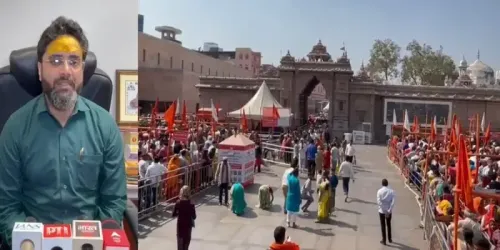
Deputy Commissioner Apoorv Devgan noted the festival's evolution over the years. The origins of the Mahashivratri celebrations trace back to 1527, during the reign of Ajbar Sen (1499-1534), when Mandi was established as the capital of the earlier Mandi state.
The ruler had invited all local deities to commemorate the town's founding. Even after the princely states ceased to exist, the district administration has continued the tradition of inviting deities to the Shivratri celebrations.
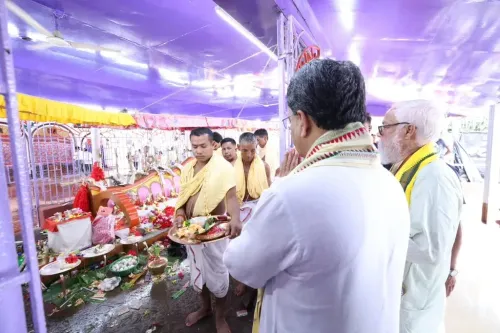
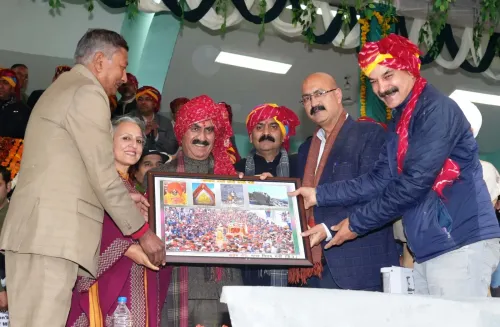
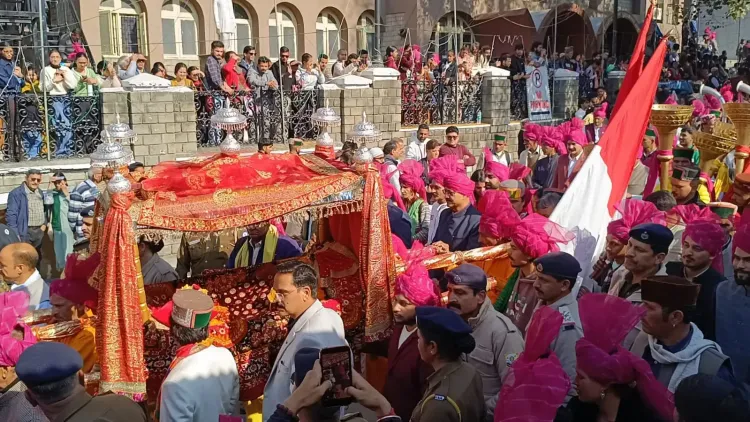
On the festival's opening day, Deputy Chief Minister Mukesh Agnihotri sought blessings from the Kamrunag deity at Tarna Mata Temple. A vibrant procession, accompanied by drums and shehnais, was led by Lord Madho Rai, an incarnation of Lord Vishnu and the chief deity.
The deities followed in beautifully adorned palanquins, adhering to tradition, and later gathered at the Bhutnath temple, dedicated to Lord Shiva, built in 1526.
Three such processions, known locally as 'Jaleb', will occur on the festival's opening, midpoint, and closing days, according to an organizer.
Six evenings of cultural performances featuring only Himachali artists will take place during the festivities.
Deity Kamrunag arrived in the town on Sunday, accompanied by hundreds of devotees in a lively procession.
Mandi, situated along the Chandigarh-Manali National Highway-21, boasts over 80 temples showcasing traditional hill architecture. Notable temples include Bhutnath, Triloki Nath, Jagannath, Tarna Devi, and Jalpa Devi.
The rulers of Mandi were devout followers of Lord Shiva. Legend has it that ruler Ajbar Sen dreamt of a cow offering milk to an image of Lord Shiva. His dream came true when he witnessed the cow offering milk to the idol. Consequently, he constructed the Bhutnath temple in 1526, marking the town's foundation.
The local administration, which organizes the festival, also provides an honorarium to the “kardars” — the deities' attendants — for their participation.
This weeklong celebration draws numerous tourists and researchers from around the globe, also serving as a culinary adventure.
Visitors can indulge in an array of local dishes that reflect the unique flavors of Himalayan cuisine. Additionally, transactions worth lakhs of rupees will take place for hand-knit Kullu and Kinnauri shawls, handicrafts, carpets, handcrafted blankets, intricate pattu-pattis, exquisite wooden crafts, and more, showcasing the region’s rich cultural heritage, along with available dry fruits during the festivities.
(Vishal Gulati can be reached at vishal.g@ians.in)
Point of View
The Mahashivratri Festival in Mandi is not just a religious observance but a celebration of heritage, culture, and community spirit. It symbolizes the resilience of ancient traditions while attracting global attention and tourism, thereby fostering economic growth in the region. The event underscores the importance of preserving cultural legacies in the face of modernization, making it a significant occasion for both local and national pride.
NationPress
26 Sept 2026
Frequently Asked Questions
What is the Mahashivratri Festival?
The Mahashivratri Festival is a significant Hindu celebration dedicated to Lord Shiva, marked by various rituals, processions, and cultural performances.
How long does the Mahashivratri Festival last?
The festival lasts for seven days, featuring numerous activities and events that attract both devotees and tourists.
Where is Mandi located?
Mandi is located in Himachal Pradesh, India, along the Chandigarh-Manali National Highway-21.
What is the significance of the number of deities participating?
This year, 216 deities are participating, showcasing the region's rich religious diversity and cultural heritage.
What can visitors expect during the festival?
Visitors can enjoy cultural performances, local culinary delights, and shopping for handicrafts and traditional items during the festival.