Jitan Ram Manjhi pushes Gujarat-model liquor ban for Bihar
Synopsis
A sitting Union Minister and NDA ally is publicly challenging Bihar's flagship prohibition policy — not to scrap it, but to fix it. Manjhi's repeated Gujarat comparisons, combined with an NCAER finding that lifting the ban could boost state revenue by 14–15%, puts Chief Minister Samrat Choudhary under growing pressure from within his own coalition.
Key Takeaways
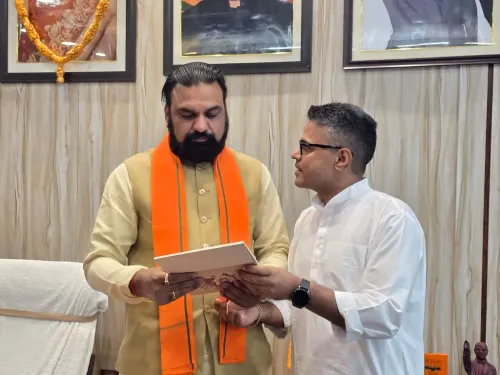
Jitan Ram Manjhi called on Bihar CM Samrat Choudhary on 9 August to adopt a Gujarat-style liquor ban model.
Manjhi alleged the prohibition law is sound but its implementation has led to irregularities and disproportionate action against poor and vulnerable communities .
CM Samrat Choudhary has reaffirmed that Bihar's total liquor ban will remain in force .
An NCAER research paper found lifting the ban could raise Bihar's internal revenue by 14–15 per cent .
The NCAER study also noted that enforcement costs and spending to curb the illicit liquor trade are a significant fiscal burden on the state.
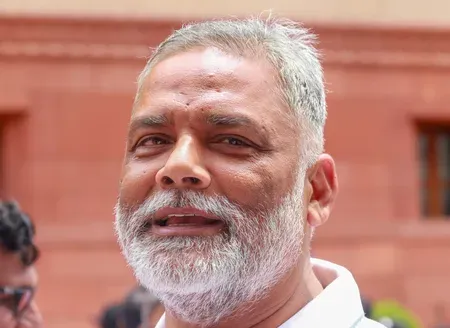
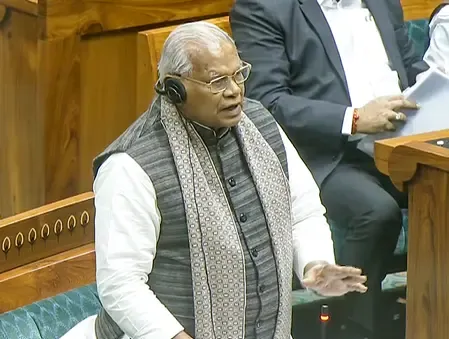
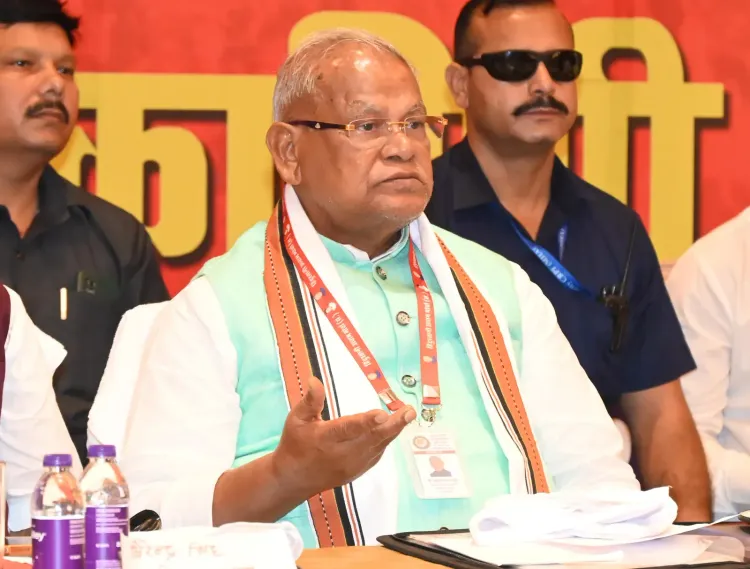
Union Minister and Hindustani Awam Morcha (HAM) patron Jitan Ram Manjhi has once again called on Bihar Chief Minister Samrat Choudhary to overhaul the state's prohibition policy, urging adoption of a Gujarat-style liquor ban model. Manjhi made the remarks on 9 August at a national executive meeting of HAM's youth wing in Patna.
What Manjhi Said
Manjhi maintained that Bihar's alcohol prohibition law is sound in principle, but alleged that its execution at the police and administrative levels has been riddled with irregularities. He said he was using the media to convey his concerns directly to Chief Minister Samrat Choudhary and the Bihar government.
Citing Gujarat — the birthplace of Mahatma Gandhi — as a reference point, Manjhi argued that despite a long-standing liquor ban, residents of Gujarat do not face the same difficulties and frustration that he believes are associated with prohibition in Bihar. He said he has been advocating this model for a considerable period.
Allegations of Unequal Enforcement
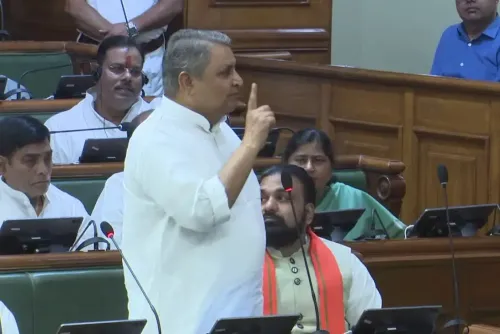
This is not the first time Manjhi has raised these concerns. Despite being a constituent of the National Democratic Alliance (NDA), he has repeatedly alleged that Bihar's prohibition law falls disproportionately on poor and vulnerable communities, while influential individuals are reportedly able to evade enforcement. He has called for more effective monitoring and a more accountable administration to prevent officials from misusing the law.
Government's Position
Chief Minister Samrat Choudhary has, however, made the state's stance unambiguous — Bihar's total liquor ban will remain in force and there is no question of rolling back the prohibition policy.
Economic Scrutiny of Bihar's Prohibition
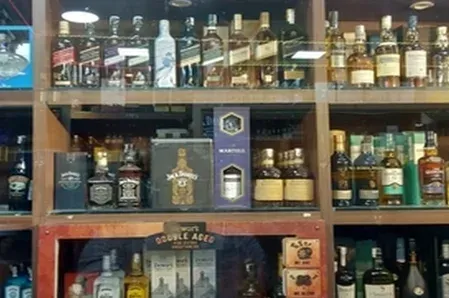
The policy has also attracted independent economic analysis. A research paper by the National Council of Applied Economic Research (NCAER) has questioned whether Bihar's liquor ban has fully achieved its intended social objectives and examined the possible economic consequences of sustaining the policy.
According to the study, lifting prohibition could potentially increase Bihar's internal revenue by approximately 14–15 per cent. The NCAER paper also noted that the government currently incurs substantial expenditure on enforcement and efforts to curb the illicit liquor trade — costs that could potentially decline if the ban were withdrawn.
With the NDA ally's dissent growing louder and independent economic research adding pressure, the future shape of Bihar's prohibition policy is likely to remain a contested political and fiscal question in the months ahead.
Point of View
However, is not straightforward — Gujarat's enforcement apparatus and per-capita income differ substantially from Bihar's, and the model has its own documented gaps. The more consequential signal is the NCAER finding: a 14–15% revenue upside from lifting the ban is a number that will be hard for a fiscally stretched Bihar to ignore indefinitely. The real question is whether this remains a Manjhi solo act or becomes a coalition pressure point ahead of the next state electoral cycle.
NationPress
24 Sept 2026
Frequently Asked Questions
What is Jitan Ram Manjhi's demand regarding Bihar's liquor ban?
Manjhi has urged Bihar Chief Minister Samrat Choudhary to replace the current prohibition model with a Gujarat-style liquor ban, arguing that Gujarat enforces its ban more effectively and without the difficulties seen in Bihar. He has alleged that the existing implementation is irregular and disproportionately targets poor communities.
What is the Gujarat model of liquor prohibition that Manjhi is referring to?
Gujarat has maintained a total liquor ban for decades as the birthplace of Mahatma Gandhi. Manjhi contends that Gujarat's enforcement is more accountable and does not generate the same public frustration associated with Bihar's prohibition, though he has not specified the structural differences he would like Bihar to adopt.
Has Bihar's Chief Minister agreed to change the prohibition policy?
No. Chief Minister Samrat Choudhary has clearly stated that Bihar's total liquor ban will not be withdrawn and the prohibition policy will remain in place.
What does the NCAER study say about Bihar's liquor ban?
A National Council of Applied Economic Research (NCAER) paper has questioned whether Bihar's prohibition has fully met its intended objectives. It found that lifting the ban could potentially increase the state's internal revenue by around 14–15 per cent and reduce current enforcement expenditure tied to combating the illicit liquor trade.
Why is Manjhi's criticism significant given he is part of the NDA?
Manjhi's Hindustani Awam Morcha (HAM) is an NDA constituent, making his repeated public criticism of a flagship Bihar government policy notable. It reflects intra-alliance friction and raises questions about coalition cohesion on a politically sensitive issue.