Bihar liquor ban review: Pappu Yadav backs Manjhi, flags revenue loss
Synopsis
Bihar's prohibition debate is no longer a fringe argument — with government ally Manjhi invoking the Gujarat model and independent MP Pappu Yadav alleging the ban is enriching criminal networks while draining state revenue, the political pressure on Nitish Kumar's flagship policy is mounting from multiple directions at once.
Key Takeaways
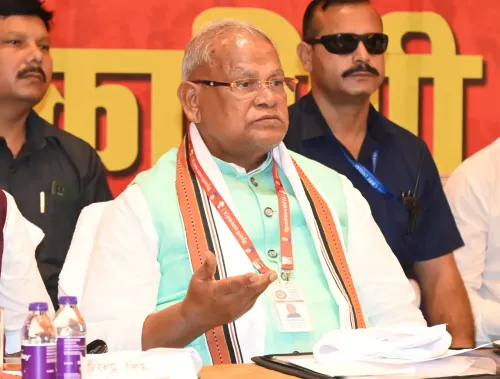
Independent Purnea MP Pappu Yadav backed Jitan Ram Manjhi 's call to review Bihar's liquor ban on 14 August in Patna.
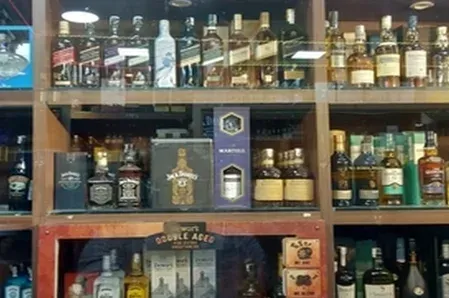
Yadav alleged the ban is costing Bihar revenue while fuelling illegal liquor trade benefiting politicians, officials, and criminal networks.
He proposed stricter curbs near schools and temples but floated different rules for five-star and seven-star hotels .
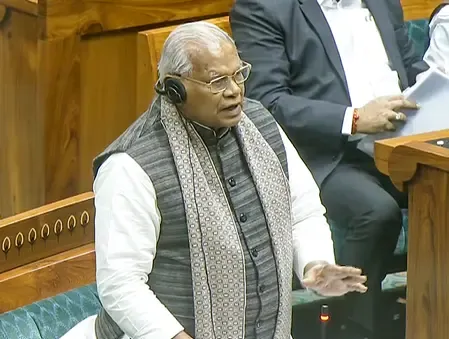
HAM patron Manjhi, a government ally, has advocated strengthening prohibition along the Gujarat model .
The ruling Janata Dal (United) issued a legal notice to the agency behind a survey that recommended reconsidering the ban.
Bihar's prohibition law has been in force since 2016 and remains central to Chief Minister Nitish Kumar 's political identity.
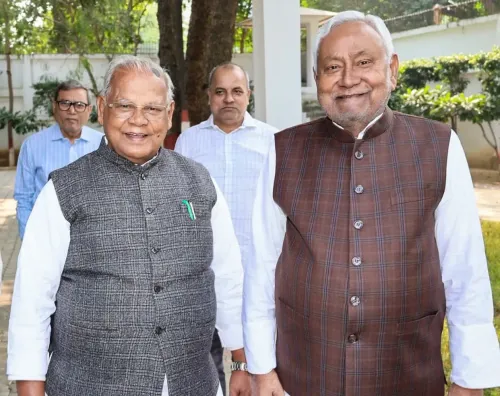
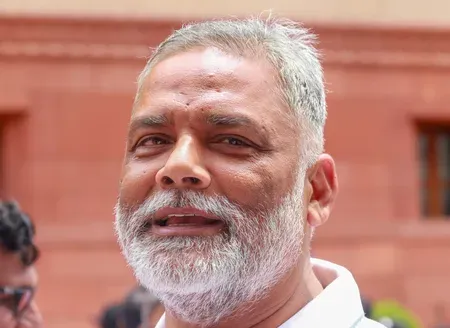
A sharpening political debate over Bihar's prohibition policy has drawn in another prominent voice, with independent Purnea MP Rajesh Ranjan, widely known as Pappu Yadav, backing Hindustani Awam Morcha (HAM) patron Jitan Ram Manjhi's call to rethink the state's liquor ban. The remarks, made in Patna on 14 August after Yadav returned from Delhi, come amid a broader push from several quarters to reassess the prohibition framework that has defined Chief Minister Nitish Kumar's governance for years.
What Pappu Yadav Said
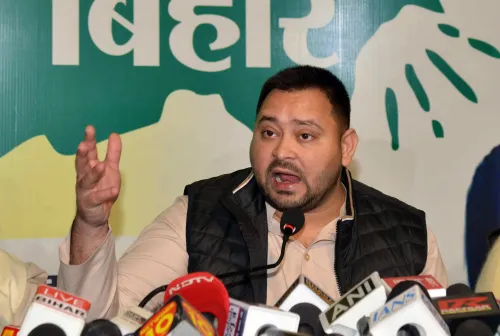
Speaking to reporters, Yadav argued that the government must conduct a comprehensive assessment of the prohibition regime rather than persist with its current form. He proposed that restrictions could remain especially stringent near schools and temples, while separate rules could potentially be considered for five-star and seven-star hotels.
Yadav also raised the economic dimension of the debate, alleging that Bihar is forfeiting substantial revenue under the existing ban, while illegal liquor trade is reportedly channelling money to politicians, officials, and criminal networks. He called for an honest accounting of the policy's gains and losses.
The Manjhi Factor and the Gujarat Model
The debate was further energised by Manjhi, a government ally, who has advocated strengthening prohibition along the lines of the Gujarat model — a reference to the long-standing dry-state framework in Prime Minister Narendra Modi's home state. Manjhi's position is notable because, as a ruling coalition partner, his remarks carry weight within the National Democratic Alliance (NDA) fold in Bihar.
Notably, a recent survey reportedly recommended reconsidering or ending prohibition in Bihar — a finding that triggered a legal notice from the Janata Dal (United) to the agency that conducted it. Yadav, commenting on this, said Nitish Kumar's vision on prohibition deserves respect, but added that laws must be periodically reviewed for effectiveness and unintended consequences.
JD-U's Firm Defence of the Policy
The ruling Janata Dal (United) has continued to defend Bihar's prohibition policy, which has been a centrepiece of Kumar's political identity since the ban was introduced in 2016. The party's decision to serve a legal notice to the survey agency signals its intent to push back against any narrative that could undermine the policy's standing ahead of future electoral cycles.
This is not the first time the prohibition law has faced internal scrutiny — critics have long pointed to the persistence of illicit liquor trade and a series of hooch tragedies as evidence that enforcement remains deeply flawed.
What the Debate Signals
The convergence of voices — Manjhi advocating a Gujarat-style strengthening, Yadav calling for a revised and more nuanced framework, and JD-U firmly defending the status quo — reflects a widening fault line within Bihar's political landscape over a policy that touches public health, state revenue, law enforcement, and electoral optics simultaneously.
With Bihar's political calendar growing more consequential, how the ruling alliance manages this internal pressure will be closely watched in the months ahead.
Point of View
Not a rebuttal — it does nothing to address the documented persistence of illicit liquor trade or the string of hooch deaths that have periodically embarrassed the government. Nitish Kumar built his 'sushasan' brand partly on prohibition; any visible crack in that narrative, especially from within the alliance, is an electoral liability he can ill afford as Bihar's political cycle accelerates.
NationPress
29 Sept 2026
Frequently Asked Questions
Why is Bihar's liquor ban under debate again?
A recent survey reportedly recommended reconsidering or ending Bihar's prohibition policy, reigniting a long-running debate over its effectiveness. The controversy has drawn in government ally Jitan Ram Manjhi and independent MP Pappu Yadav, both calling for a review, even as the ruling JD-U defends the ban.
What did Pappu Yadav propose about the liquor ban?
Pappu Yadav proposed a revised framework that retains strict restrictions near schools and temples but potentially allows different rules for five-star and seven-star hotels. He also called for a full accounting of the ban's revenue impact and its role in sustaining illegal liquor networks.
What is Jitan Ram Manjhi's position on prohibition?
Manjhi, the HAM patron and a Bihar government ally, has advocated strengthening prohibition along the lines of the Gujarat model rather than scrapping the ban. His remarks carry significance because HAM is part of the ruling NDA coalition in Bihar.
How has the JD-U responded to calls for reviewing the ban?
The Janata Dal (United) has continued to defend the prohibition policy and reportedly served a legal notice to the agency that conducted the survey recommending a review. The party views the ban as central to Chief Minister Nitish Kumar's governance record.
When was Bihar's liquor ban introduced?
Bihar's prohibition law came into force in 2016 under Chief Minister Nitish Kumar. It has since been a defining element of his political identity, though enforcement challenges and incidents of illicit liquor trade have drawn recurring criticism.