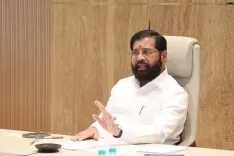
CM Bhagwant Mann Hands Licences to 2,800 New Depot Holders in Punjab
Synopsis
Chief Minister Bhagwant Mann handed licences to 2,800 new depot holders in Punjab on 19 July 2026, the Chief Minister's Office announced. The event drew public appreciation for the AAP government's excise reform decisions, building on the transparent e-lottery licensing framework introduced since 2022.
Key Takeaways
2,800 new depot holders received excise licences from CM Bhagwant Mann on 19 July 2026 .
The licencing event was publicly appreciated as a public-interest decision by the Punjab government , per the official CMO post.
The allotment builds on the Punjab Excise Policy 2022 , which introduced an e-lottery system to ensure transparent distribution of licences.
The Punjab Excise Department oversees regulation of alcohol production, wholesale, and retail across the state.
Fresh depot allotments are expected to boost state excise revenue and expand the regulated supply network.
Revenue outcomes and potential legal challenges to the allotment process will be key developments to monitor in coming months.
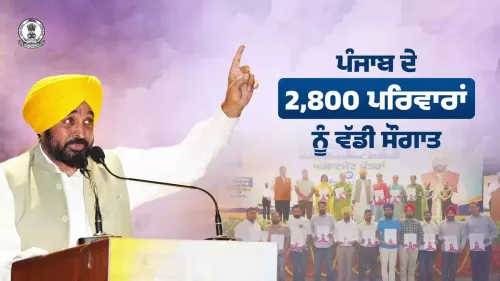
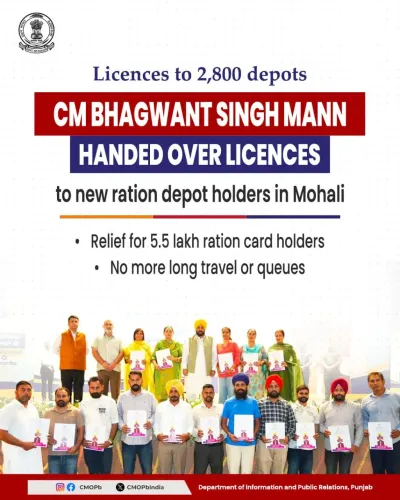
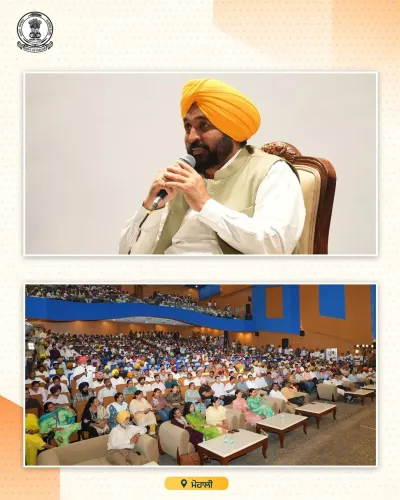
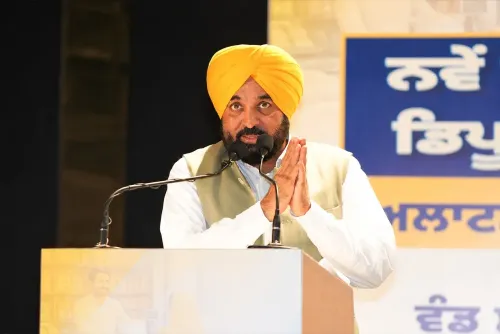
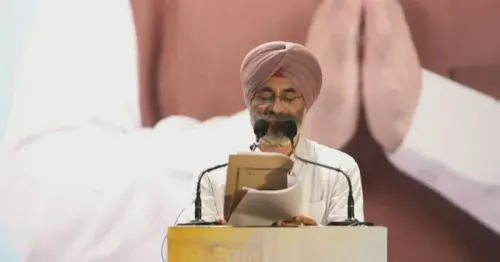
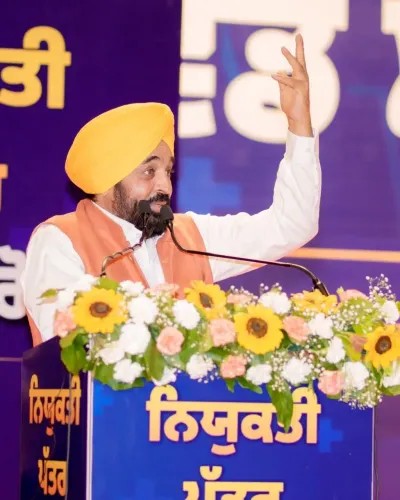
The Chief Minister's Office of Punjab announced on Sunday, 19 July 2026 that Chief Minister Bhagwant Mann personally handed over licences to 2,800 new depot holders (ਡਿੱਪੂ ਹੋਲਡਰ), marking a significant round of fresh allotments under the state's excise licensing framework. The event was accompanied by public appreciation for decisions taken by the Punjab government in the public interest, according to the official post.
Context
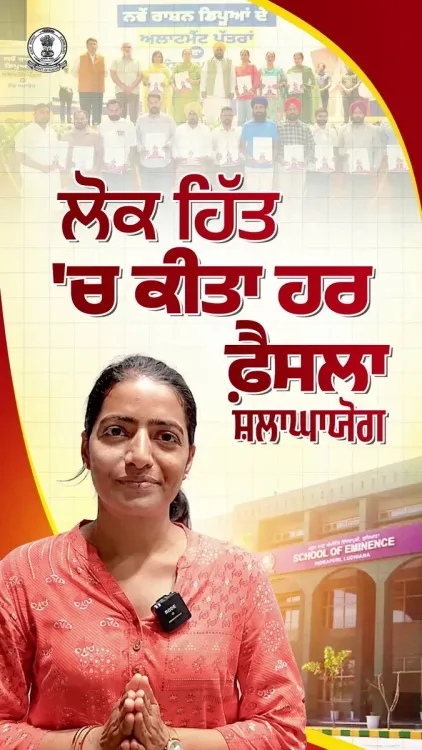
The post, shared by the official CMO Punjab account, states that licences were distributed to 2,800 new depot holders by CM Bhagwant Mann during a formal ceremony. Attendees at the event expressed appreciation for the Punjab government's public-interest decisions, the post noted. The Punjabi text reads: 'ਪੰਜਾਬ ਸਰਕਾਰ ਵੱਲੋਂ ਲੋਕ ਹਿੱਤ ਵਿੱਚ ਕੀਤੇ ਹਰ ਫ਼ੈਸਲੇ ਦੀ ਲੋਕਾਂ ਵੱਲੋਂ ਸ਼ਲਾਘਾ ਕੀਤੀ ਗਈ' — 'every decision taken by the Punjab government in the public interest was appreciated by the people.'
Policy Backdrop
The Aam Aadmi Party government, which came to power in March 2022 under Bhagwant Mann, introduced the Punjab Excise Policy 2022 to overhaul the previous licensing regime. A key feature of the new framework was the introduction of an e-lottery-based system aimed at replacing opaque allotment processes and curbing alleged cartelisation in the liquor trade. The Punjab Excise Department, which regulates alcohol production, wholesale, and retail across the state, oversees these periodic licensing rounds.
Indian state governments regularly allot fresh excise licences for wholesale depots and retail vends to regulate the alcohol trade, collect revenue, and generate limited employment. Punjab has seen repeated policy adjustments since 2022, with the government seeking to increase excise receipts while ensuring a more transparent distribution of licences.
Stakeholders and Impact
The primary beneficiaries of this round are the 2,800 newly licenced depot holders, who now gain legal authorisation to operate wholesale liquor depots under state oversight. Existing liquor traders and distributors operating in Punjab will also be affected, as a larger pool of licensed operators reshapes competition and supply dynamics in the market. The state exchequer stands to benefit through increased licence fees and downstream excise revenue from the expanded network of depots.
For consumers and the broader public, a more regulated and expanded depot network is intended to improve supply-chain oversight and reduce illicit trade — a stated objective of the AAP government's excise reform agenda.
What's Next
Attention will now turn to the operational rollout of the 2,800 new depots and the revenue figures they generate for the state in the coming months. Any legal challenges to the allotment process — a pattern seen in previous excise licensing rounds across Indian states — will be closely watched. The Punjab Excise Department is expected to publish compliance and revenue data as the new licensees begin operations.
Point of View
800 depot licences in a single ceremony is a visible governance moment for the AAP government in Punjab, allowing it to project both administrative scale and public outreach ahead of the political cycle. The emphasis on public appreciation in the official communication signals an effort to frame excise reform as a pro-people measure rather than a revenue exercise. This fits a broader AAP pattern of presenting regulatory actions — particularly in excise — as transparency wins, a narrative that carries political weight given the controversies surrounding excise policies in other AAP-governed states. The real test will be whether the expanded depot network delivers measurable gains in state revenue and supply-chain discipline.
NationPress
19 Oct 2026
Frequently Asked Questions
What did CM Bhagwant Mann do with the 2,800 depot licences in Punjab?
CM Bhagwant Mann personally handed over excise licences to 2,800 new depot holders at a formal ceremony on 19 July 2026 , as announced by the official Chief Minister's Office of Punjab.
What is a depot holder in Punjab excise?
A depot holder ( ਡਿੱਪੂ ਹੋਲਡਰ ) is a licensed operator authorised by the Punjab Excise Department to run a wholesale liquor depot, forming a key link in the state's regulated alcohol supply chain.
What is the Punjab Excise Policy 2022?
The Punjab Excise Policy 2022 was introduced by the AAP government under Bhagwant Mann to replace the earlier licensing regime with a more transparent e-lottery-based system aimed at curbing cartelisation and increasing government revenue.
How does Punjab allot new excise licences?
Punjab uses an e-lottery system under its Excise Policy 2022 to allot licences for wholesale depots and retail vends, a mechanism designed to make the process transparent and reduce scope for favouritism.
What is the significance of 2,800 new depot licences for Punjab?
The allotment of 2,800 new depot licences expands the regulated alcohol distribution network in Punjab , potentially increasing excise revenue for the state while creating livelihood opportunities for new licensees.