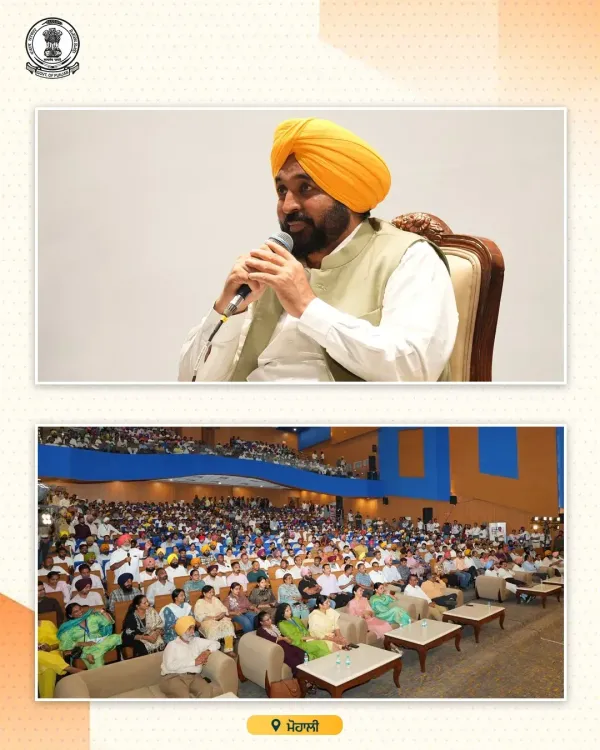
CM Mann hands allotment letters to 2,800 ration depot holders in Mohali
Synopsis
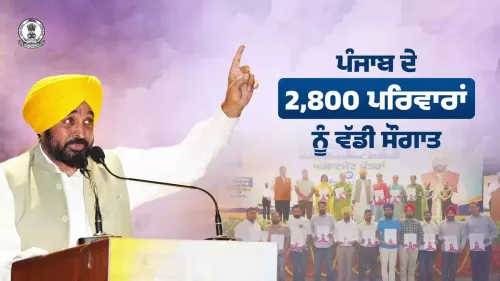
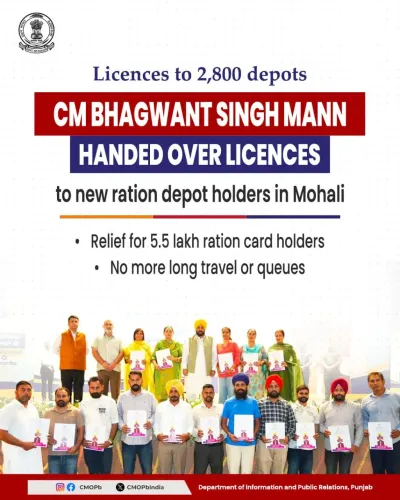
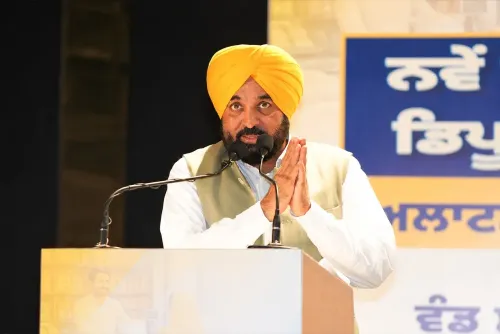
Chief Minister Bhagwant Singh Mann distributed allotment letters to 2,800 newly appointed ration depot holders at a special ceremony in Mohali on 16 July 2026, advancing Punjab's drive to strengthen and clean up its Public Distribution System under the AAP government.
Key Takeaways
2,800 new ration depot holders received formal allotment letters from CM Bhagwant Singh Mann at a special event in Mohali on 16 July 2026 .
The ceremony was organised by the Punjab Government and hosted in SAS Nagar (Mohali) district.
The move is part of the AAP government's phased effort, begun after its March 2022 election victory, to appoint vetted fair-price shop operators and reduce PDS leakages.
India's Public Distribution System operates under the National Food Security Act, 2013 , which mandates subsidised food grain delivery to eligible households.
CM Mann also briefed citizens at the event on the Punjab Government's broader welfare initiatives .
Operational audits of the newly activated depots and possible integration with other state welfare schemes are expected next.
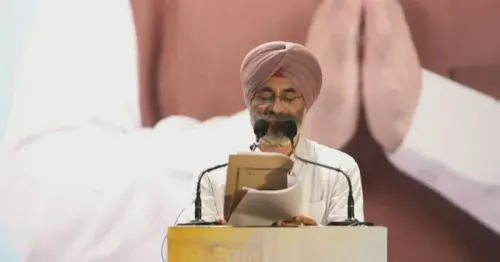
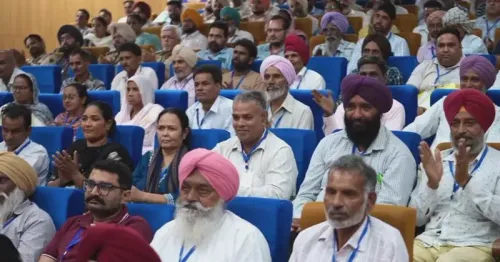
Chief Minister Bhagwant Singh Mann handed over allotment letters to 2,800 newly appointed ration depot holders at a special event in Mohali on Thursday, 16 July 2026, the Chief Minister's Office of Punjab announced. The ceremony, held in SAS Nagar district, also served as a platform for the Chief Minister to brief citizens on the state government's ongoing welfare initiatives.
Context
The allotment event marks a significant step in Punjab's effort to strengthen its Public Distribution System (PDS) network. Mann handed the letters to the new depot holders — referred to in Punjabi as ਰਾਸ਼ਨ ਡਿੱਪੂ ਹੋਲਡਰ (ration depot holders) — signalling a fresh cohort of fair-price shop operators who will serve beneficiaries across the state. The Chief Minister also 'apprised citizens of the various initiatives undertaken by the Punjab Government,' according to the official post.
Mohali, a planned city adjacent to Chandigarh, was chosen as the venue for the centralised ceremony, bringing together recipients from across Punjab's districts.
Policy Backdrop
India's PDS operates under the National Food Security Act, 2013, which mandates subsidised food grain delivery to eligible households through a network of fair-price shops. States periodically appoint, replace, or expand their pool of depot operators to improve last-mile delivery and reduce diversion of subsidised grains.
Since the Aam Aadmi Party (AAP) government came to power in Punjab in March 2022, the administration has undertaken a phased exercise to appoint new fair-price-shop licensees as part of its broader push to curb leakages in the PDS. The Mohali event represents a continuation of that reform drive rather than an entirely new policy departure.
Stakeholders and Impact
The 2,800 newly allotted depot holders will directly manage the distribution of subsidised food grains to PDS beneficiary households in their respective areas. For these operators, the allotment letter is a formal licence to run a fair-price shop — a livelihood opportunity as well as a public-service responsibility.
For end consumers — particularly low-income families dependent on subsidised rations — the appointment of new, vetted depot holders is intended to translate into more reliable and transparent grain distribution. Welfare advocates have long argued that the quality of depot management is the single biggest variable in whether PDS entitlements actually reach beneficiaries.
What's Next
Attention will now turn to operational audits of the 2,800 newly activated depots and whether the state follows up with digital monitoring or integration into other welfare schemes. The Punjab government may reference this expansion in the next state assembly session as evidence of PDS reform progress.
Any further scale-up of the depot network, or linkage with schemes such as direct benefit transfers or the Atta-Dal scheme, will be closely watched by welfare economists and opposition legislators alike as a measure of whether the administrative reform yields tangible improvements for beneficiaries on the ground.
Point of View
800 allotment letters in a single public event lets the AAP government demonstrate visible, tangible welfare delivery ahead of future electoral cycles. The PDS reform fits a pattern common to state governments seeking to signal anti-corruption credentials: replacing inherited depot operators with a fresh, ostensibly merit-based cohort. Whether the reform delivers measurable reductions in grain diversion will depend on follow-through monitoring, which has historically been the weak link in PDS overhauls across Indian states. The broader national context — Centre's push for digitised, Aadhaar-linked PDS — means Punjab's moves will be benchmarked against comparable reforms in other AAP-governed and non-AAP states.
NationPress
15 Oct 2026
Frequently Asked Questions
What happened at the Mohali ration depot event on 16 July 2026?
Chief Minister Bhagwant Singh Mann handed allotment letters to 2,800 newly appointed ration depot holders at a special ceremony in Mohali, and also briefed citizens on Punjab Government initiatives.
What is a ration depot holder in Punjab?
A ration depot holder is a licensed operator of a fair-price shop under India's Public Distribution System, responsible for distributing subsidised food grains to eligible beneficiary households in their area.
Why is Punjab appointing new ration depot holders?
The AAP government in Punjab has been conducting a phased exercise since 2022 to appoint vetted fair-price shop licensees, aiming to reduce leakages and improve last-mile delivery of subsidised grains under the National Food Security Act.
How many ration depot allotment letters did CM Mann distribute?
CM Bhagwant Singh Mann distributed allotment letters to 2,800 newly appointed ration depot holders at the Mohali event.
What is the Public Distribution System (PDS) in India?
The Public Distribution System is India's nationwide network of fair-price shops that supply subsidised food grains — primarily wheat and rice — to eligible low-income households under the National Food Security Act, 2013.