CM Bhagwant Mann Greets Sikhs on Miri-Piri Divas
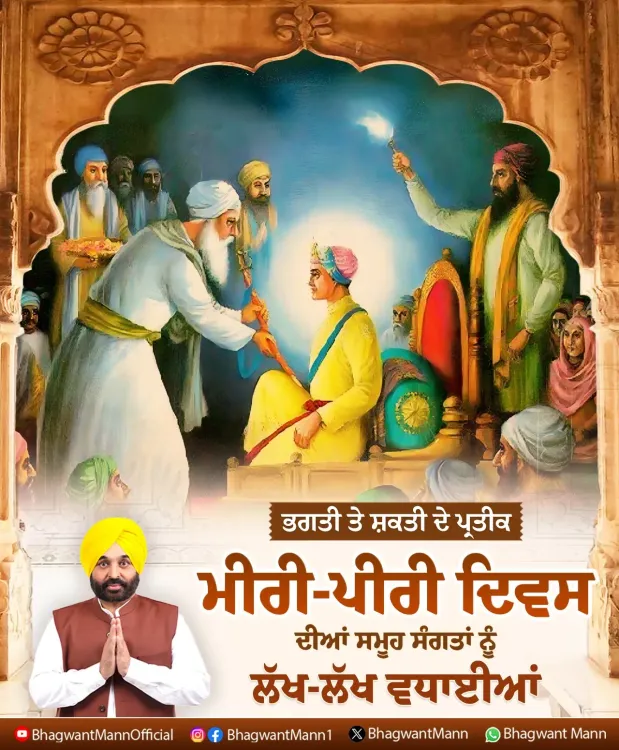
Synopsis
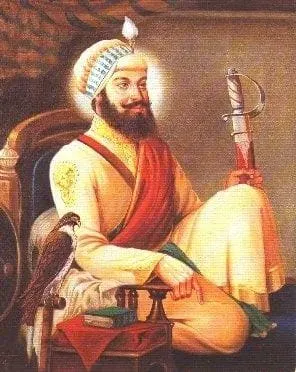
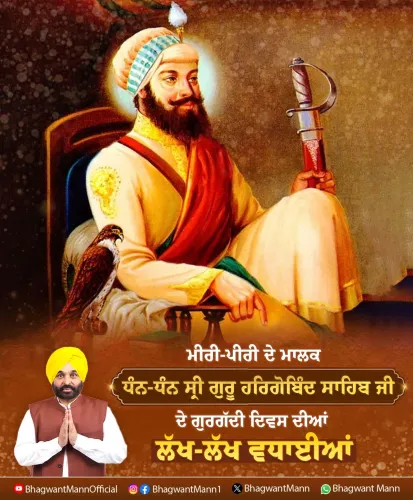
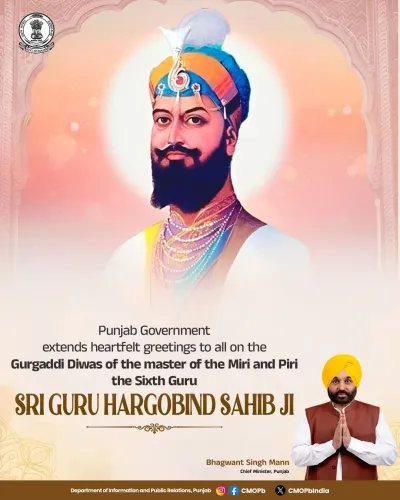
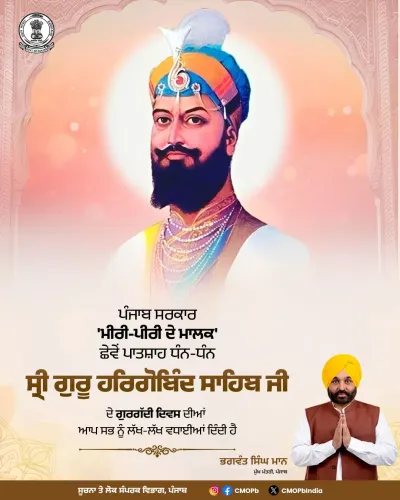
Punjab Chief Minister Bhagwant Mann marked Miri-Piri Divas on 24 July 2026 by greeting Sikh congregations worldwide, honouring the Sixth Guru Hargobind's centuries-old doctrine uniting spiritual and temporal authority as a guiding light for the Sikh community.
Key Takeaways
Bhagwant Mann extended greetings on Miri-Piri Divas to Sikh Sangats in India and abroad on 24 July 2026 .
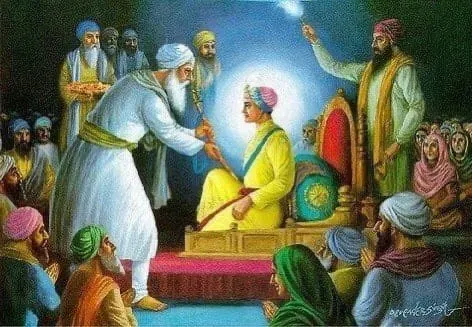
The Miri-Piri doctrine was introduced by Guru Hargobind , the Sixth Sikh Guru, in 1606 after his release from Gwalior Fort .
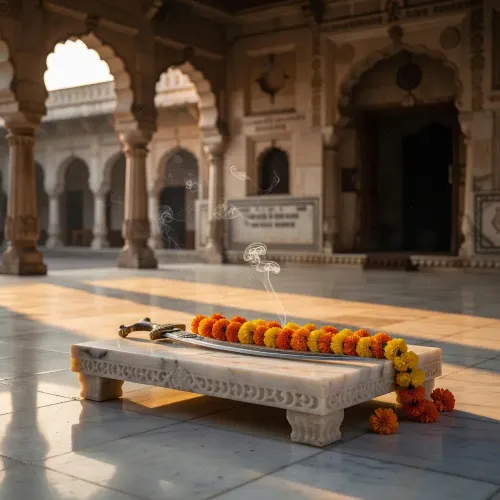
The principle symbolises the union of temporal power ( Miri ) and spiritual sovereignty ( Piri ), represented by two swords.
Akal Takht in Amritsar was established by Guru Hargobind to institutionalise this doctrine alongside Harmandir Sahib .
The message reflects Punjab leaders' tradition of publicly acknowledging Sikh historical commemorations for domestic and diaspora audiences.
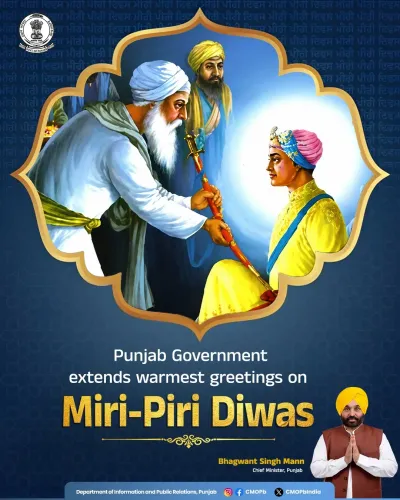
Punjab Chief Minister Bhagwant Mann extended greetings to Sikh congregations across India and abroad on the occasion of Miri-Piri Divas on Friday, 24 July 2026, invoking the doctrine's enduring relevance as a guiding principle for the Sikh community.
Context
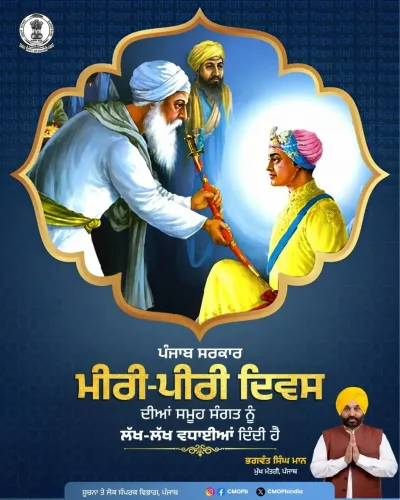
Posting in Punjabi on X, Mann wrote: 'ਭਗਤੀ ਤੇ ਸ਼ਕਤੀ ਦੇ ਪ੍ਰਤੀਕ ਮੀਰੀ-ਪੀਰੀ ਦਿਵਸ' — 'Miri-Piri Divas, the symbol of devotion and power' — extending 'heartfelt congratulations to all Sangats residing in India and abroad.' He added that the principle bestowed by the Sixth Patshah (Sixth Guru) 'will always guide our nation.'
The message addresses Sikh congregations globally, reflecting the diaspora's deep connection to foundational Sikh doctrines observed on this annual occasion.
Policy Backdrop
The Miri-Piri doctrine was introduced by Guru Hargobind, the Sixth Sikh Guru, in 1606 following his release from Gwalior Fort. The principle embodies the union of temporal authority (Miri) and spiritual sovereignty (Piri), symbolised by two swords worn simultaneously by the Guru.
To institutionalise this doctrine, Guru Hargobind established Akal Takht alongside Harmandir Sahib in Amritsar, creating a seat of temporal power to complement the spiritual centre. The concept has since remained a cornerstone of Sikh identity, self-governance, and community resilience across more than four centuries.
Stakeholders and Impact
The message is directed at the Sikh Sangat — congregations of Sikhs spread across Punjab, the rest of India, and a substantial global diaspora concentrated in countries including Canada, the United Kingdom, and the United States. Annual observances such as Miri-Piri Divas hold strong cultural resonance for this community.
Punjab political figures have a long-standing tradition of issuing public statements on Sikh historical commemorations, reinforcing community identity and the state government's engagement with Sikh heritage. Mann's message continues this pattern, reaching both domestic audiences and the diaspora through social media.
What's Next
Such commemorative messages typically form part of a broader calendar of state-level acknowledgements of Sikh Guru anniversaries and historical milestones throughout the year. Observers will watch for any state-supported events or programmes in Punjab marking Sikh observances in the months ahead.
The Miri-Piri doctrine's emphasis on the balance of faith and civic responsibility continues to be invoked in contemporary discussions of Sikh community identity, making annual tributes from Punjab's leadership a politically and culturally significant gesture.
Point of View
One that Mann's Aam Aadmi Party has adopted with the same consistency as its predecessors. The message's reach across social media to global Sikh congregations underscores how digital platforms have expanded the audience — and the stakes — of what were once purely ceremonial gestures.
NationPress
23 Oct 2026
Frequently Asked Questions
What is Miri-Piri Divas?
Miri-Piri Divas is an annual Sikh observance commemorating the doctrine of temporal and spiritual authority introduced by Guru Hargobind, the Sixth Sikh Guru, in 1606. It is symbolised by two swords representing worldly power (Miri) and divine sovereignty (Piri).
Who introduced the Miri-Piri principle?
Guru Hargobind, the Sixth Sikh Guru, introduced the Miri-Piri principle in 1606 following his release from Gwalior Fort. He established Akal Takht in Amritsar to serve as the seat of temporal authority alongside the spiritual centre of Harmandir Sahib.
What did Bhagwant Mann say on Miri-Piri Divas 2026?
Punjab Chief Minister Bhagwant Mann greeted all Sikh Sangats in India and abroad, calling Miri-Piri Divas a symbol of devotion and power, and said the principle bestowed by the Sixth Patshah will always guide the Sikh community.
What is the significance of Akal Takht in relation to Miri-Piri?
Akal Takht in Amritsar was established by Guru Hargobind to institutionalise the Miri-Piri doctrine, serving as the seat of temporal authority for the Sikh community, complementing the spiritual significance of Harmandir Sahib.
Why do Punjab leaders mark Sikh observances publicly?
Punjab's political leaders regularly issue public statements on Sikh historical commemorations to engage with community identity, address the large Sikh population in the state, and connect with the global Sikh diaspora. It is a long-standing tradition across political parties governing the state.