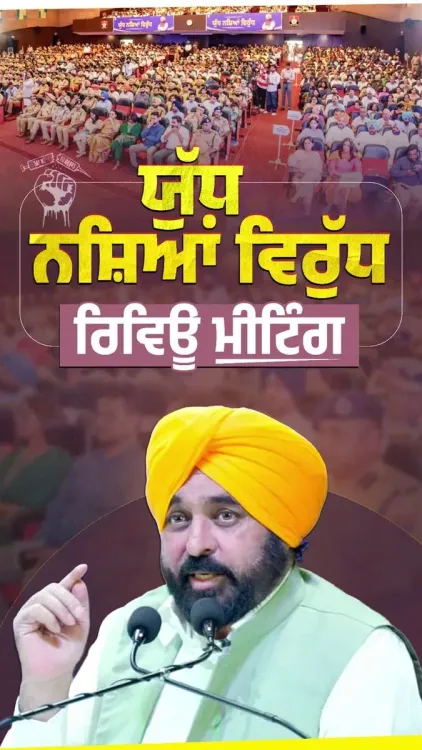
CM Bhagwant Mann Holds Anti-Drug Review in Phillaur, Clears 117 Vehicles
Synopsis
Punjab Chief Minister Bhagwant Mann chaired an anti-narcotics review meeting at Phillaur on October 16, 2026, approving 117 new vehicles for police sub-divisions and issuing clear orders to dismantle drug supply chains — part of the AAP government's sustained enforcement push since 2022.
Key Takeaways
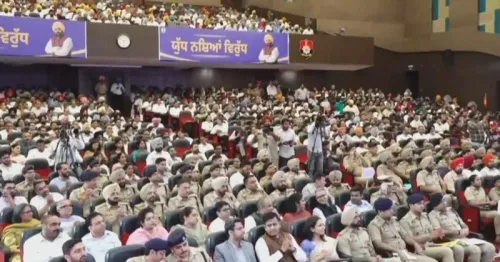
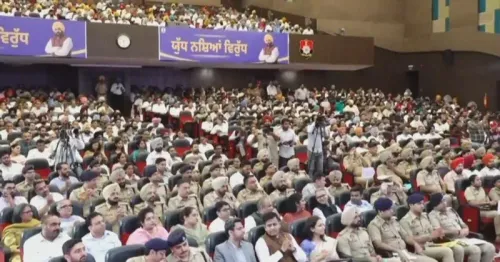
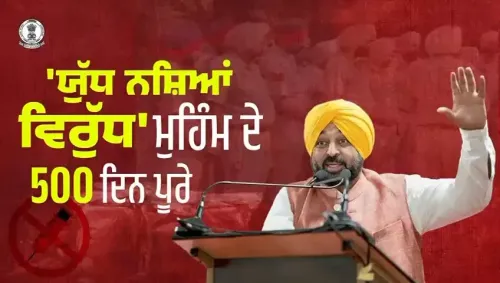
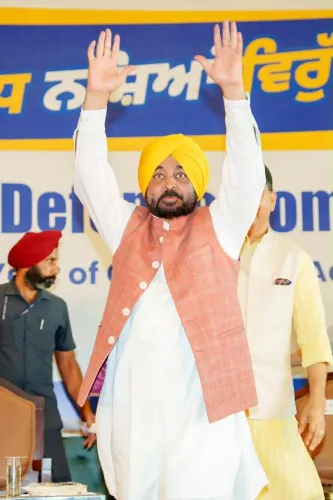
CM Bhagwant Mann held a high-level anti-drug review meeting at Phillaur, Jalandhar district on October 16, 2026 .
Police were given explicit instructions to 'work freely' to break the drug supply chain in Punjab.
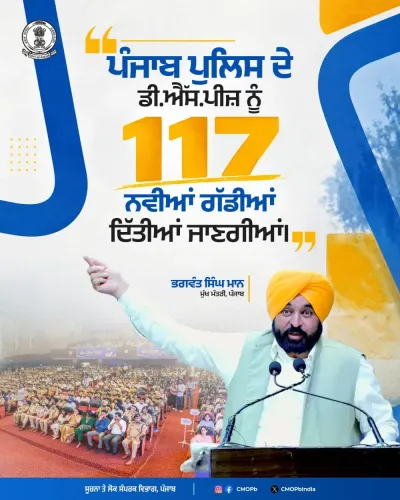
117 new vehicles were approved for police sub-divisions to strengthen ground-level enforcement mobility.
Phillaur hosts the Punjab Police Academy , lending institutional weight to the venue choice.
The AAP government has run a rolling anti-narcotics campaign since taking office in 2022 , combining task forces, district reviews, and public cooperation drives.
Mann renewed a public commitment to 'uproot' the drug scourge and make Punjab 'colourful and vibrant again.'
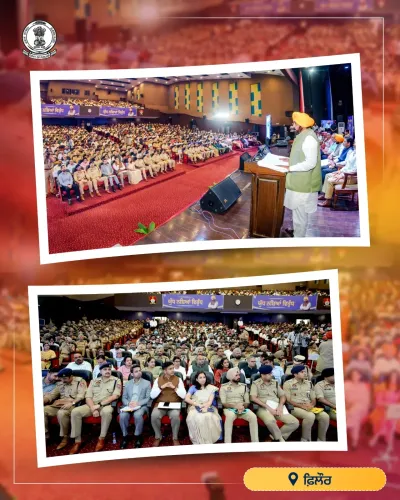
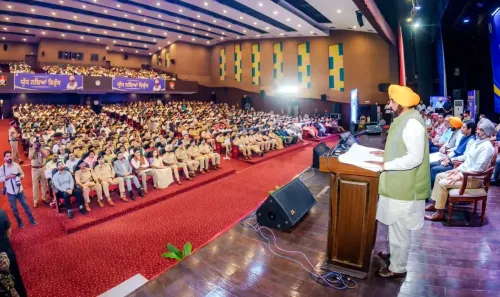
The fight against Punjab's most stubborn crisis moved into a new gear on Friday, October 16, 2026, when Punjab Chief Minister Bhagwant Mann chaired a high-level anti-narcotics review meeting at Phillaur in Jalandhar district — and walked out having cleared a concrete operational upgrade: 117 new vehicles for police sub-divisions across the state.
Posting in Punjabi on X, Mann described the session as an 'aham review meeting' (important review meeting) and confirmed that police had been given clear, unambiguous instructions to 'work freely' to break the drug supply chain. His words — 'ਇਸ ਕੋਹੜ ਨੂੰ ਜੜ੍ਹੋਂ ਪੁੱਟ ਕੇ ਪੰਜਾਬ ਨੂੰ ਮੁੜ ਰੰਗਲਾ ਬਣਾਉਣਾ' — translate to uprooting this 'leprosy' from its very roots to make Punjab 'colourful and vibrant again', a phrase that captures the emotional register the government has long attached to the drug crisis.
Why Phillaur, and What the 117 Vehicles Signal
Phillaur is no incidental venue. The town houses the Punjab Police Academy, making it the symbolic and institutional nerve-centre for police capacity-building in the state. Holding a narcotics review here underscores that the Chief Minister is framing this as a systemic, institution-building effort — not a one-off crackdown.
The approval of 117 new vehicles for sub-divisions is the headline operational decision. Sub-divisions are the first tier of policing on the ground, and mobility constraints have historically hampered rapid response to drug trafficking at the village and tehsil level. Putting vehicles at that tier — rather than at district headquarters — signals a deliberate push to bring enforcement closer to where supply chains actually operate.
Four Years of Anti-Drug Drives: The Pattern Behind the Push
Since the Aam Aadmi Party government took office in 2022, Punjab has run a rolling anti-narcotics campaign combining special task forces, district-level reviews, and public outreach. The approach has been consistent: pair resource allocation for police with repeated public appeals for community cooperation, exactly the combination Mann invoked again on Friday.
Punjab's drug problem predates this government by decades. Successive administrations have each launched enforcement drives; the state's position bordering international trafficking corridors and its deep-rooted addiction crisis among the youth have made durable progress elusive. What the current government has added is regularity of review — using meetings like the one in Phillaur to sustain administrative pressure on the machinery rather than letting enforcement momentum dissipate after initial announcements.
Mann's Public Pledge and the Road He Is Framing
The Chief Minister's closing line in his post was a public recommitment: 'We are always committed to uprooting this scourge from its roots and making Punjab vibrant again with the cooperation of the people.' The language of people's cooperation is deliberate political framing — it signals that the government sees community vigilance and tip-offs as essential force-multipliers alongside police action.
The real test will come in the months ahead, when the 117 vehicles reach sub-divisions and operational data begins to show whether ground-level seizures and arrests track upward. Punjab's youth are watching — and so is a state that has spent years waiting for a convincing answer to its drug crisis.
Point of View
Rather than district headquarters, suggests the government has identified local mobility as a genuine operational gap, not just a headline number. The persistent recourse to 'people's cooperation' language also reflects a political calculation: it spreads accountability and keeps civil society engaged in what is, ultimately, a generational problem no single government can solve alone. The real measure of this review will be whether seizure data at the sub-division level moves visibly in the next quarter.
NationPress
17 Oct 2026
Frequently Asked Questions
What decisions were taken at Bhagwant Mann's Phillaur anti-drug meeting?
At the October 16, 2026 meeting in Phillaur, CM Bhagwant Mann approved 117 new vehicles for police sub-divisions and issued clear directives to Punjab Police to work without restraint in dismantling drug supply chains.
Why was the anti-drug review meeting held in Phillaur?
Phillaur in Jalandhar district houses the Punjab Police Academy, making it a symbolically and institutionally significant venue for police-related review meetings.
What is the AAP government's anti-drug policy in Punjab?
Since taking office in 2022, the Aam Aadmi Party government in Punjab has pursued a sustained anti-narcotics drive involving special task forces, regular district-level reviews, resource allocation to police, and public appeals for community cooperation.
How long has Punjab had a drug problem?
Punjab's drug addiction and trafficking crisis spans several decades and multiple state governments. The state's proximity to international trafficking corridors and high rates of youth addiction have made it one of India's most persistent narcotics challenges.
What will the 117 new police vehicles be used for in Punjab?
The 117 vehicles are approved for police sub-divisions — the ground-level tier of policing — to improve mobility for anti-narcotics enforcement at the village and tehsil level, where drug supply chains actually operate.