Mallesh, Notorious Maoist Leader, Surrenders in Chhattisgarh

Synopsis
In a pivotal moment for Chhattisgarh's battle against extremism, Mallesh, a key Maoist figure, has surrendered at a BSF camp, signaling a potential shift in the region's security landscape. His decision, influenced by community support, highlights the ongoing efforts to reintegrate former militants into society.
Key Takeaways
Mallesh has surrendered at a BSF camp in Kanker, Chhattisgarh.
He was wanted with a bounty of Rs eight lakh .
The surrender indicates a growing trust between locals and security forces.
Rehabilitation programs are encouraging former militants to reintegrate into society.
This event is a significant setback for the Maoist insurgency.
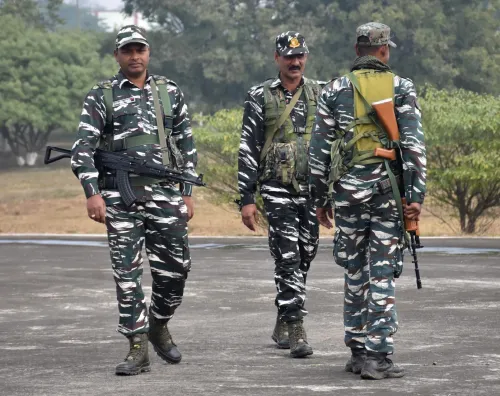
Raipur/Kanker, Feb 25 (NationPress) In a major turn of events in Chhattisgarh's persistent fight against Left Wing Extremism, Mallesh, a Divisional Committee Member (DVCM) of a Maoist faction, has officially surrendered at a Border Security Force (BSF) facility located in the insurgency-affected Kanker district.
He was wanted with a bounty of Rs eight lakh on his head.
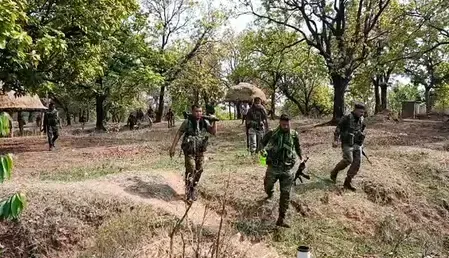
Surrendering late on Tuesday night in the isolated Chhotebethiya region, Mallesh, an influential player in the Maoist movement, approached the BSF camp armed and declared his decision to abandon violence for good, according to officials.
Local police sources report that he formally disarmed and expressed a desire to reintegrate into society, symbolizing a personal shift away from years of militant activity.
Community members, including villagers and local activists, played a crucial role in this surrender. They reportedly provided counsel to Mallesh, emphasizing the advantages of the state government's rehabilitation initiatives, and accompanied him to the camp to facilitate a seamless transition.
This involvement highlights the increasing trust between the local populace and security forces in the remote areas of the Bastar division, where ongoing outreach efforts have motivated disillusioned militants to leave the insurgent ranks.
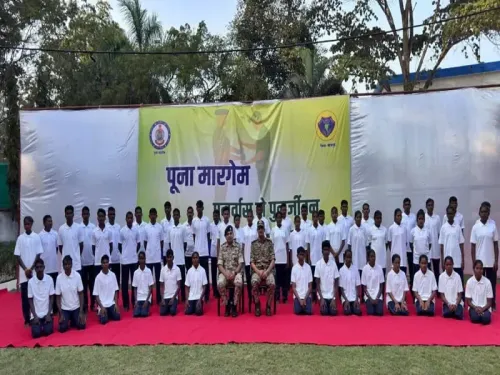
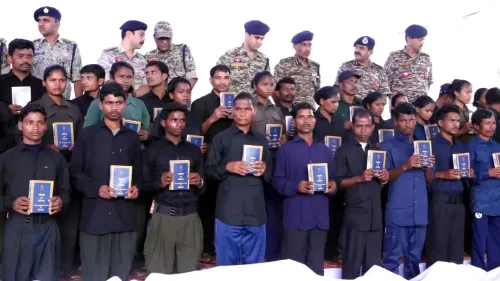
Recently, Chhattisgarh has experienced a notable rise in surrenders, with hundreds of Maoist members and their affiliates laying down their arms through programs like 'Poona Margem' (New Dawn). This initiative offers financial support, housing, land distribution, skills training, and job opportunities to help former militants rebuild their lives.
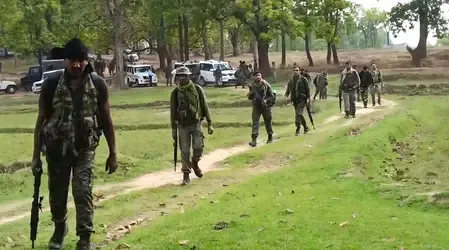
Authorities attribute the weakening of the Maoist network in regions such as Kanker, Sukma, Bijapur, and Narayanpur to extensive security operations combined with development initiatives and community engagement.
Mallesh's surrender serves as a significant boost for security forces and represents a setback to the organizational framework of insurgent groups operating in the area. Although Maoists often operate as a subset linked to a larger Maoist ideology, such high-profile defections undermine their recruitment and operational strength.
Point of View
The surrender of Mallesh marks a critical turning point in the ongoing conflict with Maoist insurgents. It reflects not only the effectiveness of rehabilitation programs but also the growing collaboration between local communities and authorities. This event could inspire further defections and enhance public safety in Chhattisgarh.
NationPress
22 Sept 2026
Frequently Asked Questions
What led to Mallesh's surrender?
Mallesh surrendered after receiving support from local villagers and activists who highlighted the benefits of state rehabilitation programs.
What is the significance of Mallesh's surrender?
His surrender is seen as a morale boost for security forces and a significant blow to the operational capacity of Maoist groups in the region.
What rehabilitation initiatives are available for former militants?
Programs like 'Poona Margem' offer financial aid, housing, land allotments, skill training, and job opportunities to help reintegrate former insurgents.
How has the local community reacted to this development?
The local community has shown increasing trust in security forces, aiding in Mallesh's surrender and promoting peace in the region.
What impact does this have on the Maoist movement in Chhattisgarh?
High-profile defections like Mallesh's weaken the Maoist movement's recruitment and operational strength in the area.