TMC-CPI(M) tie-up a 'marriage of convenience', says Bengal CM Adhikari
Synopsis
West Bengal CM Suvendu Adhikari has labelled the emerging TMC-CPI(M) rapprochement a 'marriage of convenience' — a sharp jab at two arch-rivals who once defined the state's political fault lines. With BJP claiming 208 seats to TMC's 80, and Adhikari dismissing Banerjee's SIR voter-deletion claims, the state's post-election political battle is entering a new, increasingly combative phase.
Key Takeaways
West Bengal CM Suvendu Adhikari on 27 September 2026 called the TMC-CPI(M) understanding a 'marriage of convenience' .
The rapprochement is linked to the CEC Gyanesh Kumar issue and alleged ECI differences over the Special Intensive Revision (SIR) .
Adhikari refuted Mamata Banerjee's claim that the SIR led to deletion of over 27 lakh genuine voters in West Bengal.
BJP claimed 208 seats in West Bengal; TMC was reduced to 80 seats , according to Adhikari.
Adhikari said Banerjee's rally at Serampore Court Maidan, Hooghly drew only 150 party supporters against 170 police personnel .
Adhikari alleged Banerjee has 'lost the name and symbol' of the party she founded.
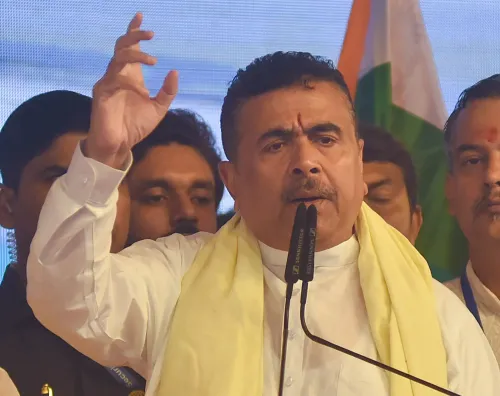
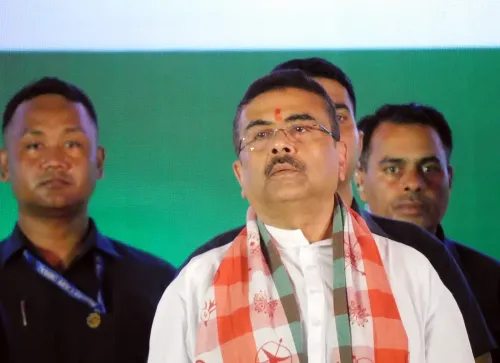
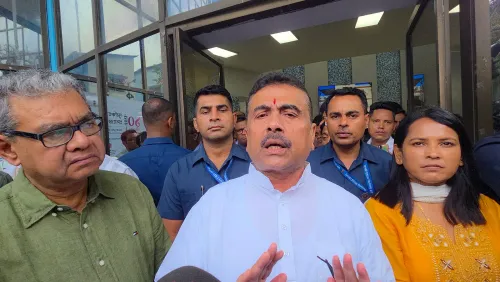
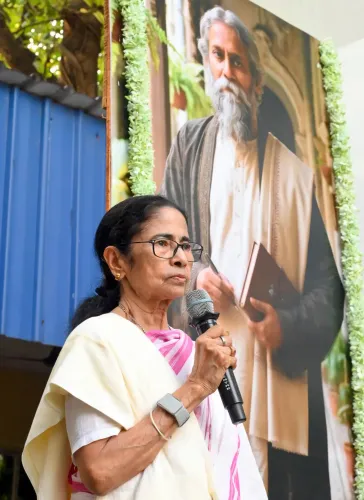
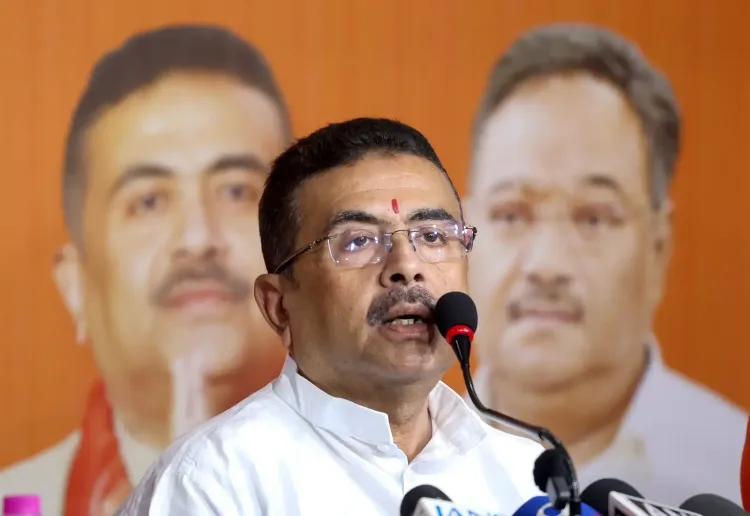
West Bengal Chief Minister Suvendu Adhikari on Sunday, 27 September 2026, indirectly dismissed the emerging national-level understanding between the All India Trinamool Congress (TMC) and the Communist Party of India (Marxist) [CPI(M)] as a 'marriage of convenience', amid speculation over the two parties finding common ground on the Chief Election Commissioner (CEC) Gyanesh Kumar issue. His remarks followed a reported exchange of communiques between former West Bengal Chief Minister Mamata Banerjee and CPI(M) general secretary M.A. Baby over alleged differences within the Election Commission of India (ECI) on the Special Intensive Revision (SIR).
Adhikari's Charge Against the TMC-CPI(M) Rapprochement
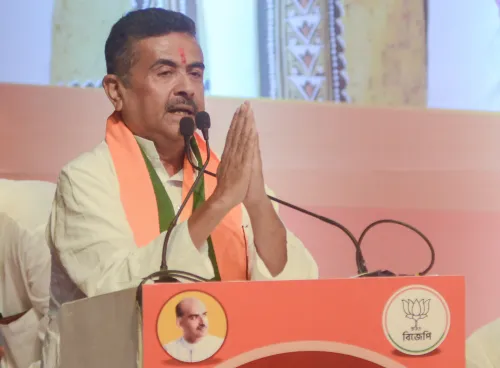
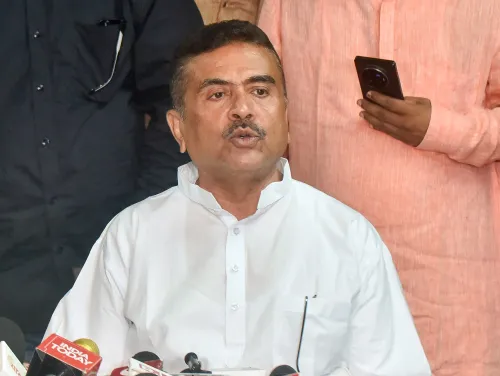
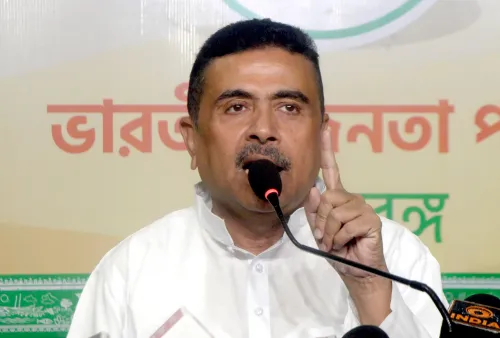
Addressing the media, Adhikari was pointed in his criticism of what he called a politically motivated alignment. 'The exchange of communiques between Baby and Mamata Banerjee was clearly intended to reach a political understanding. Once, the people of West Bengal brought Trinamool Congress to power in the state to remove CPI(M). And now the Trinamool Congress and CPI(M) have become friends,' he said.
The Chief Minister argued that the newfound proximity between the two erstwhile bitter rivals — whose political rivalry defined West Bengal politics for decades — was driven not by ideology but by survival. 'All this is being done only to keep them relevant. But even after all this, she will not be able to turn around in the state,' he said, referring to Banerjee.
SIR Row and the Voter Deletion Dispute
Adhikari also pushed back against Banerjee's claim that the SIR process resulted in the deletion of over 27 lakh genuine voters in West Bengal. He argued that the TMC was attempting to use the electoral revision exercise as a post-hoc justification for its losses.
'Now she is putting the blame for her defeat on the BJP, ECI and the SIR. But the reality is that she approached the Supreme Court against the SIR. The judicial officers were appointed following the order of the Supreme Court. These judicial officials took decisions,' he said. The remark signals that the Bharatiya Janata Party (BJP) intends to frame the SIR controversy as a legal process that the TMC itself engaged with through the courts.
BJP's West Bengal Tally and the Symbol Row
Adhikari also invoked the recent election results to reinforce the BJP's position. 'In West Bengal, we won 208 seats. Trinamool Congress got reduced to just 80. Mamata Banerjee is not able to accept the verdict of the people. Now she has lost the name and symbol of the party founded by her,' he said, in an apparent reference to a legal or organisational dispute over the TMC's party identity.
Notably, the claim about the TMC losing its 'name and symbol' — if verified — would represent a significant development in West Bengal's political landscape, as such outcomes are typically adjudicated by the Election Commission of India.
Mamata's Serampore Rally: Turnout Under Scrutiny
Adhikari also took aim at the reported turnout at Banerjee's rally at Serampore Court Maidan in Hooghly district on the previous day. 'She took to the field on the SIR issue at the virtually deserted Serampore Court Maidan. There were 150 party supporters and 170 police personnel. The rest were media persons,' he said.
He added: 'She should understand that trying to deny the mandate given by the people is actually disrespecting the democratic verdict.' The remarks are likely to sharpen the political war of words in the state as both sides gear up for future electoral battles.
What This Signals for National Opposition Politics
The TMC-CPI(M) conversation — however informal — is being watched closely by political observers, given that both parties have historically been opposed to each other in West Bengal but may see merit in coordinating at the national level against the BJP and on electoral commission-related disputes. This comes amid a broader debate over the independence and functioning of constitutional bodies including the ECI. Whether the two parties formalise any understanding, or keep it issue-based, will shape opposition dynamics heading into future state and national elections.
Point of View
Undermining both parties simultaneously. The irony is real: TMC was built on dismantling the CPI(M)'s three-decade grip on Bengal. Any formal or informal understanding between them is a gift to the BJP's narrative in the state. However, Adhikari's dismissal of the SIR voter-deletion concerns deserves scrutiny; the Supreme Court's involvement indicates the issue carries legal weight beyond political point-scoring. The seat count — 208 for BJP versus 80 for TMC — if accurate, represents a dramatic realignment, and the claim about TMC losing its 'name and symbol' warrants independent verification from the ECI.
NationPress
27 Sept 2026
Frequently Asked Questions
What did Bengal CM Suvendu Adhikari mean by 'marriage of convenience'?
Adhikari used the phrase to describe the emerging political understanding between Trinamool Congress and CPI(M) over the Chief Election Commissioner and SIR issues, arguing the two former rivals are aligning purely to stay politically relevant rather than on any shared ideology.
What is the Special Intensive Revision (SIR) controversy in West Bengal?
The SIR is an electoral roll revision exercise conducted by the Election Commission of India. Mamata Banerjee has alleged that the SIR resulted in the deletion of over 27 lakh genuine voters in West Bengal. Adhikari countered that Banerjee herself had approached the Supreme Court over the SIR, and that judicial officers appointed by the court's order took the final decisions.
How many seats did BJP and TMC win in the recent West Bengal election?
According to CM Adhikari, the BJP won 208 seats while the Trinamool Congress was reduced to 80 seats in West Bengal. These figures were cited by Adhikari to argue that the SIR could not be blamed for the TMC's losses.
What happened at Mamata Banerjee's Serampore rally?
Banerjee held a rally at Serampore Court Maidan in Hooghly district on Saturday to protest the SIR issue. CM Adhikari claimed the rally was poorly attended, with only 150 party supporters present compared to 170 police personnel, and the rest being media persons.
Why are TMC and CPI(M) finding common ground despite being historical rivals?
The two parties, historically bitter rivals in West Bengal, reportedly exchanged communiques over the CEC Gyanesh Kumar issue and ECI's handling of the Special Intensive Revision. Observers suggest this reflects a national-level tactical convergence against the BJP rather than any ideological alignment, a dynamic Adhikari has publicly described as politically motivated.