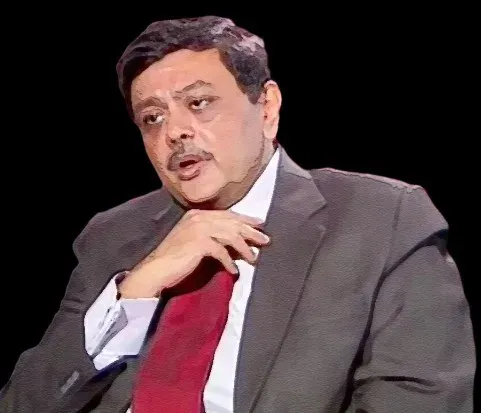
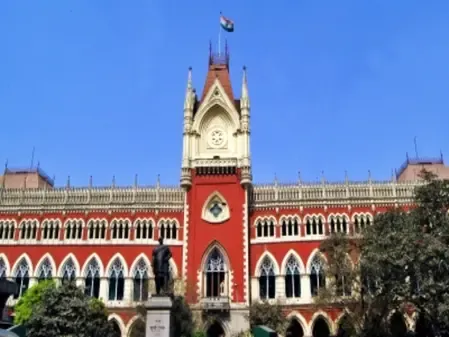
Meghalaya Bar associations demand removal of Advocate General Amit Kumar
Synopsis
Over 400 advocates in Shillong voted to sever ties with Meghalaya's Advocate General Amit Kumar and demand his removal — triggered by his alleged High Court submission that Bar associations had failed to protect women lawyers. The move adds a sharp institutional dimension to an already sensitive suo motu case involving the public parading of an advocate by a youth group.
Key Takeaways
The High Court of Meghalaya Bar Association and the Shillong Bar Association have removed Advocate General Amit Kumar from their rolls and demanded his removal from the constitutional post.
The decision was taken at a joint Extraordinary General Body Meeting attended by more than 400 advocates .
The dispute centres on Kumar's alleged submission before the Meghalaya High Court that Bar associations had failed to ensure the safety of women lawyers.
The underlying suo motu case concerns the alleged public assault and parading of an advocate by members of the Hynniewtrep National Youth Front (HNYF) ; four HNYF members were arrested on 3 August .
The Meghalaya High Court has separately flagged concerns over the safety of women advocates and interns, looping in the State Bar Council and Bar Council of India .
The suo motu case is next scheduled for hearing on 19 August ; the removal demand now rests with the Meghalaya government .
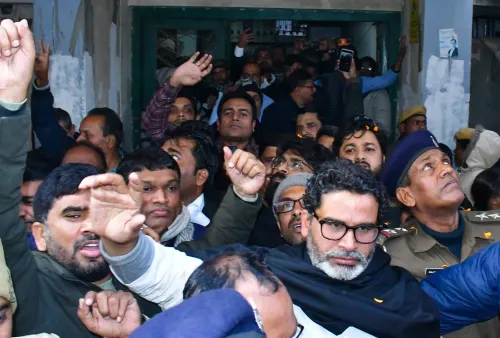
Two of Meghalaya's most prominent Bar associations have formally severed ties with Advocate General Amit Kumar and are demanding his removal from the constitutional post, escalating a dispute that has gripped the state's legal fraternity. The decision was taken at a joint Extraordinary General Body Meeting attended by more than 400 advocates in Shillong, officials said on Friday, 14 August.
What Triggered the Standoff
The flashpoint was an alleged submission made by Kumar before the Meghalaya High Court during proceedings in a suo motu case concerning the alleged public assault and parading of an advocate through the streets of Shillong. Kumar reportedly told the court that the Bar associations had failed to adequately ensure the safety of women lawyers and provide them with a secure working environment.
The High Court of Meghalaya Bar Association and the Shillong Bar Association objected strongly to what they described as sweeping allegations against the legal fraternity. After seeking an explanation from Kumar — whose response reportedly failed to resolve the disagreement — the two bodies removed him from their rolls and resolved that their members would no longer recognise him as Advocate General.
The Underlying Incident
The suo motu proceedings stem from an incident in which an advocate was allegedly dragged from his chamber and publicly paraded through Shillong by members of the Hynniewtrep National Youth Front (HNYF). The lawyer had earlier faced allegations of molesting an intern. Following the assault, the two Bar associations approached Chief Justice Revati Mohite Dere, alleging that authorities had failed to prevent the public humiliation.
A Bench of Chief Justice Dere and Justice W Diengdoh, at the 31 July hearing, observed that police appeared to have been present at the scene but failed to intervene. The court was subsequently informed on 3 August that four HNYF members had been arrested in connection with the incident.
High Court's Parallel Inquiry
Beyond the assault, the Meghalaya High Court has separately examined concerns regarding the safety and dignity of women advocates and young interns within the legal ecosystem. The State Bar Council and the Bar Council of India have been brought into the proceedings and directed to address the issue.
Notably, this case has drawn attention to a broader question about institutional responsibility — whether Bar associations, the state, or both bear primary accountability for the safety of legal professionals and interns.
What Happens Next
The suo motu case is next listed for hearing on 19 August. The demand for Kumar's removal now formally rests with the Meghalaya government, which has not yet publicly responded to the associations' resolution. How the state chooses to act — or abstain — will determine whether this dispute deepens further into a constitutional standoff between the executive and the legal fraternity.
Point of View
Framing the associations as partly responsible for the unsafe environment for women lawyers, may have been legally relevant to the court's inquiry, but they landed as an institutional provocation. The deeper issue the Meghalaya High Court is probing — whether Bar associations, police, and the state share accountability for the safety of advocates and interns — is a question that courts across India have increasingly been forced to take up. The government's silence on the removal demand is itself a signal: acting against the AG risks alienating the court; not acting risks a prolonged standoff with the bar.
NationPress
28 Sept 2026
Frequently Asked Questions
Why are Meghalaya Bar associations demanding the removal of Advocate General Amit Kumar?
The two associations — the High Court of Meghalaya Bar Association and the Shillong Bar Association — are demanding Kumar's removal over his alleged submission before the Meghalaya High Court that Bar associations had failed to ensure the safety of women lawyers. They considered the remarks sweeping and damaging to the legal fraternity, and after his response to their explanation request reportedly failed to satisfy them, they voted to sever ties and urge the state government to remove him.
What is the suo motu case before the Meghalaya High Court?
The suo motu case concerns the alleged public assault and parading of an advocate through Shillong by members of the Hynniewtrep National Youth Front (HNYF). The advocate had earlier faced allegations of molesting an intern. The High Court took up the matter on its own motion after the Bar associations approached Chief Justice Revati Mohite Dere alleging that authorities failed to prevent the public humiliation.
Have any arrests been made in the Shillong advocate assault case?
Yes. The Meghalaya High Court was informed on 3 August that four HNYF members had been arrested in connection with the incident. The court had earlier observed that police appeared to have been present at the scene but failed to intervene.
What is the current status of the case and when is the next hearing?
The suo motu case is next listed for hearing on 19 August. Separately, the State Bar Council and Bar Council of India have been brought into proceedings to address concerns about the safety of women advocates and interns. The Meghalaya government has not yet publicly responded to the demand for Kumar's removal.
Who has the authority to remove the Advocate General of Meghalaya?
The Advocate General is a constitutional post appointed by the Governor on the advice of the state government. Removal effectively rests with the Meghalaya government, which has not yet indicated how it will respond to the Bar associations' resolution.