Meghalaya bamboo carbon project launches to restore land, lift rural incomes
Synopsis
Meghalaya has quietly entered the global carbon economy — not through industrial offsets, but by putting indigenous bamboo forests and customary clan lands at the centre of a Verra-certified carbon project. If it scales, it could become the northeast's most consequential climate-finance experiment, with rural communities as direct beneficiaries.
Key Takeaways
The Meghalaya government launched the Bamboo Centric Afforestation (Verra-ARR) Carbon Project on 15 August with a plantation drive in the Khasi and Garo Hills .
The project is implemented by Compliance Kart Private Limited with MBMA and technical support from MBDA .
Six indigenous bamboo species are targeted, including Dendrocalamus hamiltonii and Melocanna baccifera .
Carbon credits will be independently verifiable under the Verra standard, with a share of benefits flowing to local farmers and communities.
Much of Meghalaya's land is governed by customary systems involving Khasi and Garo clans , Dorbar Shnongs , and Nokmas — making community integration central to the project's design.
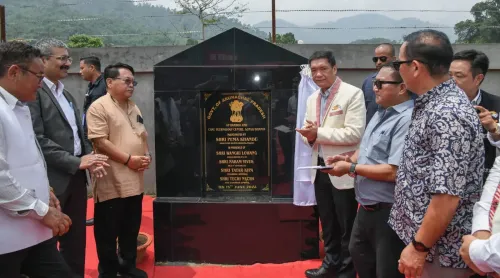
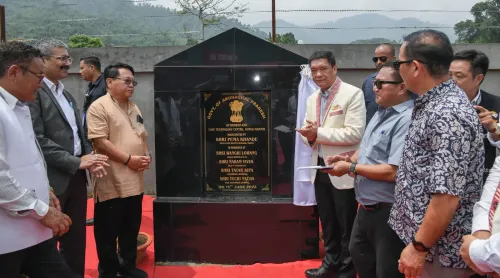
The Meghalaya government has launched the Bamboo Centric Afforestation (Verra-ARR) Carbon Project, a first-of-its-kind initiative in the state aimed at restoring degraded land, boosting carbon sequestration, and generating verifiable carbon credits that will channel economic benefits directly to local farming communities. The ground-level rollout began with a plantation drive on 15 August, attended by government representatives, project partners, and local participants.
Key Developments
MLA and Advisor to the Meghalaya government Ampareen Lyngdoh and Umroi MLA Damanbait Lamare were present at the launch event. The project is being implemented by Compliance Kart Private Limited in collaboration with the Meghalaya Basin Management Authority (MBMA), with the Meghalaya Basin Development Authority (MBDA) serving as technical co-proponent.
Where and What It Covers
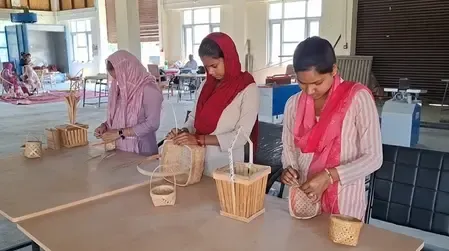
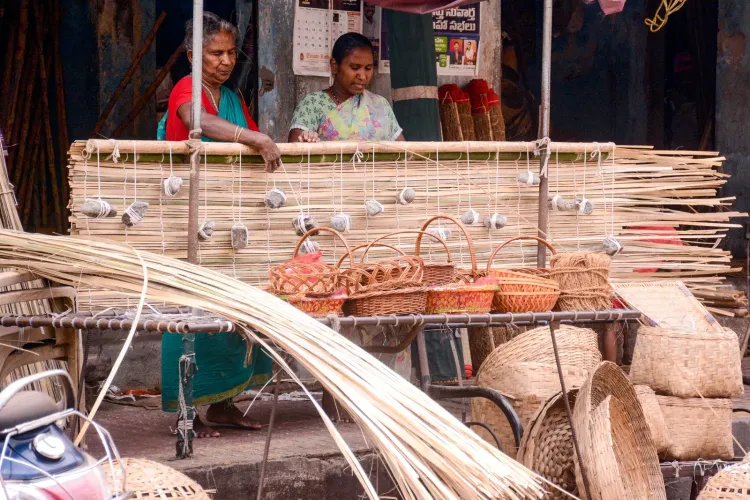
The initiative targets degraded community and privately owned lands across the Khasi Hills and Garo Hills — regions where bamboo has historically been central to both local ecology and the rural economy. Rather than relying on fresh plantations alone, the project will combine enrichment planting and assisted natural regeneration to revive degraded mixed native-bamboo forests.
Several indigenous bamboo species have been identified for the programme, including Dendrocalamus hamiltonii, Bambusa pallida, Bambusa tulda, Bambusa jaintiana, Bambusa balcooa, and Melocanna baccifera. The goal is to increase bamboo stocking density and strengthen the capacity of restored landscapes to absorb and store carbon over the long term.
Carbon Credits and Community Benefits
The resulting carbon credits are expected to be independently verifiable under the Verra standard, with a portion of the economic benefits proposed to flow to farmers and communities managing the land. This assumes added significance given that much of Meghalaya's land is governed through customary ownership systems involving Khasi and Garo clans, Dorbar Shnongs, Nokmas, and private landholders — communities that have historically been outside mainstream carbon market frameworks.
Broader Significance
This comes amid growing global interest in nature-based carbon solutions, with voluntary and compliance carbon markets expanding rapidly. Notably, Meghalaya's customary land tenure model presents both a challenge and an opportunity: while it complicates standardised certification, it also means communities retain direct ownership over the ecological assets being monetised.
If implemented at scale, the project could position Meghalaya as a model for integrating indigenous land stewardship with climate finance, while creating a replicable template for other northeastern states with similar ecological and tenure profiles. Officials said the plantation drive marks only the beginning of what is envisioned as a long-term ecological and economic intervention.
Point of View
But the real test is whether benefit-sharing reaches individual farmers and clan communities rather than being absorbed at the intermediary level. Northeastern states have seen ecological projects that promised community dividends but delivered them unevenly. The project's long-term value will be determined not by the plantation drive, but by the transparency of carbon credit revenue distribution — something officials have not yet detailed publicly.
NationPress
15 Aug 2026
Frequently Asked Questions
What is the Meghalaya Bamboo Centric Afforestation Carbon Project?
It is a state government-backed initiative that plants and regenerates indigenous bamboo on degraded community and private lands across the Khasi and Garo Hills, generating verifiable carbon credits under the Verra standard. A portion of the carbon credit revenues is proposed to flow directly to the farmers and communities managing the land.
Who is implementing the bamboo carbon project in Meghalaya?
The project is being implemented by Compliance Kart Private Limited in collaboration with the Meghalaya Basin Management Authority (MBMA). The Meghalaya Basin Development Authority (MBDA) is providing technical support as co-proponent.
Which bamboo species are being used in the project?
Six indigenous bamboo species have been identified: Dendrocalamus hamiltonii, Bambusa pallida, Bambusa tulda, Bambusa jaintiana, Bambusa balcooa, and Melocanna baccifera. These species are native to the region and suited to the ecological conditions of the Khasi and Garo Hills.
How will local communities benefit from the carbon credits?
A portion of the economic benefits from the independently verifiable carbon credits is proposed to flow to farmers and communities managing the land. Given that much of Meghalaya's land is governed through customary ownership by Khasi and Garo clans, Dorbar Shnongs, and Nokmas, the project is designed to integrate these traditional landholders into the carbon economy.
Why does Meghalaya's customary land tenure matter for this project?
Most carbon certification frameworks are designed for government or corporate-owned land. In Meghalaya, a significant share of forest and degraded land is held under customary clan ownership, making standard certification complex. The project's attempt to work within this tenure structure could make it a replicable model for other northeastern states with similar land governance systems.