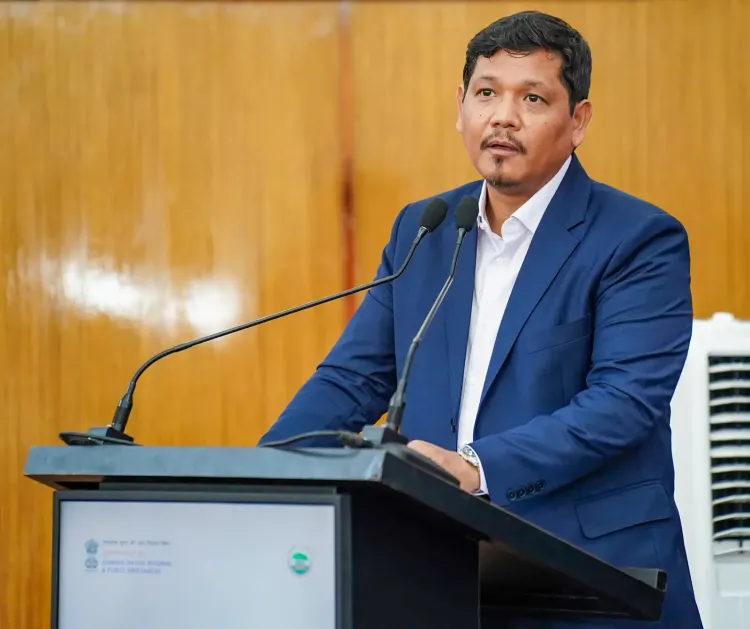
Meghalaya spends ₹4,000 crore annually on education: CM Conrad Sangma
Synopsis
Meghalaya's Chief Minister Conrad Sangma revealed that the state now spends ₹4,000 crore annually on education — and the numbers are showing results. From over 75% SSLC failure rates in Garo Hills to an 86.84% pass rate today, the turnaround is striking, even as rural schools still lack basic electricity, water, and teachers.
Key Takeaways
Chief Minister Conrad K.
Sangma said Meghalaya allocates ₹4,000 crore annually to education out of a total state expenditure of ₹20,000 crore .
The state's SSLC pass rate rose to 86.84% in 2026, up from a period when over 75% of students in Garo Hills failed the exam.
More than 2,000 schools have been upgraded under Mission Education ; over 80 new school buildings were inaugurated on 23 September .
Meghalaya's Performance Grading Index score improved from 448 in 2024 to 525.71 in 2026 .
700 schools are receiving financial assistance under the CM IMPACT Plus scheme.
Rural schools still face shortages of electricity, water, internet, labs, libraries, and teachers; a school-wise remediation roadmap has been ordered.
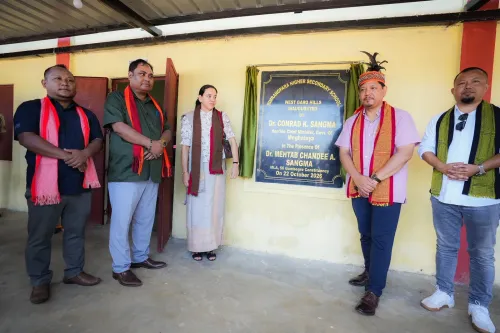
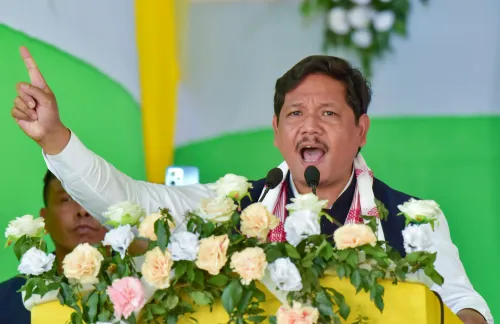
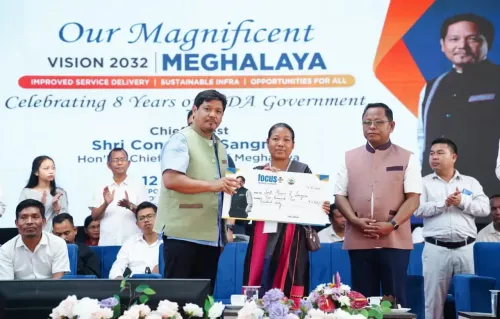
Meghalaya Chief Minister Conrad K. Sangma on Thursday, 22 October 2026, said the state government allocates approximately ₹4,000 crore each year to education — a significant portion of its total annual expenditure of around ₹20,000 crore — as he inaugurated the renovated building of Rimrangpara Higher Secondary School in South West Garo Hills. The occasion served as a platform for Sangma to outline both the strides and the gaps in Meghalaya's school education landscape.
The Education Budget in Context
Addressing the gathering, Chief Minister Sangma noted that education accounts for roughly one-fifth of the state's total annual outlay. The renovated school building at Rimrangpara was supported with ₹14 lakh from the Chief Minister's Special Development Fund (CMSDF), following requests from the school management committee and the local community. He framed the investment as part of a broader, sustained commitment rather than a one-off gesture.
From Crisis to Recovery: The SSLC Turnaround
Sangma highlighted what he described as a dramatic improvement in academic performance. 'More than 75 per cent of children in the Garo Hills region failed their SSLC examination in the past,' he said, noting that the National People's Party (NPP)-led government had spent the last eight years working to reverse that trend. This year, the state recorded an SSLC pass percentage of 86.84 per cent, while pass rates in Higher Secondary examinations exceeded 83 per cent across Science, Arts, and Commerce streams — a striking contrast to the earlier failure rates.
Infrastructure Push Under Mission Education
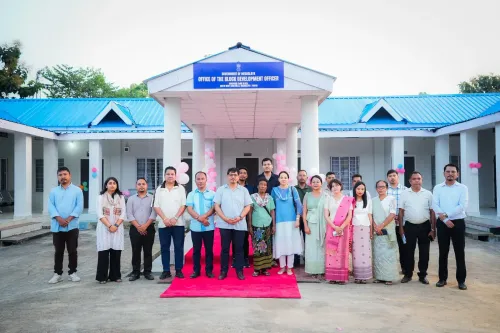
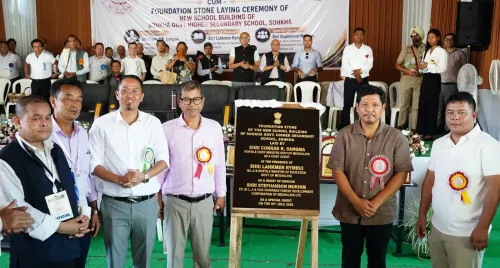
Under the government's Mission Education initiative, more than 2,000 schools across Meghalaya have been upgraded, and over 80 new school buildings were inaugurated on 23 September. The state's score on the national Performance Grading Index for school education rose from 448 in 2024 to 525.71 in 2026, reflecting incremental improvements in systemic quality. Additionally, the government is extending financial assistance to 700 schools under the CM IMPACT Plus scheme.
Gaps That Remain
Despite the progress, Sangma acknowledged that several rural schools continue to face shortages of electricity, drinking water, internet connectivity, libraries, laboratories, and teachers. He said the Education Department has been directed to prepare a school-wise roadmap to address these gaps, complete with timelines and funding requirements. The admission reflects a candid official recognition that infrastructure upgrades have not yet reached all corners of the state.
Higher Education and Local Voices
The Chief Minister also spoke about expanding access to higher education through new colleges and a state university. MLA Mehtab Chandee A. Sangma thanked the Chief Minister for the renovation support and urged the government to establish more higher secondary schools in rural Garo Hills, arguing that the absence of such institutions was a key driver of student drop-outs after Class 10. The demand signals a persistent structural gap between infrastructure investment at the school level and availability of post-secondary pathways in interior regions.
With a roadmap reportedly being prepared and fresh targets set for rural connectivity and staffing, the government's next steps will determine whether Meghalaya's improving headline numbers translate into equitable outcomes across its most remote communities.
Point of View
Drinking water, and internet connectivity raises a pointed question: is the ₹4,000 crore reaching the schools that need it most, or is it concentrated in more accessible districts? The Performance Grading Index improvement is a national-level signal, but index scores can mask intra-state inequality. The true test of Meghalaya's education push will be whether the school-wise roadmap now being drafted produces verifiable, time-bound outcomes in the state's remotest pockets — and whether political will holds once the inauguration ceremonies are over.
NationPress
22 Oct 2026
Frequently Asked Questions
How much does Meghalaya spend on education annually?
Meghalaya spends approximately ₹4,000 crore annually on education, which forms a significant share of the state's total yearly expenditure of around ₹20,000 crore, according to Chief Minister Conrad K. Sangma.
What is Meghalaya's current SSLC pass percentage?
Meghalaya recorded an SSLC pass percentage of 86.84% in 2026. This marks a sharp improvement from earlier years when more than 75% of students in the Garo Hills region failed the examination.
What is Mission Education in Meghalaya?
Mission Education is the Meghalaya government's school infrastructure improvement initiative, under which more than 2,000 schools have been upgraded and over 80 new school buildings were inaugurated on 23 September. It forms the core of the state's effort to address dilapidated school infrastructure.
What is the CM IMPACT Plus scheme?
CM IMPACT Plus is a state government scheme under which financial assistance is being extended to 700 schools in Meghalaya. It is part of a broader package of interventions aimed at improving school quality and outcomes.
What challenges do rural schools in Meghalaya still face?
Despite improvements, many rural schools in Meghalaya continue to lack electricity, drinking water, internet connectivity, libraries, laboratories, and adequate teachers. The Education Department has been directed to prepare a school-wise roadmap with timelines and funding requirements to address these gaps.