CM Conrad Sangma Signs TVET MoU With Singapore's ITEES
Synopsis
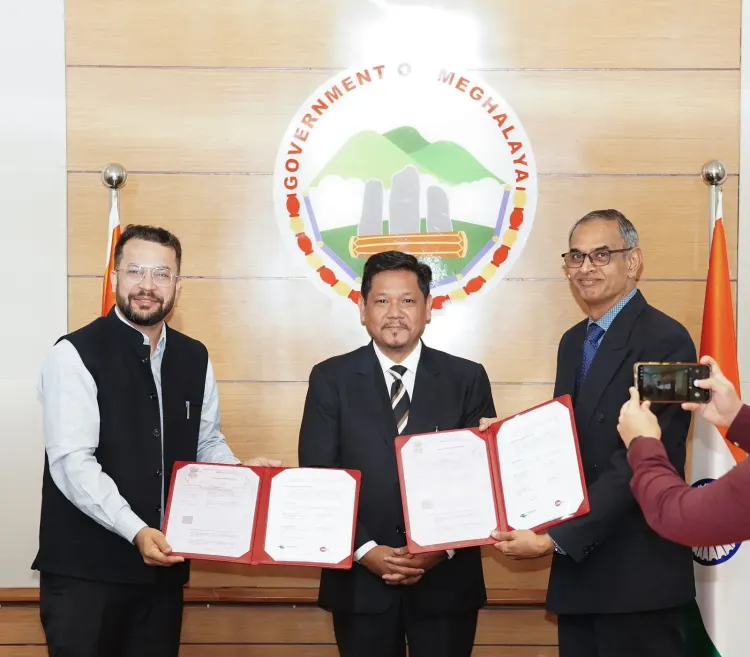
The Government of Meghalaya has signed an MoU with Singapore's ITE Education Services to advance TVET in the state. The partnership will include a Situational Training Needs Analysis and an implementation roadmap for the proposed Meghalaya Skills Institute, aimed at building a future-ready skills ecosystem for Meghalaya's youth.
Key Takeaways
MSSDS and ITE Education Services (ITEES), Singapore have signed an MoU to advance TVET in Meghalaya.
The partnership covers academic development, infrastructure, leadership and capability development, and certification and quality assurance.
ITEES will conduct a Situational Training Needs Analysis (STNA) and develop a roadmap for the proposed Meghalaya Skills Institute (MSI) .
The initiative aligns with India's Skill India Mission (2015) and the India-Singapore Comprehensive Economic Cooperation Agreement .
Union Ministers Ashwini Vaishnaw and Dharmendra Pradhan were tagged, indicating central government coordination.
The MoU continues a broader pattern of North-Eastern states partnering with Singapore's ITEES to raise vocational training standards.
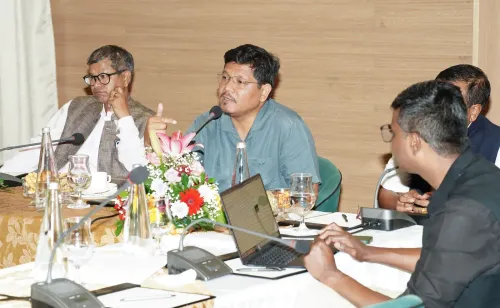
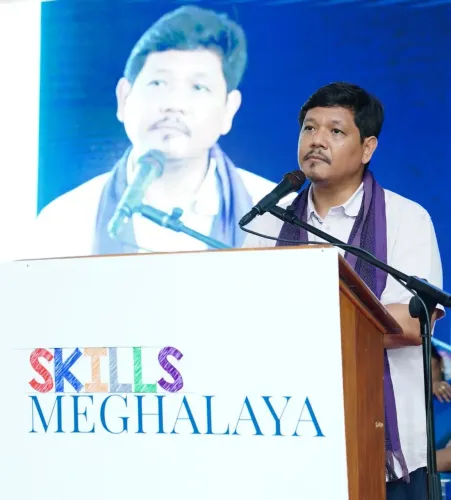
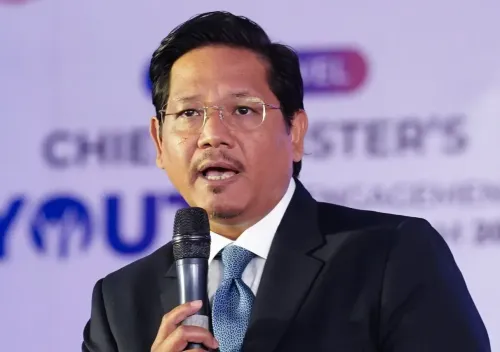
Meghalaya Chief Minister Conrad Sangma announced on Friday, 19 June 2026 that the Government of Meghalaya, through the Meghalaya State Skill Development Society (MSSDS), has signed a Memorandum of Understanding with ITE Education Services (ITEES) of Singapore to advance Technical and Vocational Education and Training (TVET) in the state. The partnership spans academic development, infrastructure, leadership and capability building, and certification and quality assurance.
Context
Chief Minister Sangma shared the development on social media, stating: 'GoM through MSSDS and ITE Education Services (ITEES), Singapore have signed an MoU to establish a partnership in advancing Technical and Vocational Education and Training (TVET), focusing on academic development, infrastructure, leadership and capability development, and certification and quality assurance.' He tagged Union Ministers Ashwini Vaishnaw and Dharmendra Pradhan, signalling central government alignment with the initiative.
A central deliverable of the MoU is a Situational Training Needs Analysis (STNA) that ITEES will conduct, along with recommendations and an implementation roadmap for the proposed Meghalaya Skills Institute (MSI) — a state-level institution aimed at advanced technical and vocational training for Meghalaya's youth.
Policy Backdrop
The agreement sits within the broader architecture of India's Skill India Mission, launched in 2015, which mandated international benchmarking of curricula and quality assurance frameworks across states, including those in the North East. The National Policy on Skill Development and Entrepreneurship, 2015 explicitly called for such global partnerships to raise the recognition of vocational qualifications.
Singapore's ITEES is the international consultancy and training arm of the Institute of Technical Education, widely regarded as one of Asia's most effective TVET models for industry-linked training. The India-Singapore Comprehensive Economic Cooperation Agreement, first signed in 2005 and renewed periodically, includes dedicated provisions for education and skills cooperation, providing a diplomatic framework for state-level engagements like this one.
Indian states have increasingly turned to ITEES to import curriculum design, certification models and institutional frameworks. Northeastern states in particular have leveraged such partnerships to address local skill gaps in sectors such as tourism, information technology, healthcare and green jobs.
Stakeholders and Impact
The primary beneficiaries are Meghalaya's youth, who currently face limited access to internationally benchmarked vocational qualifications. The MSSDS, as the state's nodal skilling agency, will serve as the implementing body, coordinating with ITEES throughout the STNA process and subsequent roadmap execution.
TVET institutions across the state stand to gain updated curricula, improved infrastructure standards and a quality assurance framework aligned with global benchmarks. If the Meghalaya Skills Institute is eventually established, it would represent a significant upgrade to the state's skilling infrastructure, potentially integrating with central schemes such as the Pradhan Mantri Kaushal Vikas Yojana (PMKVY).
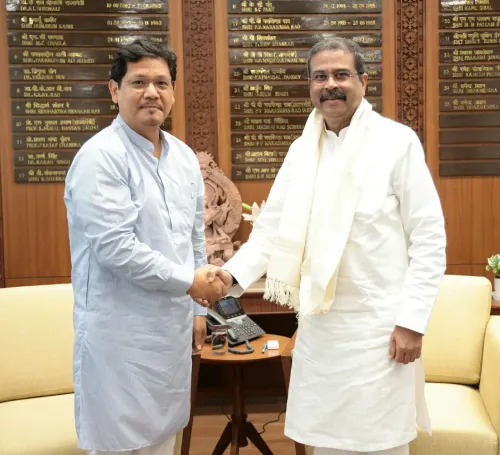
The tagging of Union Minister Dharmendra Pradhan, who oversees national TVET policy and the Skill India Mission, suggests the state government is seeking active central coordination — and possibly future budgetary support — for the MSI's establishment.
What's Next
The immediate next step is ITEES completing the Situational Training Needs Analysis, whose findings will shape the design and scope of the proposed Meghalaya Skills Institute. Cabinet approval for the MSI and any associated state budget allocations will be key milestones to watch.
Analysts will also track whether MSI programmes are eventually integrated into PMKVY 4.0 or receive dedicated allocations under future Union Budget provisions for North-East development. If the institute takes shape, Meghalaya could emerge as a regional hub for internationally certified vocational training in the North East, with implications for youth employment and migration patterns across the region.
Point of View
Sangma is signalling both political alignment with the National Democratic Alliance's Skill India agenda and a bid for future budgetary support for the Meghalaya Skills Institute. The choice of Singapore's ITEES — a globally respected TVET brand — also serves a reputational function, lending credibility to what is still an early-stage proposal. The real test will come when the STNA report is released and the state must commit capital expenditure and curriculum reform at scale.
NationPress
25 Sept 2026
Frequently Asked Questions
What is the Meghalaya ITEES MoU about?
The MoU is an agreement between the Meghalaya State Skill Development Society (MSSDS) and ITE Education Services (ITEES) of Singapore to advance Technical and Vocational Education and Training (TVET) in Meghalaya, covering academic development, infrastructure, leadership, and certification and quality assurance.
What is the Meghalaya Skills Institute (MSI)?
The Meghalaya Skills Institute is a proposed state-level institution for advanced technical and vocational training. Under the new MoU, ITEES will conduct a Situational Training Needs Analysis and prepare an implementation roadmap for its establishment.
What is ITEES and why is Singapore involved in Meghalaya's skill development?
ITE Education Services (ITEES) is the international consultancy arm of Singapore's Institute of Technical Education, known for its industry-linked TVET model. India and Singapore have a Comprehensive Economic Cooperation Agreement that includes education and skills cooperation, making ITEES a preferred partner for Indian states seeking internationally benchmarked vocational training systems.
How does this MoU connect to Skill India Mission?
The MoU aligns with the Skill India Mission launched in 2015, which mandated international benchmarking of vocational curricula and quality assurance. The Meghalaya initiative follows a pattern of North-Eastern states using Singapore partnerships to meet Skill India standards and potentially integrate with schemes like PMKVY.
Who are Ashwini Vaishnaw and Dharmendra Pradhan in this context?
Both are Union Ministers tagged by CM Conrad Sangma in his post. Dharmendra Pradhan oversees the Ministry of Education, Skill India Mission and national TVET policy, while Ashwini Vaishnaw holds portfolios relevant to infrastructure and development, signalling that the state is seeking central government coordination and support for the initiative.