Meghalaya to pass Assembly resolution banning uranium mining, says CM Conrad Sangma
Synopsis
Meghalaya is set to become the first state to legislatively ban uranium mining through an Assembly resolution — a move Chief Minister Conrad Sangma says will end decades of speculation. With uranium a Union subject under the Atomic Energy Act, the real test is whether a state-level resolution can hold against central authority.
Key Takeaways
Chief Minister Conrad K.
Sangma announced on 17 July that Meghalaya will table an Assembly resolution formally banning uranium mining.
Sangma stated the state government has never approved uranium mining and the resolution will remove all ambiguity.
The announcement follows renewed media speculation over uranium mining in uranium-rich areas of Meghalaya.
Opposition to uranium mining in the state spans decades, led by civil society groups citing radiation hazards, ecological damage, and displacement of indigenous communities .
The resolution aims to provide a clear legislative policy direction and address longstanding public health and environmental concerns.
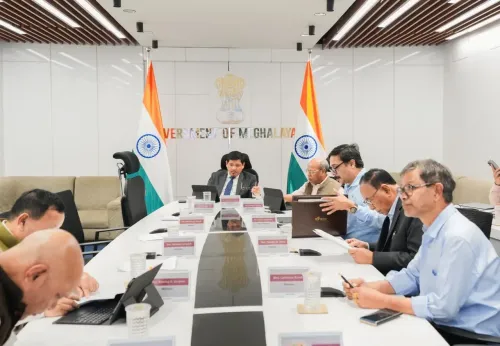
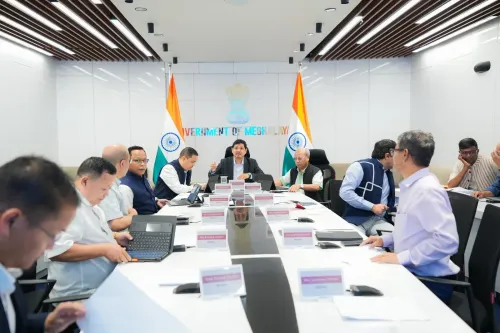
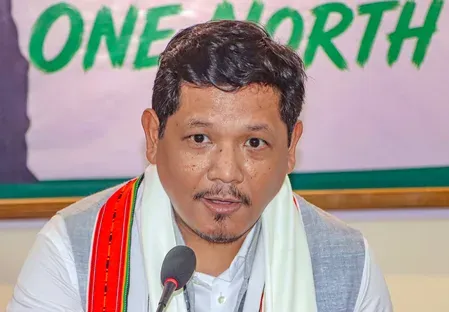
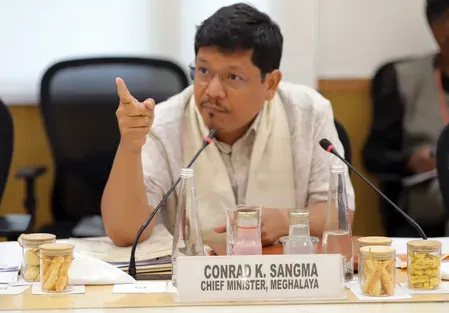
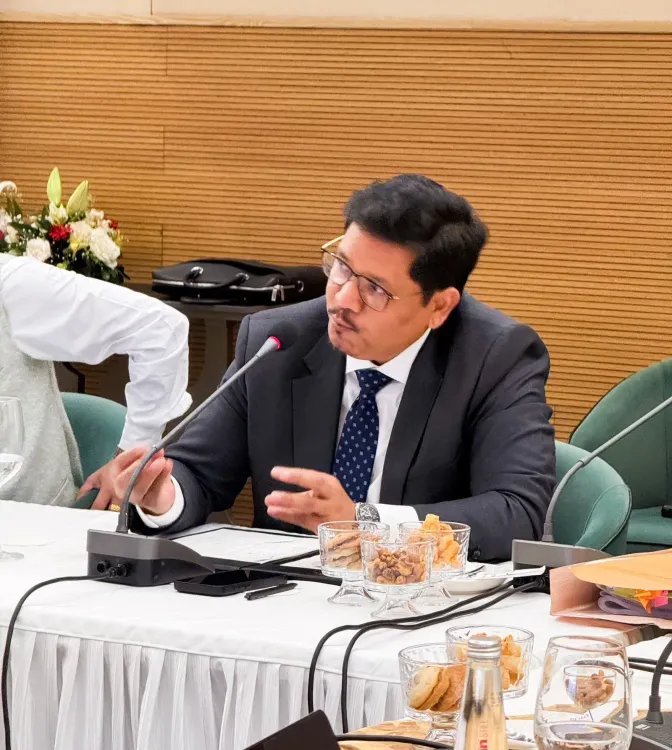
The Meghalaya government will table a resolution in the State Assembly to formally oppose and prohibit uranium mining in the state, Chief Minister Conrad K. Sangma announced on Thursday, 17 July. Sangma categorically stated that his government has never sanctioned uranium mining and that the legislative resolution will remove all ambiguity over the state's position on the issue.
What the Resolution Will Do
According to Chief Minister Sangma, the Assembly resolution will provide a clear, binding policy direction — formally establishing the state's opposition to uranium extraction and banning any such activity going forward. 'The Meghalaya government has consistently maintained its stand against uranium mining. We have never approved uranium mining, and the Assembly resolution will formally oppose and ban any such activity in the state,' Sangma said.
Why the Announcement Was Made Now
The announcement comes amid renewed speculation and media reports over the possibility of uranium mining in Meghalaya, particularly in uranium-rich zones within the state. Successive state governments have faced repeated public pressure to clarify their position each time the issue resurfaced. The proposed resolution is intended to put years of uncertainty to rest once and for all through a formal legislative act.
Longstanding Community Concerns
The uranium mining debate has remained politically and socially sensitive in Meghalaya for decades. Civil society organisations, indigenous communities, and pressure groups have consistently opposed uranium extraction, citing risks of radiation hazards, environmental degradation, displacement of local populations, and threats to public health. Chief Minister Sangma acknowledged these concerns, stating the move was aimed at addressing longstanding public apprehensions over the environmental, ecological, and social consequences of uranium mining.
Government's Broader Commitment
Sangma reiterated that the state government's overriding priority is to safeguard Meghalaya's fragile ecology and protect the interests of its people, ensuring that any development remains sustainable and environmentally responsible. The resolution, once tabled and passed, is expected to formally establish the state's legislative position and reinforce its commitment to preserving natural resources.
The move is being closely watched by civil society groups and communities in uranium-bearing districts, who have long demanded a definitive governmental stance. Whether the Centre responds to a state-level legislative ban — given that uranium is a Union subject under the Atomic Energy Act — remains a key question going forward.
Point of View
1962 — a central legislation that gives the Union government exclusive authority over atomic minerals. A state Assembly resolution opposing uranium mining carries moral and political weight, but it is not legally binding on the Centre or on the Atomic Minerals Directorate. Meghalaya's move is best read as a pressure instrument rather than a hard legal barrier. The real accountability question is whether the Centre will respect it — and whether civil society groups will accept a non-binding resolution as sufficient protection for vulnerable communities who have waited decades for clarity.
NationPress
15 Oct 2026
Frequently Asked Questions
What is the Meghalaya Assembly resolution on uranium mining?
It is a proposed legislative resolution that Chief Minister Conrad K. Sangma announced on 17 July, which will formally oppose and ban uranium mining in Meghalaya. The resolution is intended to establish a clear, official policy position and address longstanding public concerns over the environmental and health risks of uranium extraction.
Has Meghalaya ever approved uranium mining?
No. Chief Minister Sangma has categorically stated that the Meghalaya government has never given its approval for uranium mining in the state. The proposed Assembly resolution will formally codify this position.
Why are communities in Meghalaya opposed to uranium mining?
Civil society organisations, indigenous communities, and pressure groups have long cited concerns over radiation hazards, environmental degradation, displacement of local populations, and threats to public health as reasons for opposing uranium mining in the state.
Can a state Assembly resolution legally ban uranium mining?
Uranium is governed by the Atomic Energy Act, 1962, which is a central legislation giving the Union government authority over atomic minerals. A state Assembly resolution carries political and moral weight but is not legally binding on the Centre, making its enforceability a key open question.
What happens next after the announcement?
The resolution is expected to be tabled in the Meghalaya State Assembly. Once passed, it will formally establish the state's legislative opposition to uranium mining, though its practical effect will depend on the Centre's response given the Union's jurisdiction over atomic energy matters.