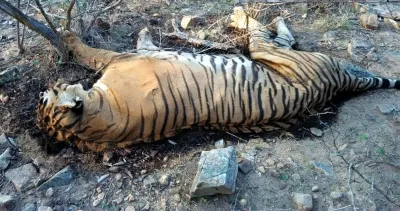
Melghat Tiger Reserve poisoning: Maha minister orders deep probe

Synopsis
A pangolin, a barking deer, and a monkey were found poisoned inside Melghat Tiger Reserve in May 2026 — and one arrested suspect has already named four more alleged accomplices. Maharashtra's Forest Minister told the Legislative Council that international smuggling networks may be linked to broader poaching in the region, raising the stakes well beyond a single forest crime.
Key Takeaways
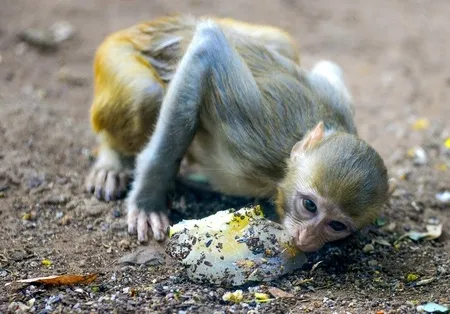
A pangolin , a barking deer , and a monkey were found dead due to poisoning in the Chaurakund forest range of Melghat Tiger Reserve on 22–23 May 2026 .
One suspect has been arrested and has confessed, reportedly naming four other individuals involved.
Preliminary reports confirm poisoning; the detailed forensic report is still awaited.
Maharashtra Forest Minister Ganesh Naik told the Legislative Council on 7 July 2026 that satellite surveillance and patrol teams are being deployed in restricted zones.
The minister cited international smuggling networks as a factor behind tiger and leopard poaching in the region.
The state plans leopard safaris , new tiger reserves in Vidarbha , and natural prey enhancement to reduce human-wildlife conflict.
Maharashtra Forest Minister Ganesh Naik on Tuesday, 7 July 2026, told the Legislative Council that a thorough investigation is underway into the wildlife poisoning incident at the Chaurakund forest range within the Sipna Wildlife Division of Melghat Tiger Reserve in Amravati district. The minister assured lawmakers that wide-ranging preventive measures are being rolled out to prevent a recurrence.
What Happened at Chaurakund
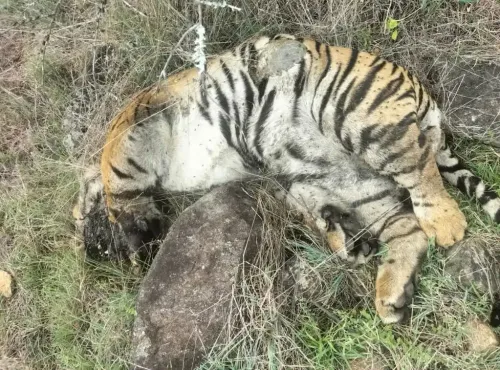
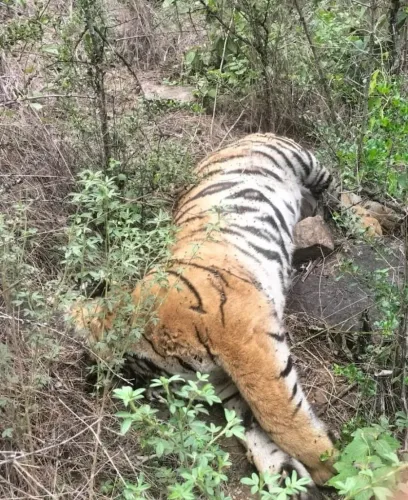
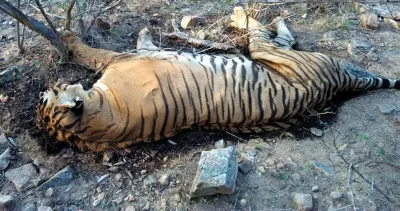
The incident surfaced on 22 and 23 May 2026, when multiple wild animals — including a pangolin, a barking deer, and a monkey — were found dead due to suspected poisoning inside the Chaurakund forest area. Decomposition of some carcasses posed early challenges for investigators. The Field Director of the Tiger Reserve visited the site, ordered a formal inquiry, and arrests followed.
According to the minister, one suspect has been arrested and has confessed to administering the poison. The arrested individual has also reportedly named four other persons allegedly involved in the act. Preliminary reports have confirmed poisoning; however, the detailed forensic report is still awaited. Strict action will be taken against all culprits once the final forensic findings are received, Naik said.
Legislative Attention and the Debate
The discussion was initiated through a calling-attention motion moved by council member Milind Narvekar. Members Bachchu Kadu, Bhai Jagtap, Sunil Shinde, Sanjay Khodke, and Manisha Kayande actively participated in the debate, reflecting cross-party concern over wildlife protection in the Melghat region.
Surveillance and Anti-Poaching Measures
The Forest Department is implementing a multi-pronged approach to curb human-wildlife conflict and prevent future incidents. Measures include satellite surveillance to track human movement in strictly restricted forest zones, deployment of forest guard patrol teams, and improved communication with local communities to build intelligence networks on the ground.
Naik also flagged that international smuggling networks are reportedly active behind the poaching of tigers and leopards in the region — underscoring that this is not an isolated local incident but part of a wider organised crime challenge.
Long-Term Conservation Plan
Beyond immediate enforcement, the state government has outlined a longer-term strategy. Plans include developing sanctuaries and safari projects — including leopard safaris across Maharashtra and new tiger reserves in the Vidarbha region — while increasing the availability of natural prey within forest ecosystems. The intent, Naik said, is to reduce the pressure on wildlife to venture into villages and agricultural fields, thereby easing human-wildlife conflict at its root.
As the forensic investigation continues, all eyes remain on the detailed laboratory report that will determine the final charges against those arrested and potentially implicated.
Point of View
And the arrest of one suspect who immediately names four others suggests an organised network, not a lone act. The minister's reference to international smuggling links deserves scrutiny — if credible, it elevates this from a local wildlife crime to a transnational trafficking matter. Yet the government's response leans heavily on surveillance and safaris, which address visibility, not the economic incentives that drive poaching. Until forest-fringe communities have a genuine stake in wildlife survival — through eco-tourism revenue or crop-compensation mechanisms that actually work — no satellite camera will close the gap.
NationPress
6 Oct 2026
Frequently Asked Questions
What happened at Melghat Tiger Reserve in May 2026?
Several wild animals, including a pangolin, a barking deer, and a monkey, were found dead due to poisoning in the Chaurakund forest range of Melghat Tiger Reserve in Amravati district on 22 and 23 May 2026. Preliminary reports have confirmed poisoning, though the detailed forensic report is still awaited.
Has anyone been arrested for the Melghat wildlife poisoning?
Yes, one suspect has been arrested and has confessed to administering the poison. The arrested individual has reportedly named four other persons allegedly involved in the incident.
What did Maharashtra Forest Minister Ganesh Naik say in the Legislative Council?
Minister Ganesh Naik told the Legislative Council on 7 July 2026 that a thorough investigation is underway and that satellite surveillance, forest guard patrols, and community intelligence networks are being deployed to prevent future incidents. He also noted that international smuggling networks are reportedly active behind tiger and leopard poaching in the region.
What long-term steps is Maharashtra taking to prevent wildlife poisoning?
The state government plans to develop sanctuaries, leopard safaris across Maharashtra, and new tiger reserves in the Vidarbha region. It also aims to increase the availability of natural prey within forests to reduce the incentive for wild animals to enter villages, thereby easing human-wildlife conflict.
Why is the Melghat Tiger Reserve case significant?
Melghat Tiger Reserve is one of India's oldest tiger reserves and home to protected species including tigers and leopards. The poisoning of a pangolin — a critically endangered and heavily trafficked species — alongside other animals, and the minister's reference to international smuggling networks, suggests the incident may be linked to organised wildlife crime beyond a local dispute.