Science Minister Flags India-Nepal Satellite Plan
Synopsis
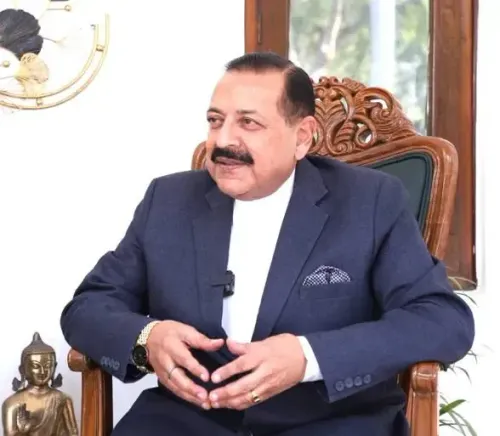
Union minister Dr. Jitendra Singh says India will establish a ground station and 300 user terminals for satellite-enabled services in Nepal, alongside a training framework for Nepali civil servants. His post does not specify when either initiative will begin.
Key Takeaways
Jitendra Singh identified a satellite network and civil-service training as outcomes of bilateral talks involving Balendra Shah.
He said India would set up a ground station and 300 user terminals for Nepal.
The proposed network would support telemedicine, tele-education and disaster management via the South Asia Satellite.
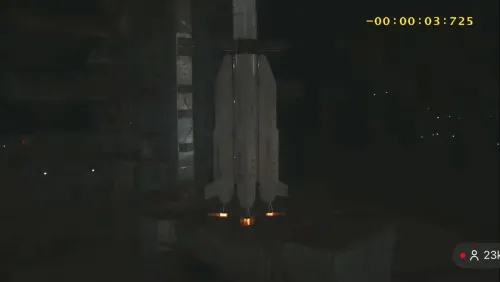
India launched the South Asia Satellite, or GSAT-9, in May 2017.
The post did not provide an installation timetable or a start date for civil-service training.
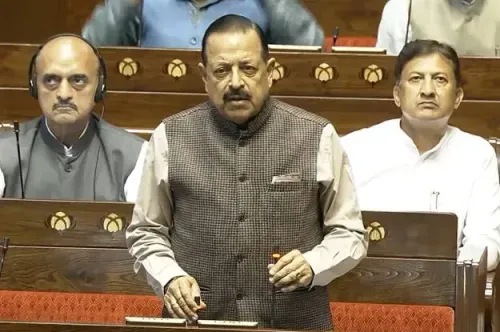
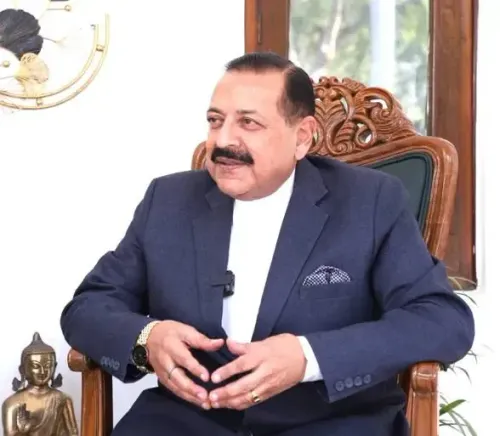
A satellite link and 300 user terminals could bring telemedicine, education and disaster support closer to communities in Nepal, according to Union Science and Technology Minister Dr. Jitendra Singh. In an X post on 24 November 2026, he identified the network and civil-service training as outcomes of bilateral talks involving Balendra Shah.
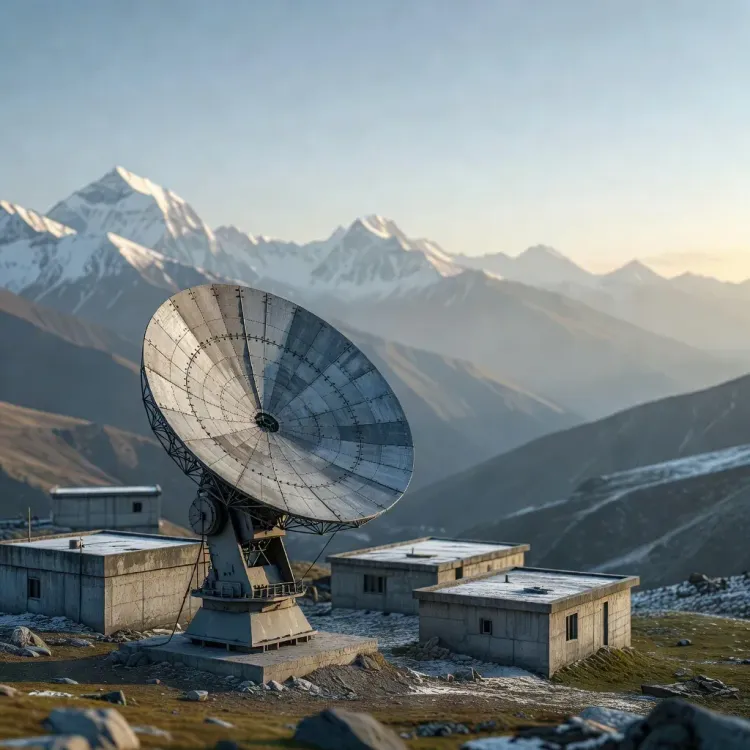
A ground station for the South Asia Satellite
Singh said India would set up a ground station and 300 user terminals to support telemedicine, tele-education and disaster management through the South Asia Satellite. He described the plan as part of a 'deepening civilisational and technological partnership'.
The minister attributed the outcomes to bilateral talks under the leadership of Prime Minister Narendra Modi. His post did not give an installation schedule or identify locations for the ground station and terminals.
India launched the South Asia Satellite, also known as GSAT-9, in May 2017 to extend communication services to South Asian countries, including Nepal. The proposed network would connect that existing satellite capacity to services on the ground.
Training for Nepali civil servants
The second outcome cited by Singh is a dedicated training framework for Nepali civil servants. The post did not specify the courses, participating institutions or a start date.
Both proposals fit a broader pattern of India offering space resources and training infrastructure to neighbours. The practical test now lies in when the terminals are installed and the training framework begins.
Point of View
But the value of the proposed network will depend on putting ground infrastructure into operation. The minister's post leaves the timing and details of both initiatives open.
NationPress
24 Nov 2026
Frequently Asked Questions
What did Jitendra Singh announce about India and Nepal?
He said India would set up a ground station and 300 user terminals for satellite services in Nepal and establish a dedicated training framework for Nepali civil servants.
What will the Nepal satellite terminals be used for?
According to Singh, they will support telemedicine, tele-education and disaster management through the South Asia Satellite.
What is the South Asia Satellite?
The South Asia Satellite, also called GSAT-9, is an Indian communications satellite launched in May 2017 to provide services to South Asian countries, including Nepal.
When will the Nepal ground station and terminals be installed?
Singh's post did not give an installation timetable or specify the locations of the ground station and terminals.
What training did India propose for Nepali civil servants?
Singh described a dedicated training framework for Nepali civil servants but did not specify the courses, institutions or start date.