Mizoram launches voter enrolment drive after SIR, 8.35 lakh on rolls
Synopsis
Mizoram's 8,35,869-strong electoral roll — published after the Special Intensive Revision — still leaves some eligible citizens out. A new ECI-directed drive is sending Booth Level Officers door-to-door to fix that, with political parties looped in and a one-month deadline to complete the exercise.
Key Takeaways
Mizoram launched a special voter enrolment drive on 8 October 2026 after the completion of the Special Intensive Revision (SIR) .
The state's final electoral rolls, published on 7 September 2026 , list 8,35,869 registered voters — including 4,32,689 women, 4,03,179 men, and one third-gender elector.
Mizoram's electoral gender ratio of 1,073 is significantly higher than the national average.
Booth Level Officers (BLOs) will conduct house-to-house visits, covering 20–25 electors per week , targeting completion within one month .
Eligible citizens can apply for enrolment at any time via Form 6 , in line with the ECI 's continuous enrolment policy.
Recognised political parties will receive booth-wise lists at the end of the drive to help facilitate any remaining enrolments.
The state of Mizoram on 8 October 2026 launched a special voter enrolment drive to identify and register eligible citizens whose names were left out of the electoral rolls following the completion of the Special Intensive Revision (SIR), state Election Department officials said. The drive is aimed at ensuring no eligible elector is denied the right to vote ahead of future elections.
Current State of Electoral Rolls
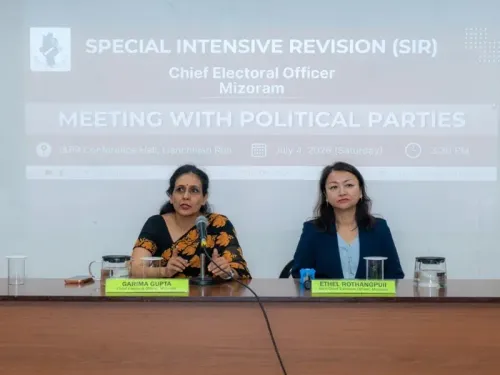
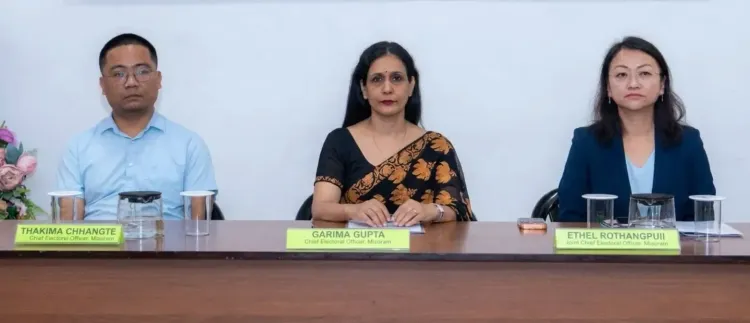
Chief Electoral Officer (CEO) Garima Gupta had earlier stated that, with 1 July 2026 as the qualifying date, Mizoram's final electoral rolls — published on 7 September — record a total of 8,35,869 registered voters. Of these, 4,32,689 are women, 4,03,179 are men, and one elector is registered under the third gender.
Notably, Mizoram's gender ratio in the electoral rolls stands at 1,073 women per 1,000 men — significantly higher than the national average. Before the SIR, the state had 8,75,068 electors against whom enumeration forms were distributed.
ECI Directive and Ground-Level Process
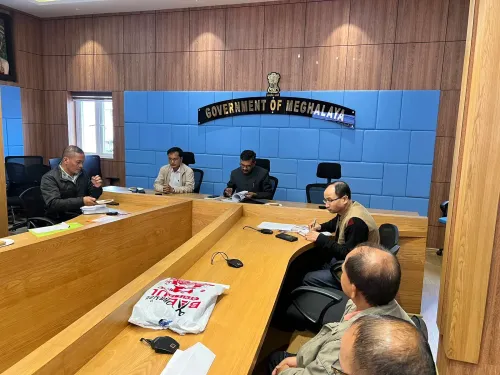
The Election Commission of India (ECI) has directed Chief Electoral Officers (CEOs), District Election Officers (DEOs), and Electoral Registration Officers (EROs) to carry out the special drive systematically. During the enumeration phase of the SIR, Booth Level Officers (BLOs) prepared lists of absent, shifted, dead, and duplicate (ASDD) electors, along with probable reasons for their non-inclusion.
These lists were displayed at notice boards of panchayat bhawans, Urban Local Bodies (ULBs), and offices of Block Development Officers (BDOs). They were also shared with Booth Level Agents (BLAs) and recognised political parties, and uploaded on the Chief Electoral Officer's official website.
House-to-House Visits and Enrolment Mechanism
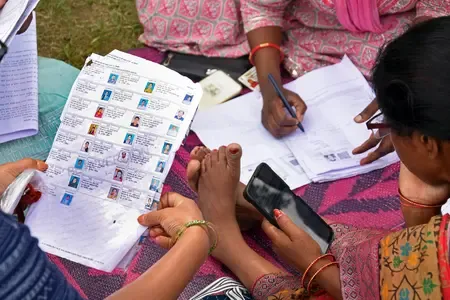
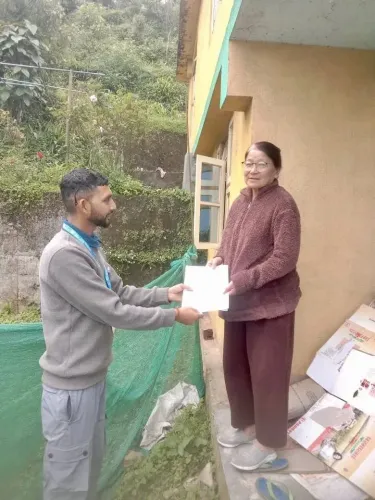
Under the drive, BLOs are required to compare the current electoral roll with the pre-SIR roll and identify electors whose names appeared earlier but are now missing. BLOs will then conduct house-to-house visits to ascertain the status of each such elector and facilitate their registration through Form 6 wherever they are found eligible.
Each BLO is expected to cover at least 20–25 electors per week, with the entire exercise targeted for completion within approximately one month. During these visits, BLOs will also register first-time and young eligible voters who may have been left out.
Continuous Enrolment and Political Party Involvement
The ECI has clarified that voter enrolment is a continuous process. According to an official statement, the Commission said: 'Any eligible person who has not yet been enrolled, or whose name has been deleted from the electoral roll, may apply for enrolment at any time. The objective of the special drive is to identify such electors and facilitate their enrolment.'
At the conclusion of the exercise, booth-wise lists will be shared by EROs with representatives of recognised political parties, giving them a further opportunity to facilitate enrolment of any remaining eligible voters. Booth Level Camps will also be organised, including special camps for persons requiring assistance.
All lists, along with Form 6 applications and field verification reports, will be submitted to the EROs, who will process cases in accordance with the Representation of the People Act, 1950 and the Registration of Electors Rules, 1960. The completion of this drive will determine whether Mizoram's voter rolls see a significant uptick before the next electoral cycle.
Point of View
75,068 pre-SIR electors to 8,35,869 on the final roll — a drop of nearly 40,000 — is significant and warrants scrutiny. While deletions of dead, shifted, and duplicate entries are legitimate, the scale of the drop in a small state means the enrolment drive is not just procedural but politically consequential. Mizoram's gender ratio of 1,073 on the rolls is a genuine bright spot and an outlier nationally, but the one third-gender elector — in a state with a population of over 12 lakh — points to persistent undercount in that category. The real test of this drive will be how many of the 40,000-odd 'missing' electors are genuinely ineligible versus how many were wrongly removed, and whether EROs are held accountable for the latter.
NationPress
8 Oct 2026
Frequently Asked Questions
Why has Mizoram launched a special voter enrolment drive?
Mizoram launched the drive to identify and register eligible citizens whose names were not included in the final electoral rolls after the completion of the Special Intensive Revision (SIR). The Election Commission of India directed the exercise to ensure no eligible elector is left without the right to vote.
How many voters are registered in Mizoram as of 2026?
As of the final electoral rolls published on 7 September 2026 — with 1 July 2026 as the qualifying date — Mizoram has 8,35,869 registered voters, comprising 4,32,689 women, 4,03,179 men, and one third-gender elector.
How will the enrolment drive work on the ground?
Booth Level Officers (BLOs) will compare the current roll with the pre-SIR roll, identify missing electors, and conduct house-to-house visits to verify their status. Those found eligible will be assisted in submitting Form 6 for enrolment, with BLOs covering 20–25 electors per week over approximately one month.
Can eligible voters apply for enrolment independently?
Yes. The ECI has clarified that voter enrolment is a continuous process and any eligible person may apply via Form 6 at any time, regardless of the special drive. The drive is an additional facilitation measure to proactively reach left-out electors.
What role do political parties play in this drive?
Recognised political parties receive the lists of absent, shifted, dead, and duplicate electors prepared by BLOs, as well as booth-wise lists at the conclusion of the drive. This gives parties an opportunity to flag and facilitate the enrolment of any eligible voters who may still be missing.