ECI launches special voter enrolment drive to cover left-out electors after SIR
Synopsis
The Election Commission has launched a post-SIR cleanup drive that goes beyond routine updates — directing BLOs to personally visit homes to find voters dropped from rolls, with a one-month deadline and special camps for the homeless and marginalised. With elections always on the horizon, the drive is a critical test of whether India's vast electoral machinery can reconcile millions of deletions and omissions before the next vote.
Key Takeaways
The Election Commission of India (ECI) directed states and UTs on 2 October 2026 to launch a special voter enrolment drive following completion of the Special Intensive Revision (SIR) of electoral rolls.
The drive targets left-out electors , first-time voters , and young voters through house-to-house visits by Booth Level Officers (BLOs) .
BLOs must cover at least 20–25 electors per week , with the exercise expected to be completed in approximately one month .
Special enrolment camps will be organised for residents of night shelters , labour colonies , and homeless and marginalised persons.
Booth-wise lists will be shared with recognised political parties at the conclusion of the drive, allowing them to assist in identifying missed electors.
Action will be taken under the Representation of the People Act, 1950 and Registration of Electors Rules, 1960 .
The Election Commission of India (ECI) on 2 October 2026 directed all states and union territories where the nationwide Special Intensive Revision (SIR) of electoral rolls has been completed to launch a targeted drive to identify and enrol eligible voters who may have been missed. The Commission's directive, addressed to the Chief Electoral Officers (CEOs) of all states and UTs, specifically focuses on left-out electors, first-time voters, and young voters.
Background and Basis for the Directive
The direction follows a communication dated 29 September and a meeting convened with all CEOs on 1 October. During the enumeration phase of the SIR exercise, each Booth Level Officer (BLO) had prepared a list classifying voters as Absent, Shifted, Dead and Duplicate (ASDD), along with probable reasons for their non-inclusion. These lists were displayed at Panchayat Bhawans and Urban Local Body offices, shared with Booth Level Agents (BLAs) and political parties, and uploaded to CEO websites.
Following this, a draft electoral roll was published and shared with political parties before the final roll was issued after Electoral Registration Officers (EROs) settled claims and objections. The ECI noted that the final roll reflects deletions made during enumeration as well as additions and deletions post-draft publication — meaning the pre-SIR roll and the current roll may differ significantly for some booths.
How the Special Drive Will Work
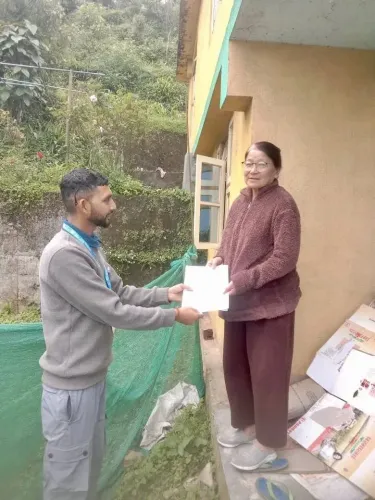
BLOs have been directed to compare the current electoral roll with the pre-SIR roll and identify electors whose names appeared earlier but are now missing. They will then undertake house-to-house visits to ascertain the status of each such elector and facilitate enrolment through Form 6 wherever eligibility is confirmed.
The Commission has set a pace of at least 20–25 electors per week per BLO, with the aim of completing the exercise in approximately one month. BLOs will record the present status of each identified elector and flag those for whom Form 6 has been submitted. Lists, filled-in applications, and field verification reports will be submitted to the concerned EROs, who will act under the Representation of the People Act, 1950 and the Registration of Electors Rules, 1960.
Outreach for Marginalised and First-Time Voters
The ECI has directed authorities to organise Booth Level Camps for enrolment applications, with special camps earmarked for residents of night shelters, labour colonies, and homeless or marginalised persons. During house-to-house visits, BLOs will also facilitate enrolment of any eligible first-time or young voters encountered.
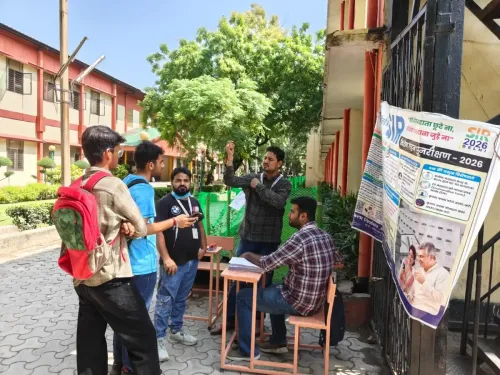
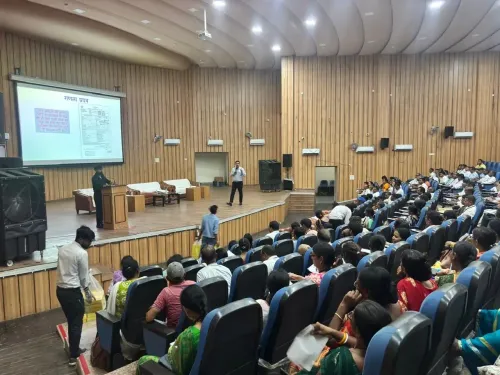
Awareness and mobilisation activities have been mandated through educational institutions, local outreach programmes, SVEEP activities, regular press briefings, and other platforms. The goal, the Commission said, is to ensure every eligible citizen is aware of the opportunity to register.
Monitoring and Political Party Involvement
Progress will be reviewed regularly at the levels of the CEO, District Election Officer (DEO), and ERO. At the conclusion of the drive, booth-wise lists will be shared with representatives of recognised political parties, giving them an additional opportunity to assist in identifying missed electors.
'The objective of the special drive is to identify and facilitate such electors,' the Commission stated. The ECI reiterated that voter enrolment is a continuous process and that individuals not yet enrolled — or whose names have been deleted — can apply for enrolment at any time. The drive is expected to conclude within a month of its launch, setting the stage for a more complete electoral roll ahead of future elections.
Point of View
Shifted, or duplicate and quietly disappear. The ASDD category, while necessary for hygiene, has historically been a vector for shrinkage of marginalised voter bases. By mandating house-to-house visits and special camps for night shelters and labour colonies, the Commission is signalling awareness of this structural blind spot. The real accountability test will be in the numbers: how many of the pre-SIR deletions are restored, and whether booth-wise reconciliation data is made public so civil society and parties can independently verify the drive's reach.
NationPress
2 Oct 2026
Frequently Asked Questions
What is the ECI's special voter enrolment drive after SIR?
It is a targeted exercise directed by the Election Commission of India on 2 October 2026 to identify and enrol voters who may have been left out during or after the Special Intensive Revision (SIR) of electoral rolls. Booth Level Officers will conduct house-to-house visits and use Form 6 to facilitate enrolment of eligible citizens, including first-time and young voters.
What is the Special Intensive Revision (SIR) of electoral rolls?
The SIR is a nationwide exercise to comprehensively update electoral rolls, during which Booth Level Officers classify voters as Absent, Shifted, Dead or Duplicate (ASDD) and revise the rolls accordingly. A draft roll is published for claims and objections before a final roll is issued, but the process can result in some eligible voters being inadvertently omitted.
How will BLOs identify voters left out of the electoral roll?
BLOs will compare the current post-SIR electoral roll with the pre-SIR roll to identify names that have gone missing. They will then visit those addresses to confirm the current status of each elector and, where the person is found eligible, assist them in submitting a Form 6 enrolment application.
Who is the special drive meant for?
The drive primarily targets eligible citizens whose names were dropped from the electoral roll during or after the SIR process, as well as first-time voters and young voters yet to register. Special camps will also be organised for residents of night shelters and labour colonies, and for homeless and marginalised persons.
How long will the special enrolment drive last?
The ECI has set a pace of 20–25 electors per BLO per week, with the full exercise expected to be completed in approximately one month. Progress will be monitored and reviewed at the CEO, District Election Officer, and Electoral Registration Officer levels throughout the drive.