PM Modi visits Manila Gurdwara Khalsa Diwan, SGPC urges action on Sikh demands
Synopsis
PM Modi's visit to a 100-year-old Gurdwara in Manila drew Sikh leaders' praise — but also sharp reminders: SGPC elections haven't been held in 16 years, Bandi Singhs remain imprisoned beyond their sentences, and the Kartarpur Corridor stays shut. The goodwill of a foreign shrine visit now has a three-point accountability checklist attached to it.
Key Takeaways
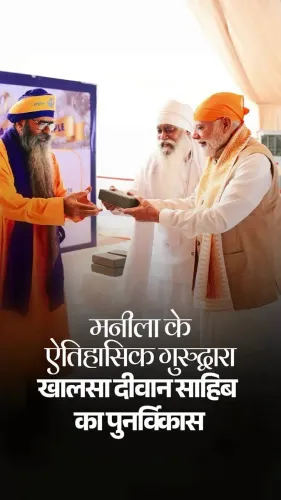
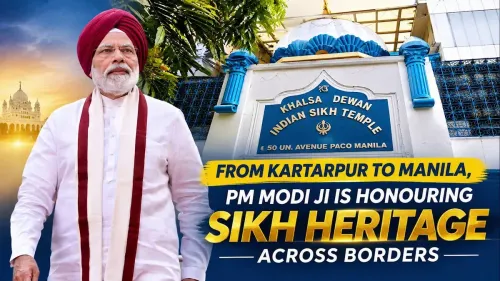
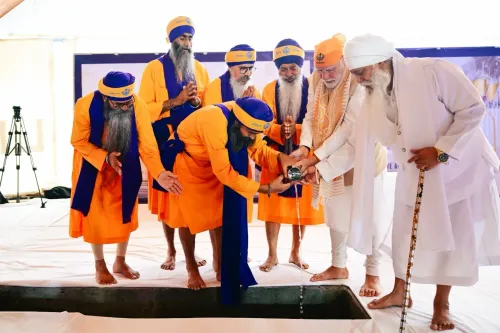
PM Narendra Modi visited Gurdwara Khalsa Diwan in Manila, Philippines , laying the foundation stone for the nearly 100-year-old shrine's redevelopment in the presence of the Panj Pyare .
SGPC members and DSGMC leaders welcomed the visit as a positive gesture for Sikhs in India and abroad.
Sikh leaders raised three key demands: release of Bandi Singhs , reopening of the Kartarpur Sahib Corridor , and immediate conduct of SGPC elections .
SGPC elections have remained pending for the past 16 years , according to Manjit Singh Bhoma of the DSGMC .
Leaders called on the Centre to revive progress on 1984 anti-Sikh riots cases, noting that momentum had slowed despite earlier convictions.
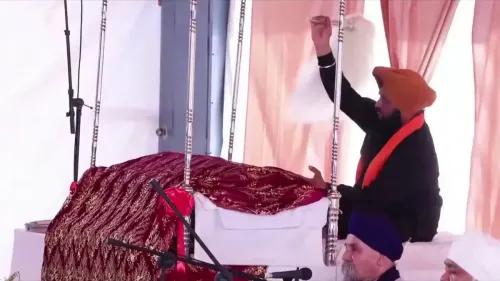
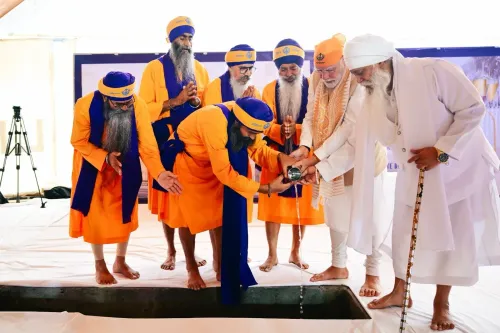
Prime Minister Narendra Modi visited the historic Gurdwara Khalsa Diwan in Manila, Philippines, paying obeisance and laying the foundation stone for the nearly 100-year-old shrine's redevelopment in the presence of the Panj Pyare ('Five Beloved Ones'). The visit has drawn widespread appreciation from Sikh religious leaders across India, while simultaneously prompting renewed calls on the Centre to resolve long-pending community concerns.
Sikh Leaders Welcome the Visit
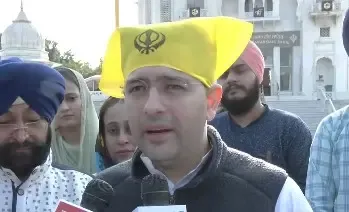
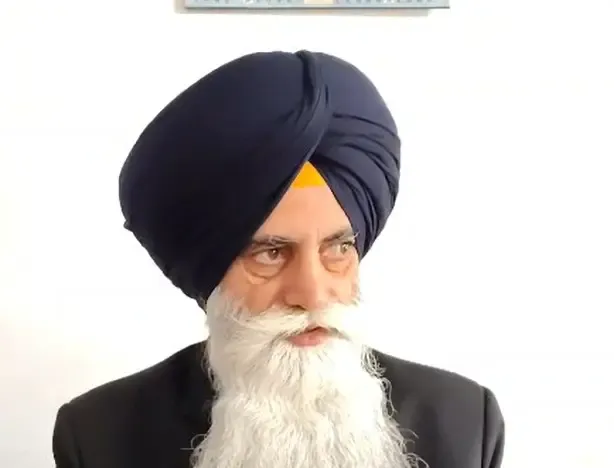
Shiromani Gurdwara Parbandhak Committee (SGPC) member Advocate Bhagwant Singh Sialka described the Prime Minister's gesture as a positive sign of respect for Sikh heritage. 'When the Prime Minister of the country visits Gurdwaras and expresses his faith and reverence, it makes not only Sikhs in India but also those living abroad feel proud. The Prime Minister has remained connected with Punjab, and his respect for Sikh religious institutions is appreciable,' Sialka said.
SGPC member Malkit Singh Changal from Longowal similarly welcomed the ceremony, calling the recognition of Sikh heritage on foreign soil significant. Manjit Singh Bhoma, President of the Punjab unit of the Dharam Parchar Committee of the Delhi Sikh Gurdwara Management Committee (DSGMC), also praised the Prime Minister's participation under the leadership of the Panj Pyare, saying it had brought pride to the global Sikh community. Bhoma also recalled Modi's earlier involvement in the restoration of Gurdwara Lakhpat Sahib in Gujarat's Kutch region and acknowledged his role in facilitating the opening of the Kartarpur Corridor.
Three Core Demands Raised
Despite the appreciation, Sikh leaders made clear that goodwill gestures must translate into concrete policy action. Bhoma outlined three major expectations from the Centre: the release of Bandi Singhs (Sikh prisoners who have already completed their sentences), the reopening of the Kartarpur Sahib Corridor, and the immediate conduct of SGPC elections. 'The Sikh community has three important expectations from the Prime Minister: the release of Bandi Singhs who have completed their sentences, the reopening of the Kartarpur Sahib Corridor and the immediate conduct of SGPC elections,' Bhoma said, appealing to Modi to announce positive decisions on all three demands on the occasion of Sri Guru Nanak Dev Ji's Parkash Purab.
Changal echoed the call on Bandi Singhs, stressing that prisoners who had already served their sentences deserved release without further delay. Sialka added that the Kartarpur Corridor required political intervention and bilateral dialogue between India and Pakistan. 'The Kartarpur Corridor is an important religious issue for the Sikh community. The Central government should take a decision through dialogue so that devotees can once again have the opportunity for open darshan and deedar at Sri Kartarpur Sahib,' he said.
SGPC Elections Pending for 16 Years
The demand for SGPC elections was flagged as particularly urgent by Bhoma, who noted that the elections had remained pending for the past 16 years. He stressed that democratic representation within Sikh religious management was essential. 'SGPC elections should be conducted without further delay so that a new leadership can emerge through the democratic process and represent the aspirations of the Sikh community,' he said.
1984 Anti-Sikh Riots: Calls to Sustain Momentum
Sialka also raised the issue of 1984 anti-Sikh riots cases, acknowledging that investigations had been reopened and some accused convicted during the current government's tenure, but expressing concern that progress had slowed. He urged the state government to ensure these cases do not lose momentum and that all those responsible for the violence receive strict punishment. This comes amid broader debates about accountability for the violence that claimed thousands of Sikh lives in the aftermath of the assassination of former Prime Minister Indira Gandhi.
Significance of the Manila Gurdwara
The Gurdwara Khalsa Diwan in Manila is a nearly century-old institution representing a significant part of Sikh heritage in Southeast Asia. Its redevelopment, with the foundation stone laid by a sitting Indian Prime Minister in the presence of the Panj Pyare, is seen by community leaders as a landmark moment for the Sikh diaspora in the region. Whether the symbolic warmth of the Manila visit translates into policy movement on the SGPC elections, Bandi Singhs, and the Kartarpur Corridor is likely to define the next chapter of the Centre's relationship with India's Sikh community.
Point of View
Kartarpur, and SGPC elections. The last is a glaring democratic deficit — 16 years without elections in the apex Sikh religious body is an anomaly no ceremonial visit can paper over. The real test of the Centre's relationship with the Sikh community lies in whether these demands move off the pending list.
NationPress
17 Nov 2026
Frequently Asked Questions
What did PM Modi do at the Gurdwara Khalsa Diwan in Manila?
PM Modi paid obeisance and laid the foundation stone for the redevelopment of the nearly 100-year-old Gurdwara Khalsa Diwan in Manila, Philippines, in the presence of the Panj Pyare ('Five Beloved Ones'). The visit was welcomed by Sikh religious leaders across India.
What are the three demands Sikh leaders have raised with PM Modi?
Sikh leaders have urged PM Modi to ensure the release of Bandi Singhs (Sikh prisoners who have completed their sentences), reopen the Kartarpur Sahib Corridor, and immediately conduct long-overdue SGPC elections. These demands were raised even as leaders welcomed the Manila Gurdwara visit.
Why are SGPC elections considered overdue?
SGPC elections have not been held for the past 16 years, according to DSGMC leader Manjit Singh Bhoma. Leaders argue this has left Sikh religious management without fresh democratic representation and have called on the government to conduct elections without further delay.
What is the Kartarpur Corridor and why is its reopening being demanded?
The Kartarpur Corridor is a visa-free passage connecting Gurdwara Darbar Sahib in Kartarpur, Pakistan, with the Indian border — a site of deep religious significance for Sikhs. Its reopening requires India-Pakistan diplomatic dialogue, and Sikh leaders have urged the Centre to pursue this actively.
What was said about the 1984 anti-Sikh riots cases?
SGPC member Advocate Bhagwant Singh Sialka acknowledged that investigations had been reopened and some accused convicted under the current government, but said progress had slowed. He urged the state government to ensure the cases maintain momentum and that all those responsible face strict punishment.