Shekhawat backs Agniveer tenure hike as Diwali gift from Modi govt
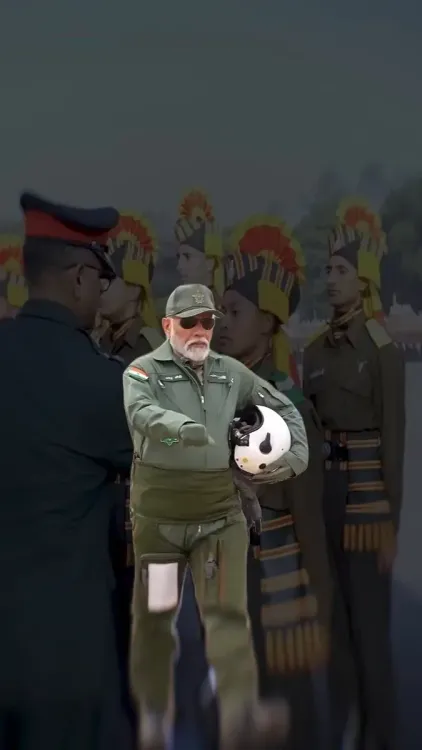
Synopsis
Union Minister Gajendra Singh Shekhawat claims the Modi government has extended Agniveer tenure from four to six years with better pay and Seva Nidhi as a Diwali gift, targeting Rahul Gandhi for spreading 'propaganda' on the Agnipath scheme.
Key Takeaways
Gajendra Singh Shekhawat posted on 6 November 2026 claiming the Agnipath scheme tenure has been extended from 4 to 6 years .
The minister says Agniveers will receive better salaries, a higher Seva Nidhi , and a new pathway to permanent soldiership.
The post directly names Rahul Gandhi and the opposition, accusing them of misleading youth on Agnipath.
The Agnipath scheme was launched in June 2022 , replacing permanent recruitment with a short-service model; it has faced protests since.
An official Ministry of Defence gazette notification confirming the claimed changes has not been independently verified as of this report.
The announcement is framed as a Diwali gift from the Modi government to the country's youth and defence aspirants.
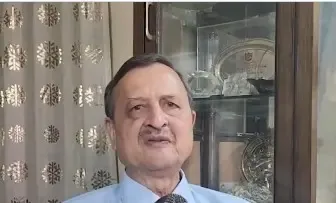
A major political salvo over India's most debated military recruitment reform landed on Friday, 6 November 2026, when Union Culture and Tourism Minister Gajendra Singh Shekhawat declared that the Modi government has extended the Agniveer service tenure from four to six years — framing it as a Diwali gift to the nation's youth and a demolition of what he called the opposition's propaganda on the Agnipath scheme.
Posting on X in Hindi, Shekhawat wrote: 'अग्निपथ पर विपक्ष का प्रोपेगेंडा ध्वस्त, मोदी सरकार का दिवाली पर अग्निवीरों को बड़ा तोहफा!' — ('Opposition's propaganda on Agnipath demolished, Modi government's big Diwali gift to Agniveers!') He specifically named Rahul Gandhi and the broader opposition, accusing them of misleading the youth, while asserting that the government has now announced better salaries, an enhanced Seva Nidhi (service fund), and a new pathway to become regular soldiers.
What the claimed changes mean for Agniveers
The Agnipath scheme, launched in June 2022, replaced the earlier permanent recruitment model for the Indian Army, Navy, and Air Force with a short four-year contract under which only 25 percent of recruits were eligible for permanent absorption. The minister's post claims that tenure is now being stretched to six years, with improved pay and a larger Seva Nidhi payout at the end of service. If confirmed through an official Ministry of Defence gazette notification, this would represent the most significant structural revision to the scheme since its launch.
Four years of fire: the Agnipath controversy in brief
From the moment it was announced, Agnipath ignited protests across Bihar, Uttar Pradesh, Haryana, and several other states. Defence aspirants, many of whom had trained for years under the old system, feared a future with no guaranteed pension and limited job security after just four years of service. The government responded with limited adjustments — most notably raising the upper age limit for the first batch — but the core architecture remained intact. Rahul Gandhi and opposition parties made the scheme a consistent campaign plank, arguing it destabilised the livelihoods of thousands of young soldiers-in-waiting.
The BJP and government ministers have countered that Agniveers return to civilian life as disciplined, skilled individuals and that the scheme modernises the force's age profile. Shekhawat's post is the latest and sharpest iteration of that counter-narrative — timed, deliberately, to a festival moment.
Verification gap and what to watch
It is important to note that the specific details Shekhawat cites — the six-year tenure, the revised Seva Nidhi quantum, and the expanded permanent-absorption window — have not yet been independently confirmed through an official Ministry of Defence notification as of the time of this report. Formal gazette orders detailing the revised terms, eligibility criteria, and rollout timelines across the three services will be the definitive document to watch. Until then, Shekhawat's post represents the government's political assertion of the change, not yet its verified operational reality.
What is certain: the battle over Agnipath has entered a new phase — and the government has chosen Diwali week to fire its loudest salvo yet.
Point of View
Handing the opposition a durable jobs-and-security narrative especially in recruitment-heavy states like Bihar, UP, and Haryana. A structural revision — if confirmed — would defang that attack ahead of state and national electoral cycles, transforming a liability into a deliverable. Shekhawat's choice to frame this as a Diwali gift signals the BJP's intent to convert the announcement into a cultural and emotional moment, not merely a policy update. The credibility test, however, remains the gazette notification: in India's defence policy ecosystem, ministerial social-media posts and formal orders do not always land simultaneously.
NationPress
6 Nov 2026
Frequently Asked Questions
What is the new Agniveer service period after the Modi government's 2026 announcement?
Union Minister Gajendra Singh Shekhawat has claimed the Agniveer tenure has been extended from 4 years to 6 years , along with better pay and an enhanced Seva Nidhi, though an official Ministry of Defence notification confirming this was not independently verified at the time of this report.
What is the Agnipath scheme and why is it controversial?
The Agnipath scheme , launched in June 2022 , recruits youth into the Indian Armed Forces on a short-service contract. Originally four years, only 25 percent of Agniveers were eligible for permanent absorption, triggering widespread protests over long-term job security.
What did Rahul Gandhi say about Agnipath?
Rahul Gandhi and the Congress-led opposition have consistently criticised the Agnipath scheme, arguing it deprives defence aspirants of career stability, pensions, and long-term employment — a charge the BJP has repeatedly contested.
What is the Seva Nidhi in the Agnipath scheme?
The Seva Nidhi is a lump-sum corpus paid to Agniveers at the end of their service, comprising their own monthly contribution matched by the government. Minister Shekhawat's post claims this amount will be increased under the revised scheme.
Will all Agniveers now get permanent absorption into the military?
Not necessarily. The original scheme allows only 25 percent of Agniveers to become regular soldiers. Shekhawat's post mentions a 'new opportunity' to become permanent soldiers, but specific revised absorption percentages have not been officially confirmed.