Agnipath scheme: 2-year tenure extension for Agniveers welcomed by defence experts
Synopsis
The Union Cabinet has quietly rewritten one of India's most contested military recruitment reforms — extending Agniveer tenures by two years and opening a door to permanent service. With over 18,300 recruits from the first batch set to exit by December, the timing is no coincidence, and defence experts are calling it the most consequential fix to Agnipath since its divisive 2022 launch.
Key Takeaways
The Union Cabinet has approved a two-year extension to the Agniveer service tenure beyond the original four-year term .
Permanent recruitment is now possible for Agniveers subject to eligibility criteria and individual consent.
Over 18,300 Agniveers from the first batch were due to exit the Armed Forces by 31 December .
Retired Brigadier Hemant Mahajan called the move 'mutually beneficial', citing the need for deeper technical training.
Defence expert Dhruv Katoch described it as 'a very positive step' and an early Diwali gift for Agniveers.
The original Agnipath scheme was launched in June 2022 , retaining only 25 per cent of recruits permanently.
The Union Cabinet's decision to extend the service tenure of Agniveers by an additional two years beyond their stipulated four-year term has drawn praise from defence experts, who have described it as a 'mutually beneficial' move for both the Armed Forces and the recruits. The announcement, made on Wednesday, 4 November 2026, comes weeks before the first batch of Agniveers was set to begin exiting the forces in a phased manner starting mid-November.
What the Cabinet Decision Entails
Under the revised terms of the Agnipath scheme, Agniveers who complete their initial four-year tenure will now be eligible for a two-year extension. The government has also introduced a pathway for permanent recruitment, subject to meeting specific eligibility criteria and individual consent. The original scheme, launched in June 2022, had mandated that only 25 per cent of recruits be retained in regular service, with the remaining 75 per cent released at the end of four years.
Defence Experts Back the Move
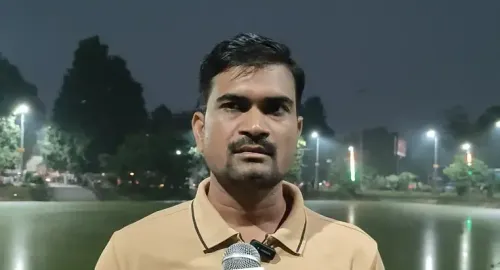
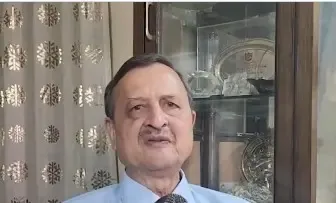
Retired Brigadier Hemant Mahajan, a noted defence analyst, said the extension addresses one of the core structural weaknesses of the original scheme. 'This will prove to be mutually beneficial for both the Armed Forces as well as Agniveers, as the latter, having trained in multi-pronged operations over a period of time, will enrich the services,' he said.
Mahajan had previously described the four-year tenure as 'short and transient', arguing it was insufficient for training in the full spectrum of technical arms and artillery. He added that the extended period will now give recruits adequate time to learn and master ground-level skills, and that the changes would also improve their chances of permanent absorption into the forces.
Defence expert Dhruv Katoch was equally effusive, calling the development an early Diwali gift for the Agniveers. 'I consider this a very positive step, and I would say that Diwali has arrived four days early for all the Agniveers,' Katoch said.
Who Is Directly Affected
Over 18,300 Agniveers from the first batch were scheduled to exit the Armed Forces by 31 December after completing their four-year term. The Cabinet's decision effectively halts that mass exit — at least for those who opt for the extension and meet the revised eligibility criteria. The three services had been preparing to release 75 per cent of this cohort in phases from mid-November.
Background: The Agnipath Controversy
The Agnipath scheme has been among the most debated defence recruitment reforms since its rollout in June 2022. Critics had long argued that the short service period undermined institutional memory and left recruits with limited civilian career prospects post-exit. The government's latest revision — widely seen as a significant policy course-correction — attempts to balance the original cost-reduction rationale with operational continuity and the welfare of the recruits. Notably, this is the most substantive structural change to the scheme since its launch.
What Comes Next
The specifics of the eligibility criteria for permanent recruitment are yet to be detailed publicly. Industry and veterans' groups are expected to seek clarity on transition benefits, pension applicability for the extended cohort, and the timeline for processing permanent absorption requests. The government's move is likely to face scrutiny over whether it represents a durable fix or a stopgap ahead of potential further revisions.
Point of View
Particularly in technical arms. What the government frames as an enhancement is, in operational terms, a correction of a structural flaw that veterans flagged from day one. The more telling detail is the timing: the move arrives just weeks before 18,300 Agniveers from the first batch were to be released en masse, a moment that carried significant political and social risk. Whether the extension genuinely improves retention outcomes or merely defers the same exit pressures by two years will depend entirely on how the permanent recruitment pipeline is designed — and that detail has not yet been made public.
NationPress
4 Nov 2026
Frequently Asked Questions
What is the Agniveer tenure extension announced by the Union Cabinet?
The Union Cabinet has approved an additional two-year service extension for Agniveers beyond their original four-year term, along with a pathway to permanent recruitment subject to eligibility criteria and individual consent. The decision was announced on 4 November 2026 and directly affects over 18,300 recruits from the first batch.
Why was the Agnipath scheme's four-year tenure considered a problem?
Defence experts, including retired Brigadier Hemant Mahajan, had flagged that four years was insufficient to train recruits across the full spectrum of technical arms and artillery. The short tenure limited the depth of skills Agniveers could develop and reduced the value they brought to the Armed Forces.
How many Agniveers are affected by this decision?
Over 18,300 Agniveers from the first batch were scheduled to exit the Armed Forces by 31 December after completing four years. The Cabinet's extension offer applies to this cohort, subject to eligibility and individual consent.
What was the original Agnipath scheme?
The Agnipath scheme was launched in June 2022 as a short-service military recruitment programme, enlisting soldiers for a four-year term with only 25 per cent eligible for permanent retention. It was designed to reduce the long-term pension burden on defence expenditure but drew criticism over employment prospects for the 75 per cent released.
Can Agniveers now be permanently absorbed into the Armed Forces?
Yes, under the revised terms, Agniveers are eligible for permanent recruitment after the extended service period, subject to meeting specific eligibility criteria and providing individual consent. The detailed eligibility conditions have not yet been publicly released by the government.