Agniveer service extended to 6 years: aspirants say move will draw more youth to Army
Synopsis
The Union Cabinet has quietly rewritten the Agniveer contract — pushing tenure from four to six years and cracking open Army absorption for the full 100% of recruits, not just the guaranteed 25%. For thousands of aspirants in states like Rajasthan and Uttar Pradesh who had held back because of the scheme's short horizon, this is a game-changer.
Key Takeaways
The Union Cabinet has extended the Agniveer service tenure from 4 years to 6 years , announced on 4 November 2026 .
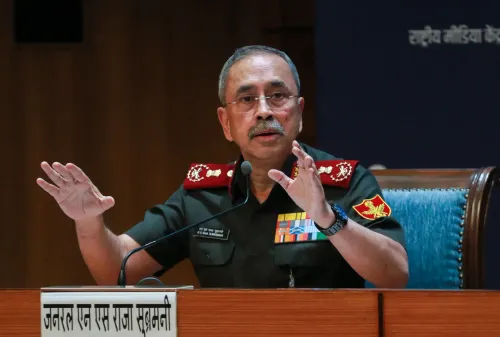
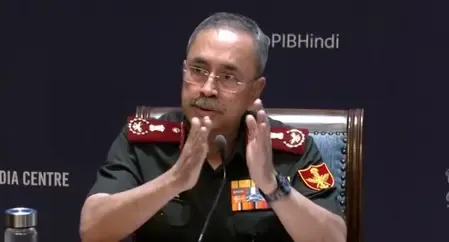
CDS General NS Raja Subramani confirmed the decision at a press conference.
25% of Agniveers continue to be guaranteed induction into the regular army; the remaining 75% now also get an absorption opportunity based on willingness and operational efficiency.
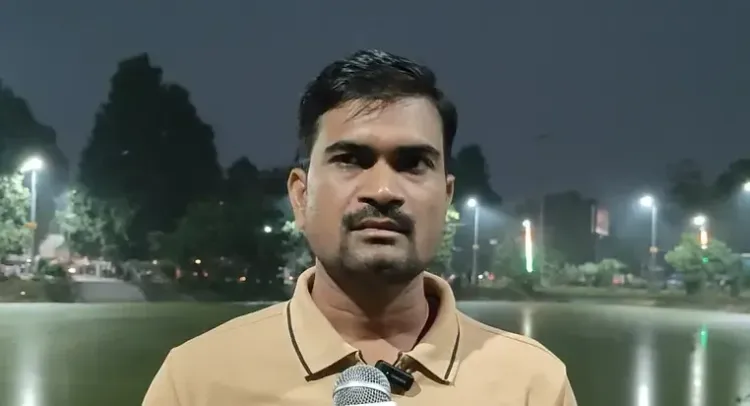
Aspirants in Sikar, Rajasthan and Hardoi, Uttar Pradesh described the move as 'positive and progressive'.
The revision is the most significant structural change to the Agniveer programme since its 2022 launch.
Chief of Defence Staff (CDS) General NS Raja Subramani on 4 November 2026 announced that the Union Cabinet has approved a two-year extension to the Agniveer scheme, taking the total service tenure from four years to six years. The move also opens a pathway for absorption of Agniveers as regular soldiers at the end of the extended period, subject to meeting selection criteria.
What the Revised Scheme Offers
Under the revamped framework, 25% of Agniveers will be inducted directly into the regular army, as was the case under the original scheme. Crucially, the remaining 75% will now also be given an additional opportunity to apply for absorption into the Armed Forces — contingent on their willingness and operational efficiency. This effectively widens the door for a larger share of recruits to pursue a full military career.
Aspirants Welcome the Decision
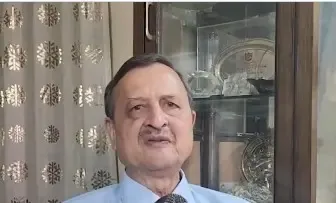
The announcement has been received positively by youth preparing for Agniveer recruitment examinations across the country. In Sikar district, Rajasthan, several students said the extended tenure has boosted their morale and raised their expectations of a longer career in uniform. Many described the move as 'positive and progressive', arguing it makes the scheme significantly more appealing.
In Hardoi district, Uttar Pradesh, recruitment aspirants echoed similar sentiments. Siddharth Singh Chauhan, who is preparing for Agniveer screening in Hardoi, noted that two of his cousins have already been selected as Agniveers. Inspired by them, he said he is now preparing with the goal of joining the Army and serving the nation. He added that he was more than ready to serve.
Devendra Singh, Siddharth's maternal uncle, also welcomed the Cabinet's decision. He remarked: 'This initiative is in the best interest of the youth and deserves to be welcomed,' adding that the move offers young men a credible chance to build a future within the Army.
Background: Why the Extension Was Needed
The Agniveer scheme, launched in 2022, had drawn criticism from opposition parties and former servicemen who argued that a four-year tenure was too short to deliver meaningful military experience or adequate post-service employment prospects. The scheme's permanency retention rate — capped at 25% — was seen as a deterrent for many potential recruits who sought a stable career rather than a short-term stint. Notably, calls for revision grew louder in the lead-up to recent state elections, with several political parties pledging to overhaul or scrap the scheme.
The two-year extension and the expanded absorption opportunity represent the government's most significant structural revision to the Agniveer programme since its inception.
What Happens Next
Agniveers currently serving under the original four-year contract are expected to be covered by the revised terms, though the precise eligibility criteria and selection process for the extended absorption window are yet to be formally notified. Defence Ministry officials are anticipated to issue detailed guidelines in the coming weeks. For the large cohort of youth currently preparing for Agniveer examinations, the revised framework offers a materially stronger incentive to enlist.
Point of View
The structural inequity of the original scheme survives in a new form. The government has responded to political pressure, but it has not yet published the selection framework that will determine whether this is a genuine career pathway or a managed optics exercise. That notification, when it comes, will matter far more than today's announcement.
NationPress
4 Nov 2026
Frequently Asked Questions
What is the Agniveer service extension announced in November 2026?
The Union Cabinet approved an extension of the Agniveer military service tenure from four years to six years on 4 November 2026. CDS General NS Raja Subramani announced the decision, which also creates an expanded opportunity for Agniveers to be absorbed as regular soldiers at the end of the extended period.
Will all Agniveers now be absorbed into the regular Army?
Not automatically, but the revised scheme gives all Agniveers — not just the guaranteed 25% — an opportunity to apply for absorption into the Armed Forces after the six-year tenure, subject to their willingness and meeting operational efficiency criteria. Detailed selection guidelines are yet to be formally notified.
Why was the Agniveer scheme revised?
The original four-year tenure had attracted criticism from opposition parties, former servicemen, and aspirants who felt the short contract offered limited career prospects and inadequate post-service support. Political pressure and declining enrolment interest were key factors behind the revision.
Who is affected by the Agniveer service extension?
The extension applies to current and future Agniveer recruits across all three services — Army, Navy, and Air Force. Aspirants currently preparing for recruitment examinations, particularly in states like Rajasthan and Uttar Pradesh, stand to benefit from the more attractive terms.
When will the new Agniveer rules come into effect?
The Cabinet decision was announced on 4 November 2026. Formal eligibility criteria and the selection process for the extended absorption window are expected to be notified by the Defence Ministry in the coming weeks.