Agniveer scheme: 75% not retained as regulars get 2-year extension, says CDS Subramani
Synopsis
The first batch of 18,000 Agniveers is weeks from retirement, and the Cabinet just changed the rules — 75% who miss the regular-soldier cut will now get a two-year extension with higher pay and a shot at eventual regularisation. It is the most significant modification to the contested Agnipath scheme since its 2022 launch.
Key Takeaways
Union Cabinet on 4 November 2026 approved a two-year service extension for Agniveers not selected as regular soldiers after their initial four-year term.
Up to 25 per cent of Agniveers are inducted as regulars after four years; the remaining 75 per cent will now be eligible for the extended term.
Performance during the second term — covering fitness, discipline, motivation, and technical skills — will determine eligibility for eventual regular service.
During the extended term, Agniveers receive higher pay and an increased service fund; the total financial package upon completion is approximately ₹10.92 lakh .
Agniveers regularised after the second term will be ranked in seniority below those inducted as regulars in the first phase.
The first cohort of approximately 18,000 Agniveers is due to retire in December 2026 — the immediate backdrop for this decision.
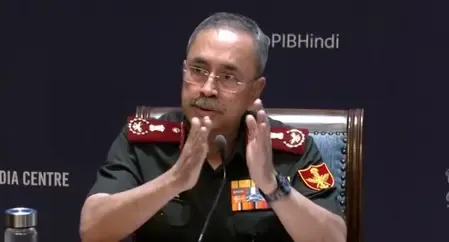
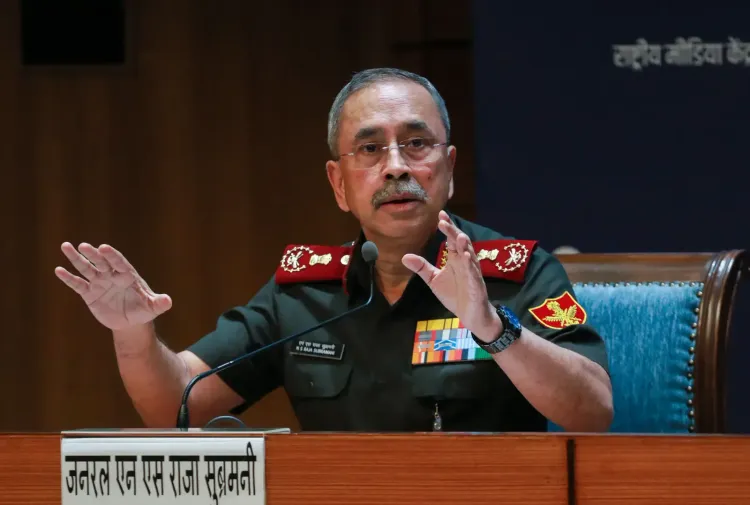
The four-year service tenure under the Agnipath scheme remains unchanged, but Chief of Defence Staff (CDS) General NS Raja Subramani on 4 November 2026 confirmed that Agniveers not selected as regular soldiers after their initial term will now have the option to serve for an additional two years. The clarification followed a Union Cabinet decision taken the same day, arriving months before the first batch of approximately 18,000 Agniveers is due to retire from the armed forces in December 2026.
What the Cabinet Has Decided
Under the existing framework, up to 25 per cent of Agniveers who complete four years of service are inducted as regular soldiers. The remaining 75 per cent will now be offered a second service term of two years, giving them a pathway to continue in uniform rather than exit at the four-year mark. CDS Subramani emphasised that the four-year tenure itself has not been modified — the extension is an additional opportunity layered on top of it.
Upon completing the second term, each Agniveer's performance will be assessed on factors including physical fitness, motivation, morale, discipline, and technical proficiency. Those who meet the prescribed standards and whose profiles align with organisational requirements may then be considered for regular service. The CDS noted that both the Agniveer's willingness and the armed forces' operational needs would guide selection, with objective, merit-based criteria throughout.
Seniority and Career Progression
General Subramani clarified the seniority hierarchy for those eventually regularised. Agniveers inducted as regular soldiers after the initial four-year phase will hold higher seniority. Those regularised after completing the second two-year term will be placed immediately after them in the seniority order. He stressed that non-selection after the first phase is not a reflection of capability — the process is strictly merit-based, with large numbers competing for a fixed percentage of slots.
Pay and Financial Benefits
The CDS outlined the salary structure for Agniveers: ₹30,000 per month in the first year, rising to ₹43,500 in the second year and ₹47,500 in the third year. During the second service term, Agniveers will receive higher pay and an increased service fund benefit. The government will continue contributing 70 per cent of the total contribution. Upon completing the full extended service period, the total financial package received by an Agniveer would amount to approximately ₹10.92 lakh.
Why This Matters
The Agnipath scheme, launched in 2022, was designed to lower the age profile of India's three armed services through short-term induction. It drew significant political controversy on its announcement, with critics arguing that four years was insufficient for a meaningful military career and that the exit pipeline lacked adequate absorption mechanisms. The Cabinet's latest modification is widely seen as a direct response to those concerns, particularly with the first cohort's retirement imminent.
Notably, retaining trained and experienced personnel for a longer period also addresses an institutional concern: the armed forces invest heavily in the first four years of an Agniveer's training, and an abrupt exit at that point means losing operational readiness built at significant cost. The two-year extension allows that investment to generate returns over a longer horizon.
What Happens Next
The provision for regularisation after the extended term signals that the government is keeping the door open for a larger share of Agniveers to eventually serve as career soldiers, subject to performance and organisational need. The first batch of Agniveers completing their four-year tenure in December 2026 will be among the first to be assessed under the new framework. How the armed forces implement the objective selection criteria — and how many are ultimately retained — will determine whether this modification meaningfully addresses the scheme's contested legacy.
Point of View
000 veterans about to leave uniform simultaneously. Yet the core tension of Agnipath remains unresolved: if the two-year extension simply defers the same exit problem by 24 months without a credible and transparent regularisation pipeline, it risks repeating the same cycle. The seniority hierarchy — first-phase regulars ranked above second-phase regulars — also embeds a structural ceiling that may disincentivise the best performers from opting in. The real test will be in the numbers: how many of the 75 per cent actually get regularised, and on what timeline.
NationPress
4 Nov 2026
Frequently Asked Questions
What is the new Agniveer two-year service extension?
The Union Cabinet on 4 November 2026 approved an option for Agniveers who are not selected as regular soldiers after completing their four-year term to serve for an additional two years. This extension comes with higher pay and an increased service fund, and performance during this period will be assessed for possible eventual regularisation.
Does the four-year Agniveer tenure change under the new decision?
No. CDS General NS Raja Subramani explicitly clarified that the four-year service tenure remains unchanged. The two-year extension is an additional option available to those not retained as regular soldiers at the end of the initial term — it does not alter the original structure.
What financial benefits will Agniveers receive during the extended term?
During the second two-year service term, Agniveers will receive higher pay and an increased service fund benefit. The government will continue contributing 70 per cent of the total contribution, and the total financial package upon completing the extended period is approximately ₹10.92 lakh.
Who is affected by this decision and when does it take effect?
The decision primarily affects the approximately 18,000 Agniveers from the first batch who are due to retire in December 2026. Those not selected among the top 25 per cent for regular service will now have the option to continue for two more years under the new framework.
What is the Agnipath scheme and why has it been controversial?
Launched in 2022, the Agnipath scheme introduced short-term four-year induction of personnel into the armed forces to lower the average age of the three services. It drew controversy over concerns that the short tenure left most recruits without a full military career and that post-service absorption avenues were inadequate — concerns the latest Cabinet decision directly attempts to address.