18,300 Agniveers begin transition: Yoga, psych tests, 50% CAPF quota
Synopsis
The Agnipath scheme faces its biggest test yet: nearly 18,300 trained, combat-ready Agniveers are about to re-enter civilian life. With a 50% CAPF quota, an ₹11.20 lakh corpus, and a bespoke yoga programme in place, officials are racing against the clock — because, as they acknowledge, delay raises the very real risk of criminal networks recruiting these highly trained young men.
Key Takeaways
Nearly 18,300 Agniveers from the Agnipath scheme's first batch will be discharged over the next two months .
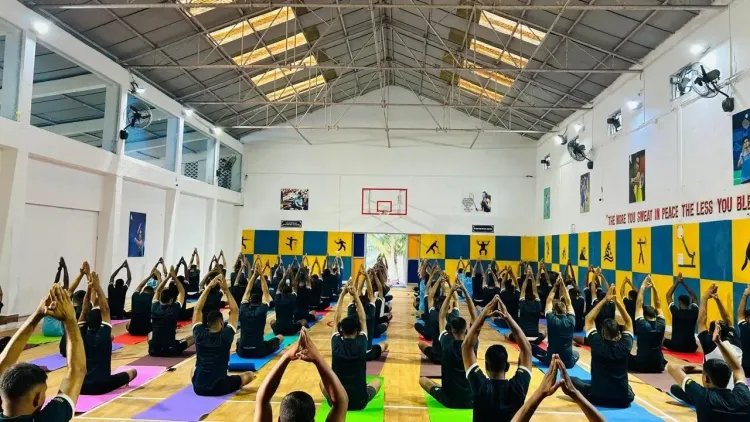
The three armed forces have launched medical tests, psychological evaluations, and an eight-week yoga capsule to ease the transition.
CAPFs and Assam Rifles will reserve 50 per cent of general duty constable and rifleman vacancies for Agniveers, with no written exam or physical test required.
Each discharged Agniveer will receive approximately ₹11.20 lakh from the Seva Nidhi corpus.
Officials have warned that delayed re-employment raises the risk of depression and potential recruitment by criminal networks.
Under the Agnipath scheme (launched 2022 ), 25 per cent of recruits are retained permanently; the remaining 75 per cent serve four years and are discharged.
Nearly 18,300 Agniveers from the first batch under the Agnipath scheme are set to return to civilian life over the next two months, with the Indian Army, Navy, and Air Force deploying a structured transition programme that includes medical screenings, psychological evaluations, and a specially designed eight-week yoga capsule. The discharge process, playing out across regimental centres and unit bases nationwide, marks the first time the Indian armed forces have managed a demobilisation of this scale under the scheme.
What the Transition Programme Covers
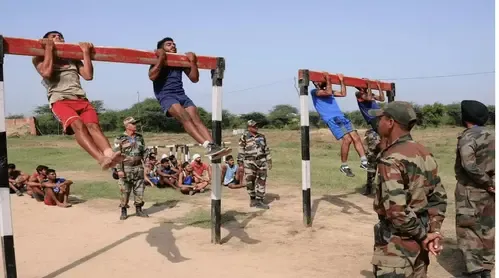
Departing Agniveers are undergoing full medical checks and psychological evaluations at their respective regimental centres. Alongside, an eight-week yoga capsule — developed specifically for this cohort — has been introduced to address both physical readiness and mental well-being ahead of their civilian re-entry.
'The structured yoga capsule focuses on enhancing physical fitness, mental well-being and mindfulness, equipping the Agniveers with the tools for a healthy, balanced and confident transition to civilian life,' an official said.
Senior officials are maintaining close oversight of the discharge process, given that this is the first operational test of the scheme's exit mechanism.
Employment Pathways After Discharge
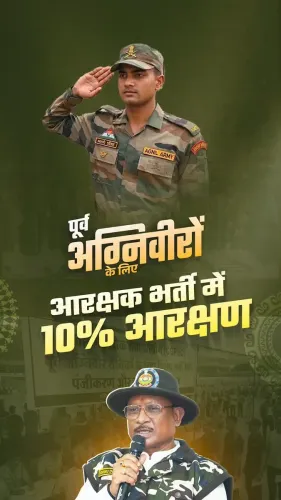
The Central Armed Police Forces (CAPFs) and the Assam Rifles will offer 50 per cent reservation to discharged Agniveers for the posts of general duty constables and riflemen. Crucially, these candidates will be exempt from both written examinations and physical fitness tests, providing a significantly faster route to re-employment in uniform.
The Indian Coast Guard will separately absorb a number of Agniveers discharged by the Navy. State governments have also reportedly come forward with job offers for the returning personnel.
'Steps have already been taken to get them absorbed into the CAPFs and the Assam Rifles,' an official confirmed, adding that discussions with the private sector are also ongoing. Those wishing to enter entrepreneurship will receive backing from the respective services.
The Financial Cushion and Employability
Each Agniveer leaving the forces will return home with approximately ₹11.20 lakh in their Seva Nidhi corpus account, in addition to personal savings accumulated over four years of service. Officials described the outgoing cohort as 'fit, combat-trained, and highly employable,' with certifications across multiple technical and operational skills.
Under the Agnipath scheme, launched in 2022, 25 per cent of each recruitment batch is retained and regularised into the permanent cadre of the armed forces, while the remaining 75 per cent are discharged after a four-year stint.
The Risk Factor Officials Are Watching
Senior officials have flagged that the speed of re-employment is critical. A prolonged gap between discharge and civilian absorption risks frustration, and according to officials, could expose trained personnel to approaches from criminal networks.
'The longer the delay, the greater the chance of frustration and depression setting in. There is also the risk of criminal gangs trying to use their services, given their level of training,' an official warned, underscoring the urgency behind the placement drives.
Why This Moment Is Decisive for Agnipath
This transition phase is widely seen as the most consequential test of the Agnipath scheme since its launch. Supporters argue that a well-managed exit — backed by guaranteed CAPF quotas and private sector pathways — will validate the scheme's design. Critics of the programme, who have questioned it since inception, will be watching whether employment promises translate into outcomes on the ground. The success or failure of this first discharge cycle is likely to shape political and policy debates around the scheme for years to come.
Point of View
And that trained, under-employed young men represent a security risk. That admission is notable: it shifts the burden of proof from the critics of Agnipath to the government machinery responsible for delivering on its promises. If the absorption pipeline jams in the next 60–90 days, the political fallout will be significant, and no amount of yoga capsules will substitute for verified placement numbers.
NationPress
26 Oct 2026
Frequently Asked Questions
What is the Agnipath scheme and why are Agniveers being discharged now?
The Agnipath scheme, launched in 2022, enlists recruits for a fixed four-year stint in the Army, Navy, or Air Force, after which 25 per cent are retained permanently and the rest are discharged. The first batch of nearly 18,300 Agniveers has now completed their four-year term, triggering the first large-scale discharge cycle under the scheme.
What support are Agniveers receiving during their transition to civilian life?
Departing Agniveers are undergoing medical tests and psychological evaluations at regimental centres, and a specially designed eight-week yoga capsule has been introduced to support their physical and mental readiness. They will also receive approximately ₹11.20 lakh from the Seva Nidhi corpus upon discharge.
What job reservations exist for discharged Agniveers?
The Central Armed Police Forces (CAPFs) and Assam Rifles will reserve 50 per cent of vacancies for general duty constables and riflemen for discharged Agniveers, who will also be exempt from written exams and physical tests. The Coast Guard will additionally absorb Agniveers discharged from the Navy, and state governments have reportedly offered further employment opportunities.
Why are officials stressing the urgency of re-employment for Agniveers?
Officials have warned that any prolonged delay between discharge and re-employment raises the risk of frustration and depression among the returning personnel. They have also flagged the possibility of criminal networks attempting to recruit these individuals, given their combat training and high fitness levels.
How does this transition phase affect the long-term viability of the Agnipath scheme?
The discharge and re-absorption of the first batch is widely regarded as the most critical test of the Agnipath scheme since its 2022 launch. Supporters argue a smooth transition validates its design, while critics will scrutinise whether the employment guarantees — CAPF quotas, private sector links, entrepreneurship support — are fulfilled in practice rather than on paper.