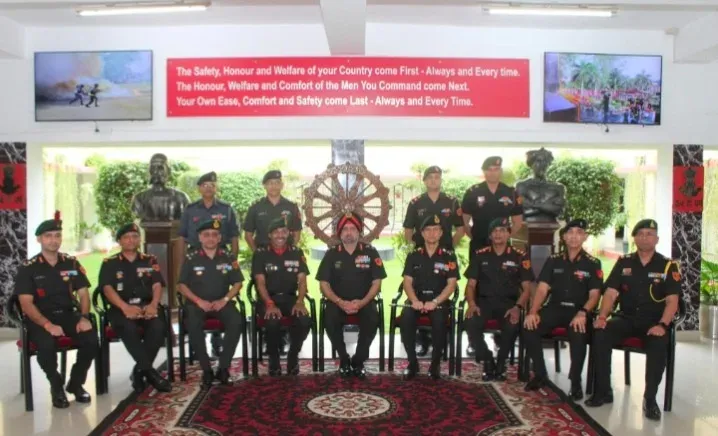
GOC Lt Gen Pawan Chadha reviews Agniveer training at Danapur, Ramgarh
Synopsis
Senior Army commander Lt Gen Pawan Chadha's two-day tour of Danapur and Ramgarh cantonments reveals a quiet but significant shift: the Indian Army is treating psychological conditioning and post-service reintegration of Agniveers — 75 per cent of whom will leave after four years — as a frontline operational concern, not an afterthought.
Key Takeaways
Lt Gen Pawan Chadha , GOC Trinity Area, visited Danapur Cantonment on Wednesday and Ramgarh Cantonment a day earlier.
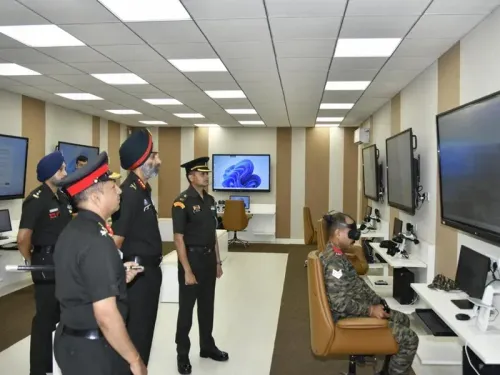
He reviewed training, infrastructure, and HADR preparedness across the Jharkhand and Bihar Sub Area .
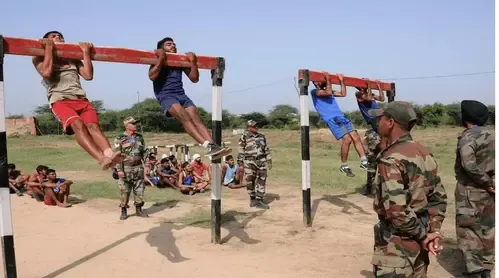
The GOC interacted with the 9th batch of Agniveers at Ramgarh and emphasised psychological conditioning at the Bihar Regimental Centre.
Approximately 75 per cent of Agniveers exit the armed forces after four years ; only the top 25 per cent are retained.
The Navchetana Kendra at Ramgarh's military hospital provides counselling to Army family members aged 10 to 19 .
Eastern Command confirmed the GOC appreciated 'high training standards' and 'robust psychological assessment' at both cantonments.
Lieutenant General Pawan Chadha, General Officer Commanding (GOC), Trinity Area, on Wednesday visited the Jharkhand and Bihar Sub Area at Danapur Cantonment, reviewing training standards, infrastructure, and Humanitarian Assistance and Disaster Relief (HADR) preparedness. The visit, confirmed by the Army's Eastern Command, underscores heightened attention to the welfare and psychological conditioning of Agniveers — the short-service soldiers at the centre of India's military recruitment overhaul.
Key Developments at Danapur
At the Bihar Regimental Centre in Danapur, Lt Gen Chadha interacted with officers and troops, discussing operational issues and emphasising focused training and psychological conditioning of Agniveers. He also reviewed academics and student support at the Army Public School, Danapur, directing authorities to conduct regular evaluations and undertake infrastructure upgrades to improve learning conditions.
Ramgarh Cantonment Visit
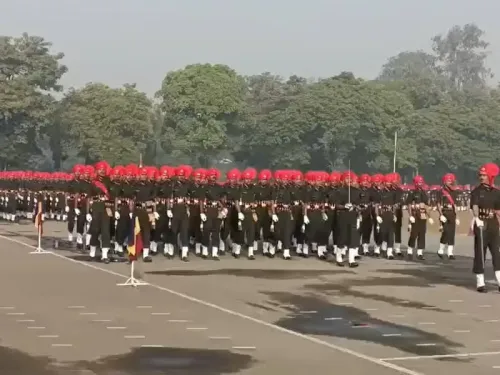
A day earlier, Lt Gen Chadha, accompanied by the GOC of the Jharkhand and Bihar Sub Area, visited Ramgarh Cantonment, home to the Punjab and Sikh Regimental Centres. He reviewed training infrastructure and urged officers to upgrade training modules in line with current Army requirements. The GOC also interacted with the 9th batch of Agniveers currently undergoing training at the cantonment.
Mental Health and Welfare Initiatives
Lt Gen Chadha visited the Navchetana Kendra at the military hospital in Ramgarh, a facility catering to young people aged 10 to 19 from Army families. The centre provides guidance and confidential counselling on mental health, relationships, stress management, nutrition, and overall well-being, supported by clinical psychology experts. He also reviewed medical and dental facilities, station infrastructure, and the Supply Company at the unit.
According to reports, the Eastern Command noted that 'the GOC appreciated the high training standards, robust psychological assessment and innovative initiatives towards enhancing quality of life and infrastructure.'
Why Agniveer Psychological Support Matters
An official highlighted a structural challenge at the heart of the Agniveer scheme: approximately 75 per cent of recruits will exit the armed forces after a mandatory four-year service period, with only the top 25 per cent eligible for permanent retention. This prospect, officials acknowledge, can affect the self-esteem of those not selected for continuation.
'The Agniveers will gain special skills as soldiers in the four years they serve. It has to be ensured that they do not go astray once they return to society. That is why regular counselling and psychological evaluation are important,' the official said.
While the scheme assures financial support, tradecraft training, and recruitment opportunities post-service, the psychological dimension has emerged as a priority area for senior commanders. With the Eastern Command now formally flagging this in official communications, structured mental health support appears set to become a standard feature of Agniveer training cantonments going forward.
Point of View
Training them as soldiers, and then releasing three-quarters of them back into civilian life within four years creates a reintegration risk that financial packages alone cannot address. The Eastern Command's decision to publicise this — including the candid official quote about recruits not going 'astray' — suggests the institution is getting ahead of a potential narrative problem. What remains to be seen is whether the counselling infrastructure being praised at Ramgarh and Danapur is being replicated systematically across all Agniveer training centres, or whether it remains a showcase capability for senior visits.
NationPress
20 Sept 2026
Frequently Asked Questions
What did GOC Lt Gen Pawan Chadha review at Danapur and Ramgarh cantonments?
Lt Gen Pawan Chadha reviewed training standards, infrastructure, and HADR preparedness at Danapur Cantonment, and training infrastructure at the Punjab and Sikh Regimental Centres in Ramgarh Cantonment. He also assessed welfare and psychological support facilities for Agniveers at both locations.
What is the Agniveer scheme and why is psychological support a concern?
The Agniveer scheme is India's short-service military recruitment programme under which soldiers serve for four years. Since approximately 75 per cent of recruits are not retained beyond this period, officials have flagged that the prospect of non-retention can affect self-esteem, making regular counselling and psychological evaluation critical.
What is the Navchetana Kendra at Ramgarh?
The Navchetana Kendra is a centre at the military hospital in Ramgarh Cantonment that provides confidential guidance and counselling to young people aged 10 to 19 from Army families. It covers mental health, relationships, stress management, nutrition, and overall well-being, supported by clinical psychology experts.
Which regimental centres are located at Ramgarh Cantonment?
Ramgarh Cantonment houses the Punjab Regimental Centre and the Sikh Regimental Centre. Lt Gen Chadha reviewed training infrastructure at both centres and urged officers to upgrade training modules in line with Army requirements.
Which batch of Agniveers did the GOC interact with at Ramgarh?
Lt Gen Chadha interacted with the 9th batch of Agniveers currently undergoing training at Ramgarh Cantonment during his visit.