PM Modi honours Rani Lakshmibai on birth anniversary, cites undying duty and self-respect
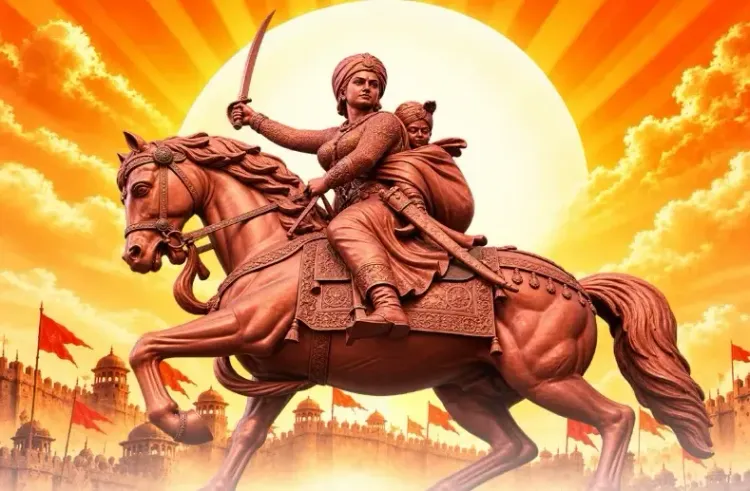
Synopsis
On Rani Lakshmibai's birth anniversary, Prime Minister Modi, Home Minister Amit Shah, and UP Chief Minister Yogi Adityanath each paid tribute to the warrior queen of Jhansi — invoking her 1857 resistance against British rule as an enduring model of duty, self-respect, and national sacrifice that resonates as powerfully today as it did over 160 years ago.
Key Takeaways
PM Narendra Modi paid tribute to Rani Lakshmibai on her birth anniversary on 19 November , honouring her courage and sacrifice via a post on X .
Home Minister Amit Shah described her as 'a symbol of women's strength' and recalled her role in the First War of Independence in 1857 .
UP Chief Minister Yogi Adityanath called her sacrifice 'an enduring flame of self-respect burning in every Indian's heart.' Rani Lakshmibai, born Manikarnika Tambe , is believed to have been born in Varanasi around 19 November 1828 , though historians differ on her exact birth year.
She died on 17 or 18 June 1858 near Gwalior , having led one of the most prominent armed resistances against British colonial rule.
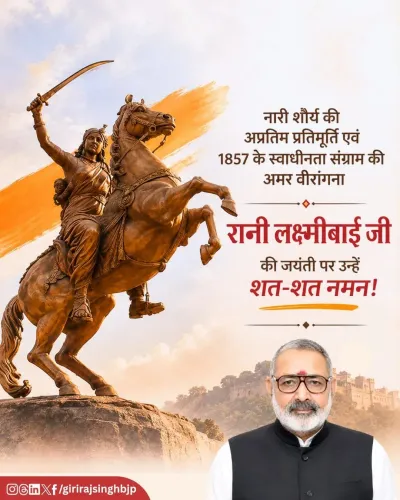
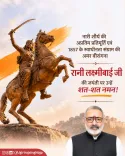
Prime Minister Narendra Modi on Thursday, 19 November paid tribute to Rani Lakshmibai on her birth anniversary, remembering the legendary warrior queen of Jhansi for her exceptional valour and her unwavering commitment to duty even under the most extreme circumstances. The Prime Minister took to social media platform X to share his tribute in Hindi.
'On her birth anniversary, I pay my deepest respects to Rani Lakshmibai, the valiant daughter of Mother India. Even in the most trying circumstances, she never compromised on her duty or self-respect. The story of her indomitable courage and extraordinary valour in the fight against foreign rule will continue to inspire every generation of this country to sacrifice everything for the motherland,' Modi said.
Key Tributes from Central and State Leadership
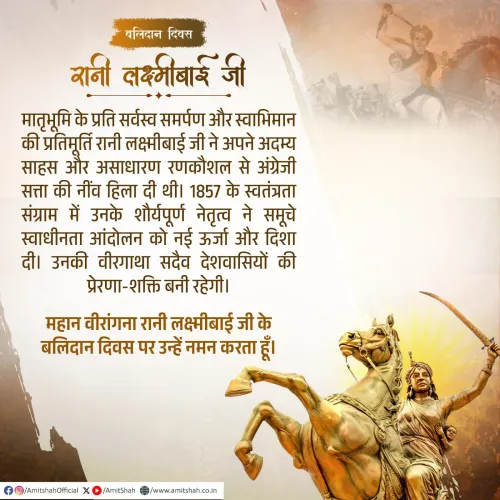
Union Home Minister Amit Shah also paid homage to Rani Lakshmibai, describing her as 'a symbol of women's strength, courage, and patriotism.' Shah specifically recalled her role in the First War of Independence in 1857, saying she had sacrificed everything for the freedom of her motherland.
'Rani Lakshmibai, the valiant queen who displayed unparalleled courage by challenging British rule during the First War of Independence in 1857, sacrificed everything for her motherland's freedom. Her selflessness, valour, and patriotism will continue to inspire the people of this country for generations to come,' Shah said.
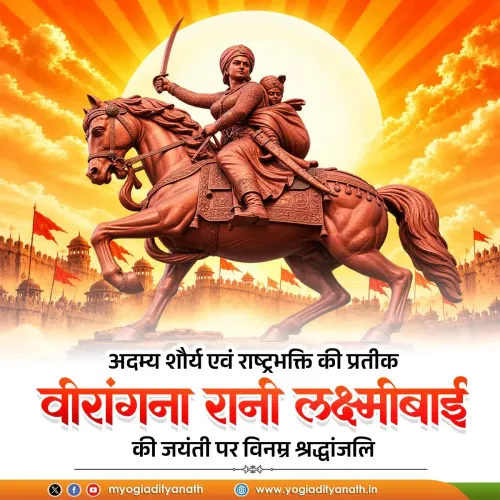
Uttar Pradesh Chief Minister Yogi Adityanath, in a post on X, called her courage and sacrifice 'not merely chapters of history but an enduring flame of self-respect burning in every Indian's heart.' He added: 'Her life will continue to inspire every daughter with courage, self-respect, and service to the nation.'
Who Was Rani Lakshmibai
Born Manikarnika Tambe, Rani Lakshmibai is believed to have been born in Varanasi — then known as Kashi — around 19 November 1828, though historians differ over her precise year of birth. She was raised in the household of Peshwa Baji Rao II, where she received an unusually martial upbringing for a girl of her era, learning horse riding and sword fighting alongside companions who would later become prominent 1857 figures — including Nana Sahib and Tantia Tope.
She married Gangadhar Rao, the Maharaja of Jhansi, taking the name Lakshmibai. Following her husband's death and the British refusal to recognise their adopted heir, tensions with the colonial administration escalated sharply, setting the stage for her central role in the uprising.
Her Role in the 1857 Uprising
During the 1857–58 revolt, Lakshmibai emerged as one of the most commanding leaders of the resistance against British authority. She fought with exceptional determination and fell on 17 or 18 June 1858, near Gwalior. Her legacy has since become one of the most enduring symbols of anti-colonial resistance, patriotism and women's resilience in Indian national memory.
Why the Anniversary Matters Today
The birth anniversary of Rani Lakshmibai is observed annually across India as an occasion to reaffirm the values of national sacrifice and sovereignty. The fact that the Prime Minister, Home Minister and multiple chief ministers publicly marked the occasion reflects the continued political and cultural weight her legacy carries — particularly at a time when narratives of national identity and historical pride hold prominent public resonance. Notably, Jhansi — the seat of her resistance — falls in Uttar Pradesh, lending the occasion additional political salience for the state's leadership.
Point of View
But the uniformity of messaging from the Prime Minister, Home Minister and a chief minister on a single day points to something beyond ceremonial remembrance — it is a deliberate layering of the 1857 resistance narrative onto a contemporary politics of national identity. That Yogi Adityanath's tribute particularly emphasises her as an inspiration for 'every daughter' reflects a dual strand: historical pride and a governance-era framing of women's empowerment. What mainstream coverage rarely examines is how the Queen of Jhansi's legacy is simultaneously a genuinely pan-Indian symbol and a contested historical figure whose story, depending on the telling, can support very different political readings.
NationPress
19 Nov 2026
Frequently Asked Questions
When is Rani Lakshmibai's birth anniversary?
Rani Lakshmibai's birth anniversary falls on 19 November. She is believed to have been born around 19 November 1828 in Varanasi, though historians differ on her exact year of birth.
What did PM Modi say on Rani Lakshmibai's birth anniversary?
PM Modi posted a tribute on X saying that even in the most trying circumstances, Rani Lakshmibai never compromised on her duty or self-respect, and that her courage in the fight against foreign rule would inspire generations to sacrifice for the motherland.
Who else paid tribute to Rani Lakshmibai on 19 November 2026?
Union Home Minister Amit Shah and Uttar Pradesh Chief Minister Yogi Adityanath also paid tribute. Shah called her a symbol of women's strength and patriotism, while Adityanath described her sacrifice as an enduring flame of self-respect.
What was Rani Lakshmibai's role in the 1857 uprising?
Rani Lakshmibai was one of the most prominent leaders of the 1857–58 armed resistance against British colonial rule. She fought with exceptional determination and died on 17 or 18 June 1858 near Gwalior, becoming an enduring symbol of anti-colonial resistance.
What was Rani Lakshmibai's original name and background?
She was born Manikarnika Tambe and raised in the household of Peshwa Baji Rao II, where she learned horse riding, sword fighting and other martial skills. She married Gangadhar Rao, the Maharaja of Jhansi, and became known as Lakshmibai.