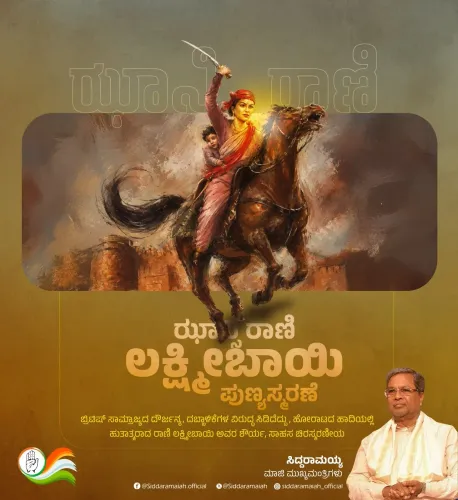
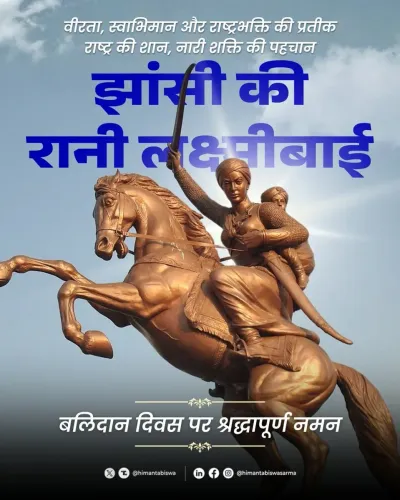
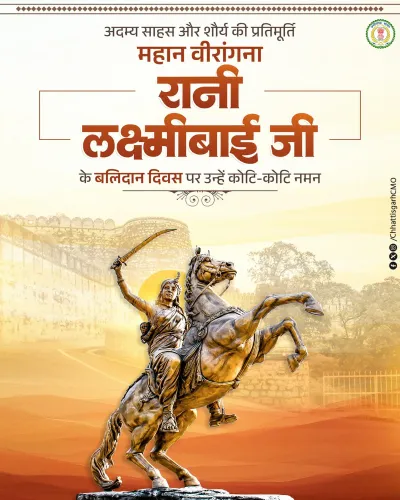
Amit Shah Pays Tribute to Rani Lakshmibai on Balidan Diwas
Synopsis
Union Home Minister Amit Shah on 18 June 2026 honoured Rani Lakshmibai on her Balidan Diwas, calling her an embodiment of sacrifice and self-respect whose leadership in the 1857 War of Independence gave the freedom movement fresh energy and direction.
Key Takeaways
Amit Shah posted a tribute to Rani Lakshmibai on her Balidan Diwas, 18 June 2026 .
Rani Lakshmibai (1828–1858) was the Queen of Jhansi who fought British forces during the 1857 Revolt .
Shah credited her with shaking the foundations of British power through her 'indomitable courage and extraordinary military skill.' The 1857 uprising is officially recognised by the Indian government as the First War of Independence .
Annual 18 June tributes from Union ministers have been a consistent practice since 2014 , reflecting the government's emphasis on 1857-era figures.
State-level commemorative events are typically held in Jhansi and Gwalior around this date each year.
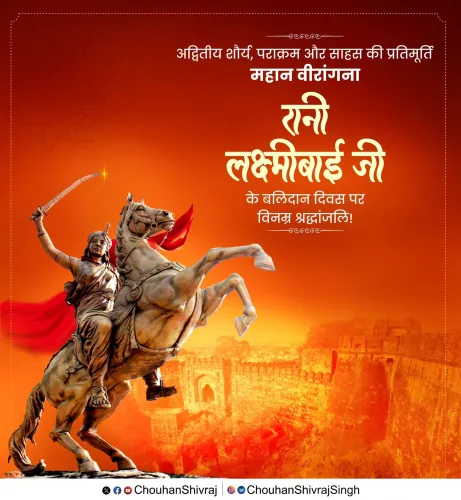
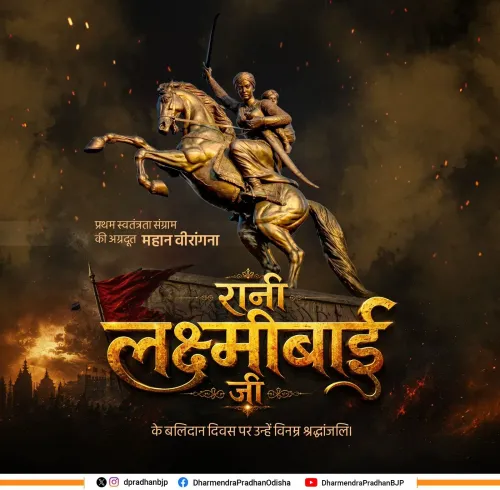
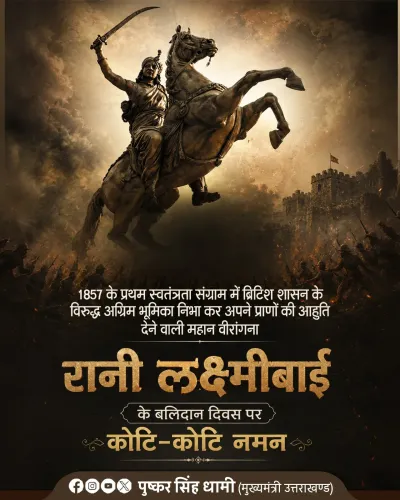
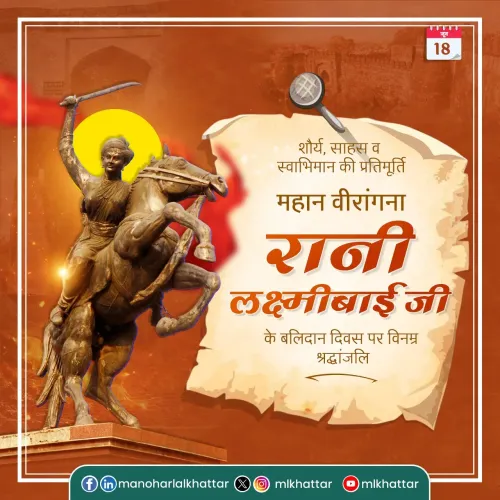
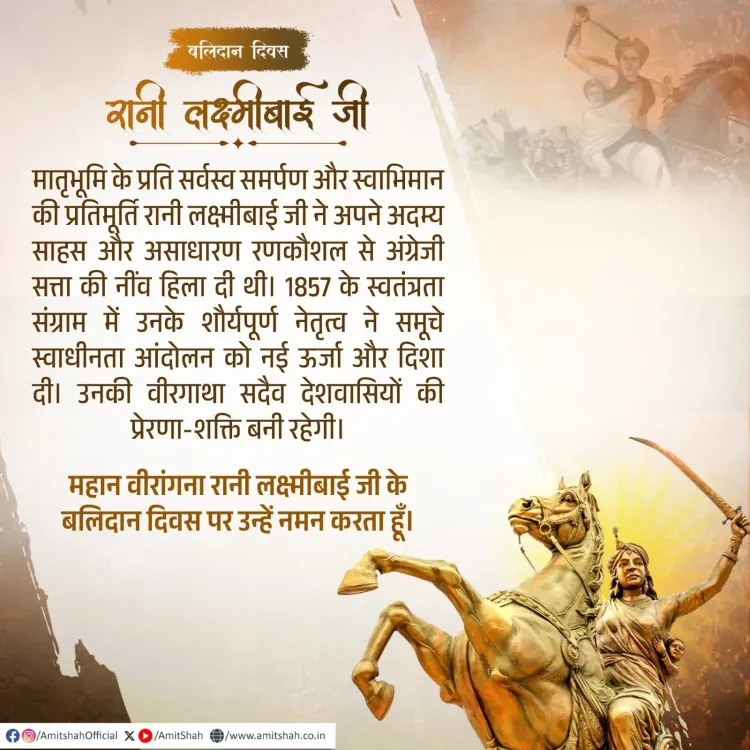
Union Home Minister Amit Shah on Thursday, 18 June 2026, paid tribute to Rani Lakshmibai of Jhansi on her Balidan Diwas (martyrdom anniversary), honouring the 1857 leader as an eternal symbol of courage, self-respect, and total dedication to the motherland.
Context
In his post, Amit Shah described Rani Lakshmibai as 'maatrubhoomi ke prati sarvasva samarpan aur swabhimaan ki pratimoorti' — 'an embodiment of total dedication to the motherland and self-respect' — crediting her with shaking the very foundations of British power through her 'indomitable courage and extraordinary military skill.' He wrote that her valiant leadership in the 1857 War of Independence gave fresh energy and direction to the entire freedom movement, and that her saga of bravery would remain a source of inspiration for Indians forever. The minister concluded: 'Mahan veerangana Rani Lakshmibai ji ke balidan diwas par unhe naman karta hoon' — 'I bow in reverence to the great warrior-woman Rani Lakshmibai on her day of martyrdom.'
Policy Backdrop
Rani Lakshmibai was born in 1828 and died on 18 June 1858 during the siege of Gwalior, fighting British forces in one of the final major engagements of the 1857 Revolt. The uprising, which involved sepoys, rulers, and civilians across northern and central India, is officially recognised by the Indian government as the First War of Independence. Since 2014, Union ministers have issued annual tributes on 18 June to mark her martyrdom anniversary, as part of a broader governmental emphasis on figures from the 1857 era. This practice reflects a sustained effort to integrate regional martial histories — particularly those of warrior-queens and indigenous resistance leaders — into the national commemorative calendar.
Stakeholders and Impact
The tribute is addressed to Indian citizens at large, reinforcing Rani Lakshmibai's place in the national consciousness as a figure who transcends regional identity. Her legacy is particularly resonant in Jhansi, Gwalior, and across Uttar Pradesh and Madhya Pradesh, where she is celebrated through memorials, educational curricula, and annual state-level ceremonies. The BJP leadership's consistent public marking of such anniversaries through social media amplifies themes of sacrifice and indigenous resistance to a national audience.
What's Next
State governments in Uttar Pradesh and Madhya Pradesh are expected to hold commemorative events in Jhansi and Gwalior around 18 June each year. Observers will watch for any new memorial proposals, curriculum updates, or renaming initiatives tied to 1857 figures in the coming months. The annual rhythm of such tributes signals that the commemoration of Rani Lakshmibai and her contemporaries will remain a fixture of official public discourse.
Point of View
Embedding themes of indigenous resistance and martial sacrifice into mainstream political discourse. By framing Lakshmibai's legacy as a source of 'fresh energy and direction' for the entire freedom movement, the tribute elevates her beyond regional icon status to a pan-Indian symbol. This approach serves a dual purpose: it reinforces the party's nationalist cultural agenda while also resonating with voters in key states like Uttar Pradesh and Madhya Pradesh where her memory is deeply woven into local identity. The social-media format ensures wide reach, making commemorative politics an integral part of the government's communication strategy.
NationPress
25 Sept 2026
Frequently Asked Questions
When is Rani Lakshmibai's Balidan Diwas?
Rani Lakshmibai's Balidan Diwas (martyrdom day) falls on 18 June each year, marking the date she died in 1858 during the siege of Gwalior while fighting British forces.
Why did Amit Shah pay tribute to Rani Lakshmibai?
Amit Shah paid tribute on 18 June 2026 to mark Rani Lakshmibai's Balidan Diwas, honouring her courage, military leadership, and sacrifice during the 1857 War of Independence.
Who was Rani Lakshmibai and why is she important?
Rani Lakshmibai (1828–1858) was the Queen of Jhansi who became one of the most prominent leaders of the 1857 Revolt against British rule, and is celebrated as an enduring symbol of resistance and women's leadership in India's freedom struggle.
What was the 1857 revolt?
The 1857 Revolt was a widespread uprising against East India Company rule involving sepoys, rulers, and civilians across northern and central India; it is officially recognised by the Indian government as the First War of Independence .
How does the BJP government commemorate 1857 figures?
Since 2014 , Union ministers have issued annual social-media tributes on key martyrdom and birth anniversaries of 1857 leaders, as part of a broader effort to integrate regional martial histories into the national commemorative calendar.