Dharmendra Pradhan Pays Tribute to Rani Lakshmibai on Balidan Diwas
Synopsis
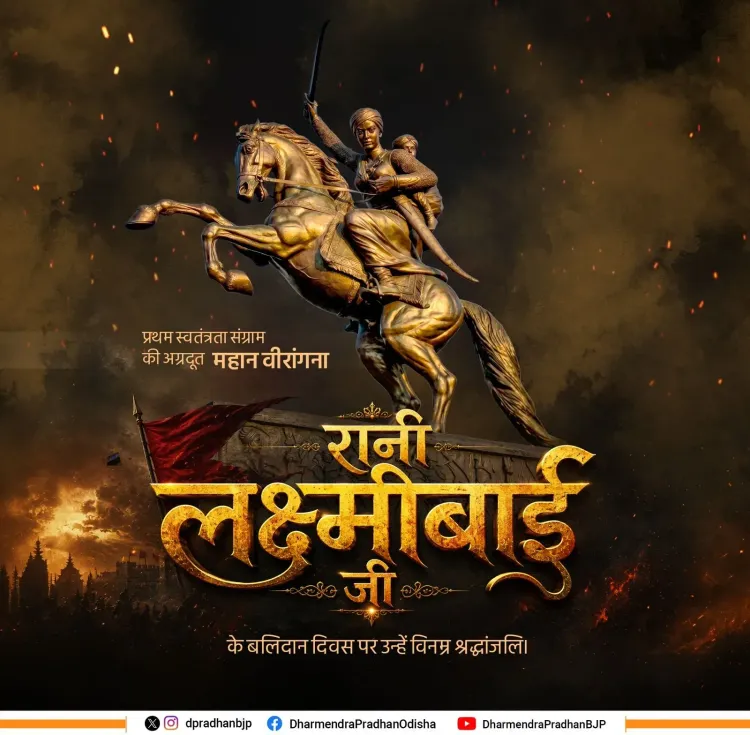
Union Education Minister Dharmendra Pradhan on 18 June 2026 paid tribute to Rani Lakshmibai on her Balidan Diwas, calling her sacrifice and leadership a golden chapter of Indian history and an enduring inspiration for every generation.
Key Takeaways
Dharmendra Pradhan , Union Education Minister, posted a tribute to Rani Lakshmibai on 18 June 2026 , her martyrdom anniversary.
He described her courage and sacrifice as a 'golden chapter of Indian history' and an inspiration for national pride and self-respect.
Rani Lakshmibai fell in battle on 18 June 1858 while leading armed resistance against the British East India Company in Gwalior .
The Ministry of Education has consistently linked such historical figures to character-building themes in school programmes.
The tribute comes ahead of Independence Day in August, when references to 1857 revolt leaders typically intensify across official communications.
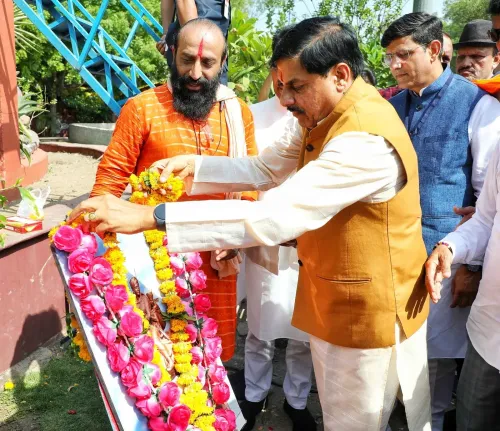
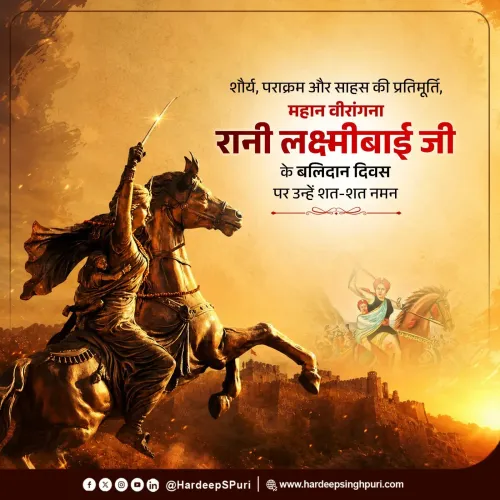
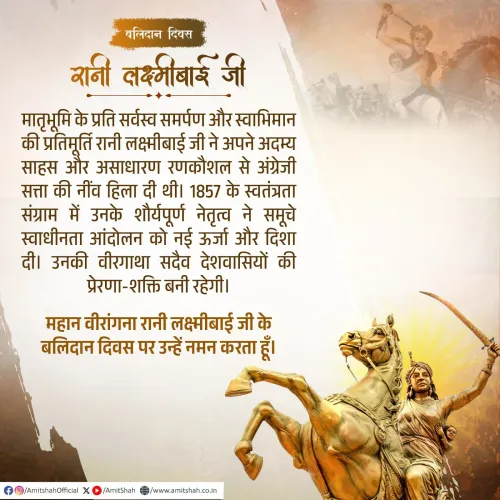
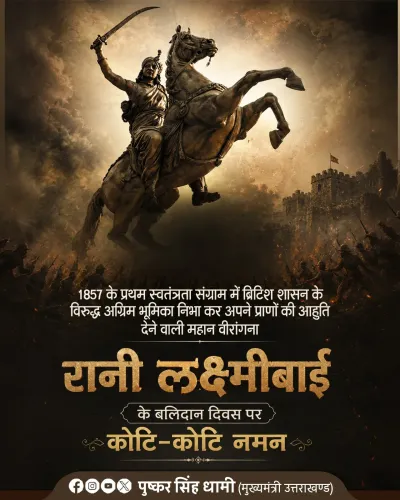
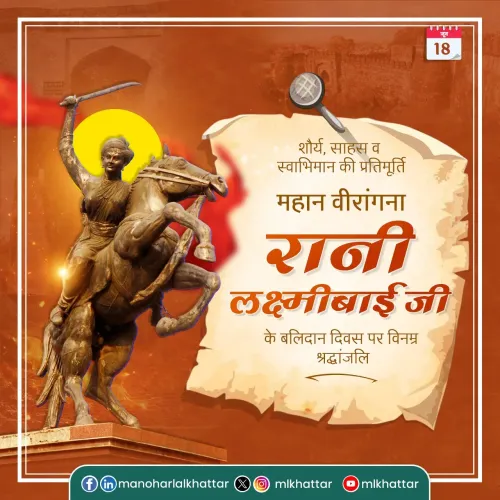
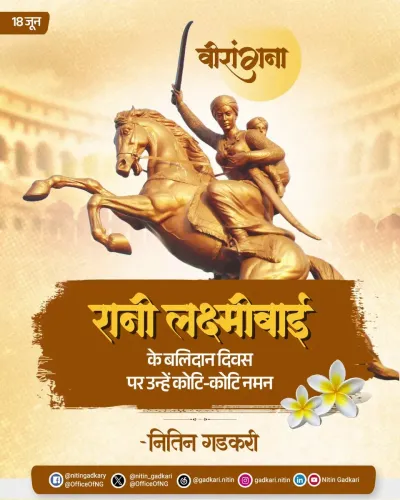
Union Education Minister Dharmendra Pradhan on Thursday, 18 June 2026, paid homage to Rani Lakshmibai of Jhansi on her martyrdom anniversary, honouring her as an embodiment of indomitable courage and patriotism.
Context
Posting in Hindi on his official X account, Pradhan offered a humble tribute — 'विनम्र श्रद्धांजलि' ['humble salutation'] — to the warrior queen on her Balidan Diwas (martyrdom day). He described her sacrifice, leadership, and unmatched bravery in the cause of the motherland's freedom as a 'golden chapter of Indian history.' He further noted that the courage she displayed while standing firm against injustice continues to inspire every generation to uphold love for the nation, bravery, and self-respect.
Policy Backdrop
Rani Lakshmibai, the queen of Jhansi, commanded armed resistance against the British East India Company during the uprising of 1857–58, fighting across Jhansi and Gwalior before falling in battle on 18 June 1858. She remains one of the most celebrated figures of India's first war of independence. Successive central governments have marked 18 June with official statements honouring leaders of the 1857 revolt, and the occasion has become an established fixture in the national commemorative calendar.
The Ministry of Education has increasingly linked such historical figures to themes of national pride and character-building, reflecting a broader emphasis on integrating India's freedom-struggle legacy into school curricula and youth outreach programmes.
Stakeholders and Impact
Pradhan's tribute, issued from the Ministry of Education, carries particular resonance for students and young people across India, given his ministry's role in shaping school curricula and educational narratives. The ministry's communications have consistently framed figures like Rani Lakshmibai as role models for values such as courage, self-respect, and national service. Such official commemorations also feed into state-level events and school programmes timed around Independence Day preparations, amplifying their reach among younger audiences.
What's Next
With Independence Day approaching in August, references to Rani Lakshmibai and other 1857 revolt leaders are likely to feature prominently in ministry-led outreach and possible curriculum discussions. Observers will watch for any formal policy announcements — such as references to the queen in upcoming NCERT textbook revisions or state-level commemorative programmes — that translate this tribute into concrete educational action.
Point of View
The post signals a continued effort to embed such figures more deeply into the educational and cultural narrative directed at India's youth. The timing — weeks before Independence Day — suggests these commemorations are coordinated stepping stones toward larger ministry-level programmes. While the post contains no new policy announcement, it reflects the ministry's sustained attempt to align curriculum and public discourse around themes of national sacrifice and self-reliance.
NationPress
20 Sept 2026
Frequently Asked Questions
When did Rani Lakshmibai die and why is 18 June significant?
Rani Lakshmibai was killed in battle on 18 June 1858 near Gwalior while fighting against the British East India Company during the 1857 uprising . The date is observed annually as her Balidan Diwas (martyrdom day) across India.
What did Dharmendra Pradhan say about Rani Lakshmibai?
Pradhan called her sacrifice, leadership, and bravery a 'golden chapter of Indian history' and said her courage in standing firm against injustice continues to inspire every generation to uphold national love, bravery, and self-respect.
Who was Rani Lakshmibai?
Rani Lakshmibai was the queen of Jhansi who became one of the foremost leaders of India's 1857 revolt against British East India Company rule. She led her forces in battles at Jhansi and Gwalior and is celebrated as a symbol of resistance and patriotism.
Why does the Education Ministry commemorate figures like Rani Lakshmibai?
The Ministry of Education has linked freedom-struggle figures to themes of national pride and character-building in school curricula and youth programmes, using official commemorations to reinforce these values among students.
Will Rani Lakshmibai be featured in NCERT textbooks?
No formal announcement has been made. However, observers note that with Independence Day approaching, references to 1857 revolt leaders — including Rani Lakshmibai — may feature in upcoming NCERT curriculum discussions or state-level educational programmes.