PM Modi contrasts Licence Raj era with PLI scheme push
Synopsis
Prime Minister Narendra Modi on 21 August 2026 drew a sharp contrast between the Licence Raj era — when firms were penalised for excess production — and the current PLI scheme, which rewards output across 14 manufacturing sectors as part of India's industrial-scale ambition.
Key Takeaways
PM Modi contrasted pre-1991 'Production Linked Punishment' with today's Production Linked Incentive (PLI) scheme.
Under the Licence Raj , companies faced penalties for producing beyond government-prescribed limits.
The 1991 economic reforms abolished industrial licensing for most sectors, ending capacity controls.
The PLI scheme was first launched in March 2020 for mobile manufacturing and has since expanded to 14 sectors .
Key sectors covered include electronics, pharmaceuticals, automobiles, and food processing.
Disbursement figures and any new sector additions in upcoming Union Budgets remain the critical metrics to watch.
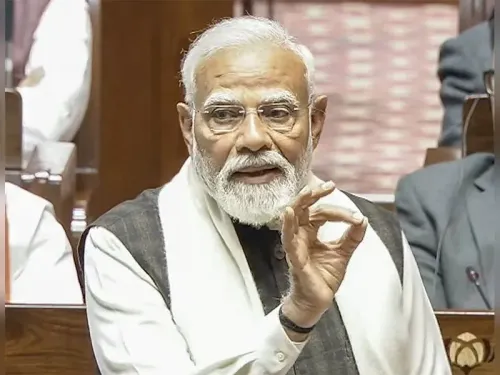
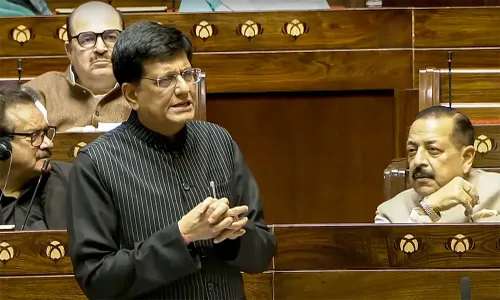
From penalising factories for producing too much to rewarding them for producing more — Prime Minister Narendra Modi framed India's industrial journey in a single sharp contrast on Friday, 21 August 2026, invoking the ghost of the Licence Raj to make the case for the government's Production Linked Incentive (PLI) scheme.
The era when output was a punishable offence
Modi's post cuts to a genuinely startling fact of pre-1991 India: companies that produced beyond government-prescribed limits faced penalties. Industrial capacity, expansion, and diversification all required licences — a labyrinthine system that economists and policymakers have long argued choked enterprise before it could breathe. 'There was a time when companies would be penalised for producing beyond prescribed limits,' Modi wrote, calling it the 'mindset of the Licence Raj' that 'discouraged enterprise, production and job creation.'
The 1991 economic reforms dismantled industrial licensing for most sectors, ending decades of capacity controls. That liberalisation is widely credited with unleashing a wave of private investment and setting India on a higher growth trajectory.
PLI: incentive replaces restriction
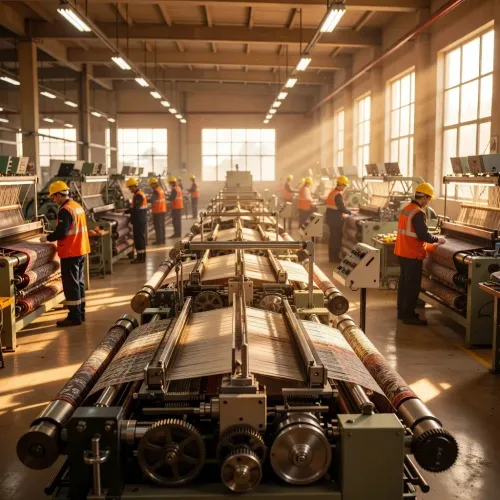
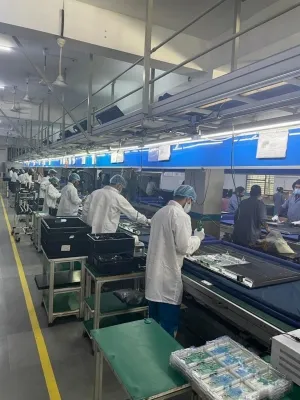
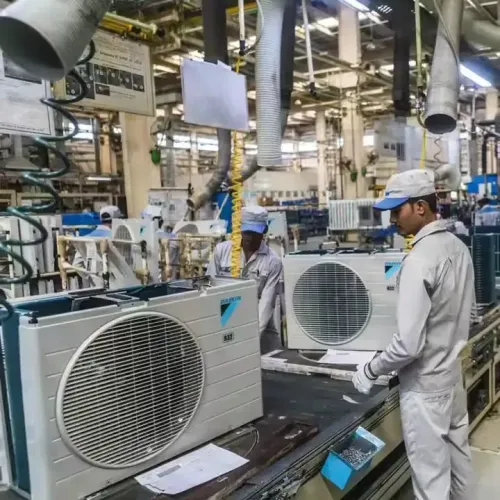
The Production Linked Incentive scheme, first announced in March 2020 for mobile phone manufacturing, flips the old logic entirely: the more a company produces above a baseline, the larger the government incentive it receives. The scheme has since been extended to 14 sectors, spanning electronics, pharmaceuticals, automobiles, textiles, and food processing, among others.
The government's stated aim is to attract large-scale investment, build domestic manufacturing capacity, and generate employment — goals that successive PLI iterations have been explicitly designed around. Modi's framing — 'Production Linked Punishment to Production Linked Incentives' — is a pointed rhetorical device that anchors current policy in a direct repudiation of the Licence Raj mindset.
Manufacturing ambition and what the numbers need to show
The PLI architecture has drawn significant investment commitments across sectors, but the metric that will ultimately define its success is actual disbursement against production targets — a figure that varies considerably by sector. Analysts tracking the scheme watch disbursement rates and incremental employment numbers closely, as these reveal whether incentive structures are translating into real output gains.
With Union Budgets remaining the primary vehicle for PLI expansions, any announcement of new sector additions will be the next concrete signal of the programme's trajectory. Modi's post, paired with an attached video, suggests the government is actively building the public narrative around PLI's industrial-policy logic ahead of such moments.
The argument is simple and deliberate: India once punished ambition. Now it pays for it.
Point of View
Positioning the current government as the inheritor and accelerator of 1991-era liberalisation rather than its originator. By invoking the Licence Raj, the BJP draws a line between a Congress-era regulatory culture and a BJP-era enterprise culture, a contrast that has been central to the party's economic messaging since 2014. The PLI scheme's expansion to 14 sectors gives that narrative concrete policy scaffolding. The real test, however, lies in disbursement data: if incentive payouts lag production commitments, the rhetorical architecture becomes vulnerable to scrutiny.
NationPress
6 Oct 2026
Frequently Asked Questions
What is the Production Linked Incentive (PLI) scheme in India?
The PLI scheme is a performance-based government programme that pays manufacturing companies incremental incentives for producing above a defined baseline, designed to attract investment and scale domestic output. It was first launched in March 2020 for mobile phone manufacturing and has since expanded to 14 sectors.
What was the Licence Raj and why did it end?
The Licence Raj was a pre-1991 regulatory system under which Indian companies needed government licences to set up, expand, or diversify industrial capacity — and could be penalised for producing beyond prescribed limits. It was largely dismantled by the 1991 economic reforms, which liberalised industrial licensing for most sectors.
Which sectors are covered under India's PLI scheme?
The PLI scheme covers 14 sectors including mobile electronics, pharmaceuticals, automobiles and auto components, textiles, food processing, and advanced chemistry cell batteries, among others.
What did PM Modi say about the PLI scheme on 21 August 2026?
PM Modi posted that India has moved from 'Production Linked Punishment to Production Linked Incentives,' highlighting that under the Licence Raj, companies were penalised for excess production — a mindset he said discouraged enterprise and job creation.
How successful has the PLI scheme been in boosting Indian manufacturing?
The PLI scheme has attracted significant investment commitments across sectors since 2020, but actual success is measured by disbursement rates and employment generated — figures that vary by sector and remain under active review by analysts and policymakers.