CM Bhupendra Patel: PM Modi Lays Foundation for Ahmedabad Metro Phase-2, 4,300 Anganwadis
Synopsis
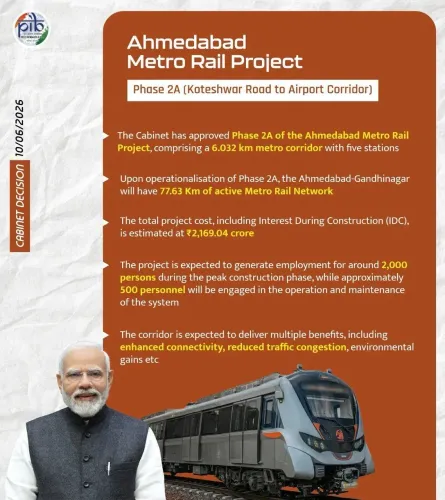
PM Modi on October 30, 2026, launched Ahmedabad Metro Phase-2A and 2B, ordered widening of the Ahmedabad–Mehsana highway at ₹2,600 crore, and inaugurated over 4,300 upgraded Anganwadi centres in Gujarat — with CM Bhupendra Patel hailing the projects as transformative for the state.
Key Takeaways
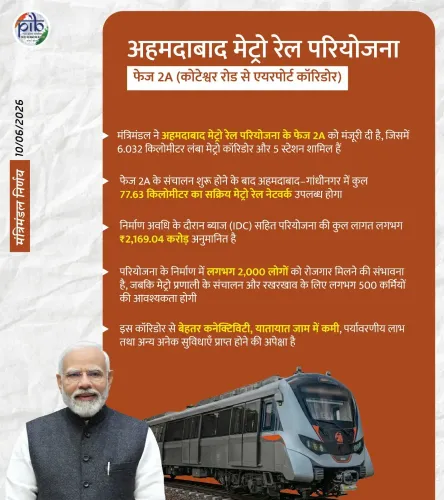
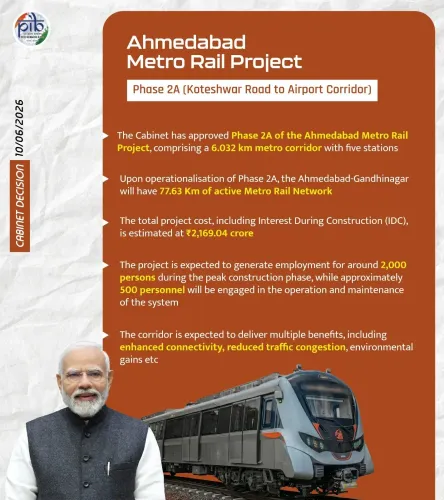
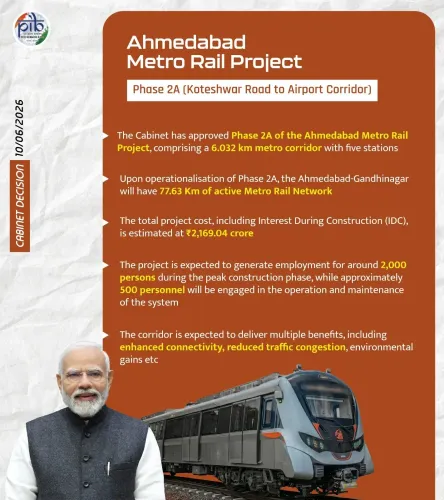
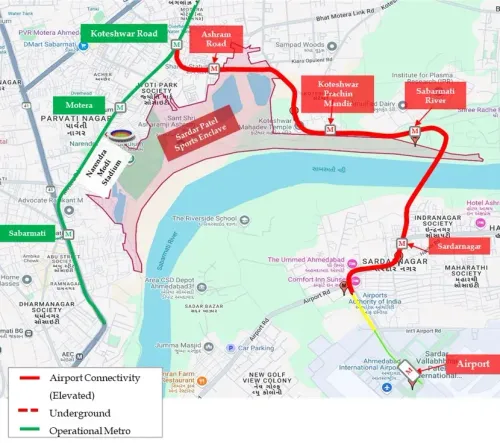
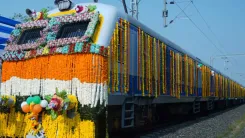
Ahmedabad Metro Phase-2A (Koteshwar Road to Airport) and Phase-2B (GIFT City to Shahpur) foundation stones were laid by PM Modi on October 30, 2026 .
The Ahmedabad–Mehsana highway will be widened from four lanes to eight lanes at an estimated cost of ₹2,600 crore .
More than 4,300 child-friendly Anganwadi centres were simultaneously inaugurated or grounded, targeting over 4 lakh beneficiaries including children and mothers.
The new Anganwadi centres use 3D monolithic construction technology , a modern method enabling faster and more durable builds at scale.
The announcements were made from Banaskantha , with the event hashtagged under #KisanKalyanSeRashtraKalyan , linking rural welfare to national development.
The projects continue Gujarat's integrated development model, aligning with Bharatmala Pariyojana and POSHAN Abhiyaan frameworks.
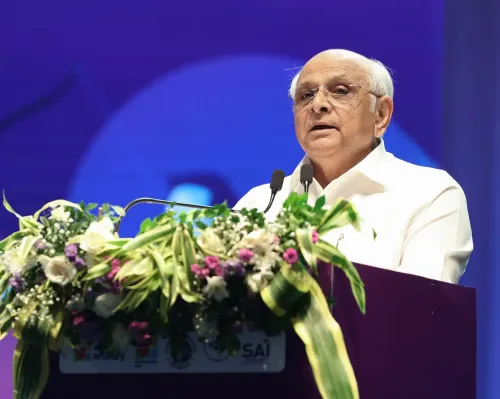
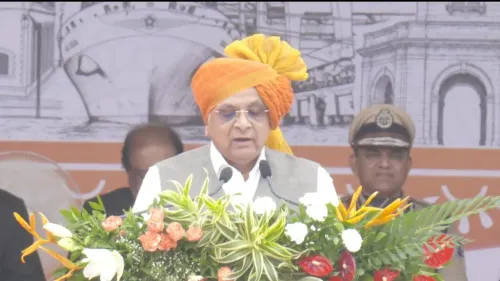
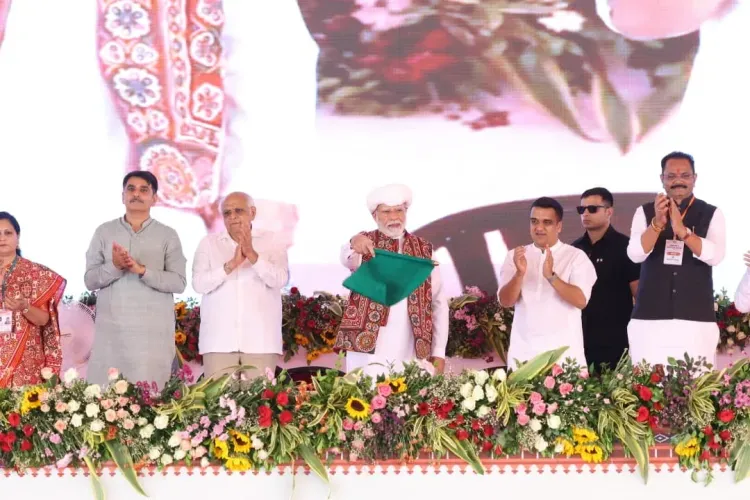
From the storied soil of Banaskantha, Prime Minister Narendra Modi on Friday, October 30, 2026, launched a sweeping set of development projects spanning urban transit, highway expansion, and child welfare — and Gujarat Chief Minister Bhupendra Patel took to X to mark the moment for the state.
The centrepiece announcements were the foundation-stone layings for Ahmedabad Metro Phase-2A — linking Koteshwar Road to the Airport — and Phase-2B, connecting GIFT City to Shahpur. Together, the two corridors are designed to stitch together Ahmedabad's financial district, its international gateway, and its older urban core into a single, seamless rapid-transit spine. The Metro has been a long-running flagship of the state's urban mobility push; Phase-1's foundation stone was laid in 2014, and these new phases mark the next arc of that ambition.
₹2,600 Crore to Widen the Road to North Gujarat
Running alongside the metro groundbreaking was another significant highway move: at an estimated cost of approximately ₹2,600 crore, the Ahmedabad–Mehsana highway will be widened from a four-lane to an eight-lane corridor. The project targets one of northern Gujarat's most-travelled arteries, promising faster and safer passage for the daily flow of commuters, freight, and pilgrims between the state capital and the Mehsana belt. Road capacity augmentation in Gujarat has historically aligned with the Bharatmala Pariyojana framework, blending central and state funding to push the state's highway network toward expressway-grade standards.4,300 Child-Friendly Anganwadis, 4 Lakh Beneficiaries
Perhaps the most human-scale announcement of the day was the foundation-laying and inauguration of more than 4,300 child-friendly Anganwadi centres across Gujarat. The state government says the upgraded centres will directly benefit more than 4 lakh people — children and mothers alike. What sets these centres apart is the construction method: 3D monolithic technology, a modern building technique that delivers structurally robust, faster-built structures at scale. CM Patel described them as 'a strong foundation for the bright future of children.' The push fits squarely within the POSHAN Abhiyaan launched in 2018, which included a dedicated component for Anganwadi infrastructure modernisation as part of India's early childhood development mission.Banaskantha as the Stage, Gujarat as the Canvas
The choice of Banaskantha — a district long associated with agrarian resilience and the dairy cooperative movement — as the launch venue carries its own symbolism. CM Patel's post, tagged with #KisanKalyanSeRashtraKalyan (farmer welfare to national welfare), frames the day's infrastructure and social investments as part of a continuum linking rural roots to urban futures. His acknowledgement of PM Modi, addressed as 'manniya Modiji' (respected Modiji), is in keeping with the Gujarat BJP's consistent articulation of state development as an extension of the national vision. For Gujarat's commuters, children, and highway users, the groundwork laid in Banaskantha today will take years to materialise — but the ambition is now on the map, in concrete and steel.Point of View
Highway, and child-welfare projects from a single venue in Banaskantha is a studied piece of political choreography — it allows the BJP to speak to city commuters, highway users, and rural mothers in one breath. The GIFT City–Shahpur Metro corridor, if built on schedule, would deepen Ahmedabad's case as a global financial hub by integrating its flagship smart district into the main transit grid. The Anganwadi modernisation piece is the quieter but arguably more durable policy story: embedding 3D monolithic construction into a scheme that touches 4 lakh ground-level beneficiaries signals an intent to industrialise social infrastructure delivery, not just announce it. Together, the announcements reinforce Gujarat's role as the BJP's proof-of-concept state for convergent development — urban, rural, and human capital simultaneously.
NationPress
30 Oct 2026
Frequently Asked Questions
What are Ahmedabad Metro Phase-2A and Phase-2B?
Phase-2A will connect Koteshwar Road to Ahmedabad Airport, while Phase-2B will link GIFT City to Shahpur, extending the city's rapid transit network to its financial district and international gateway.
What is the cost of the Ahmedabad–Mehsana highway widening?
The highway widening from four lanes to eight lanes is estimated to cost approximately ₹2,600 crore, aimed at making travel to northern Gujarat faster and safer.
What are the new child-friendly Anganwadi centres in Gujarat?
More than 4,300 upgraded Anganwadi centres were inaugurated or grounded, built using modern 3D monolithic technology; they are expected to benefit over 4 lakh children and mothers across Gujarat.
What is 3D monolithic technology used in Anganwadi construction?
3D monolithic construction is a modern building technique that casts an entire structure in one pour or process, resulting in stronger, faster-built, and more durable buildings compared to conventional methods.
Why was Banaskantha chosen for PM Modi's Gujarat project launches?
Banaskantha is a district associated with agrarian identity and cooperative strength in northern Gujarat; launching projects there lets the BJP signal commitment to rural and northern Gujarat while announcing urban infrastructure for Ahmedabad.