PM Modi Pays Tribute to Dr. Shyama Prasad Mookerjee on Martyrdom Day
Synopsis
Prime Minister Narendra Modi on 23 June 2026 paid homage to Dr. Shyama Prasad Mookerjee, founder of the Bharatiya Jana Sangh, on his martyrdom anniversary, honouring his lifelong devotion to national integration and his sacrifice in Srinagar in 1953.
Key Takeaways
PM Modi paid tribute to Dr.
Shyama Prasad Mookerjee on his martyrdom day, 23 June 2026 .
Mookerjee founded the Bharatiya Jana Sangh in 1951 , the ideological predecessor of the BJP .
He died on 23 June 1953 in Srinagar while in detention, protesting the permit requirement for Indian citizens entering Jammu and Kashmir .
The BJP government's 2019 abrogation of Article 370 was officially framed as fulfilling Mookerjee's stated political goal.
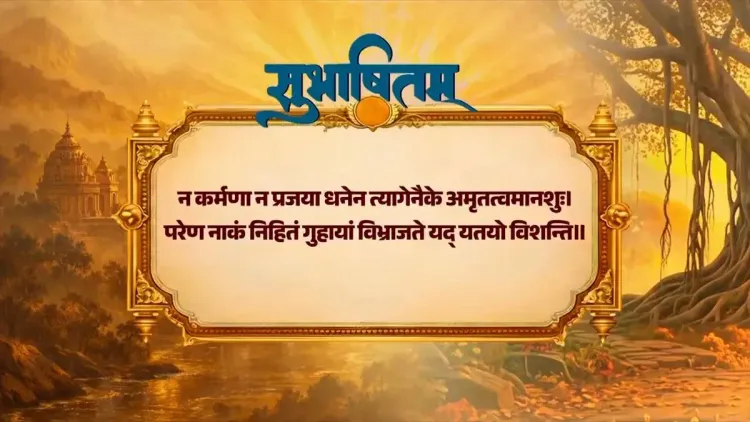
Modi's post included the Sanskrit phrase 'Na karmana na prajaya dhanena' , emphasising selfless service over material pursuits.
Annual 23 June commemorations are a consistent feature of BJP's political calendar since 2014 .
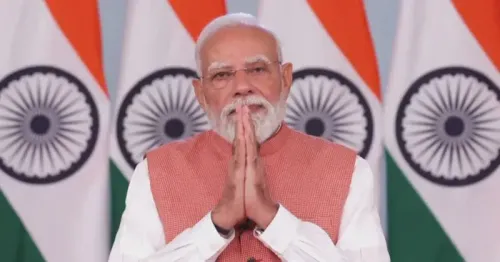
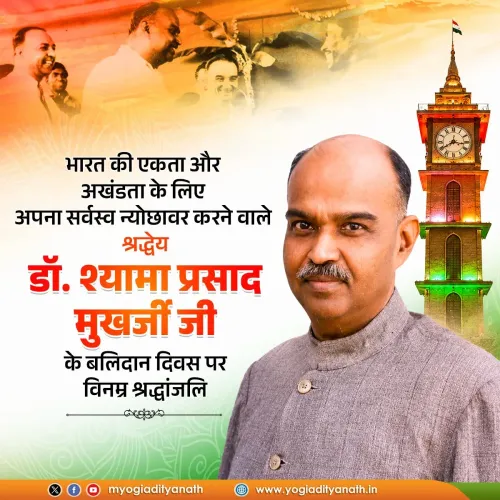
Prime Minister Narendra Modi on Tuesday, 23 June 2026 paid homage to Dr. Shyama Prasad Mookerjee on his martyrdom anniversary, honouring the nationalist leader as a 'great personality of the nation' who devoted his entire life selflessly to the service of the country and society.
In a post in Hindi on X, the Prime Minister wrote: 'Nihswarth bhaav se rashtra aur samaaj ki seva mein aajeevan samarpit rahe desh ki mahaan vibhuti Dr. Shyama Prasad Mookerjee ji ko unke balidaan diwas par aadarpurna shraddhanjali' — ('Respectful tribute to the great personality of the nation, Dr. Shyama Prasad Mookerjee, who remained selflessly devoted throughout his life to the service of the nation and society, on his martyrdom day.')
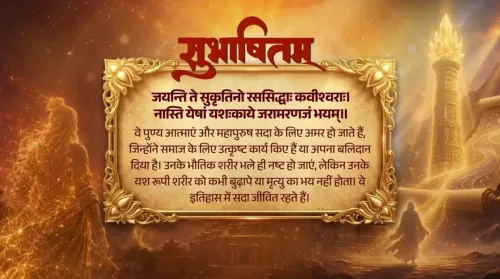
Modi added that Mookerjee's 'sharp thoughts and ideals will continue to inspire every generation of the country to serve the motherland.' The post also carried a Sanskrit phrase: 'Na karmana na prajaya dhanena' — a Vedic verse meaning 'not by action, not by progeny, not by wealth,' often invoked to emphasise the primacy of spiritual and selfless dedication over material pursuits.
Context
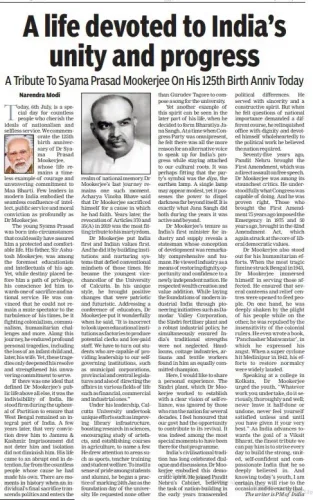
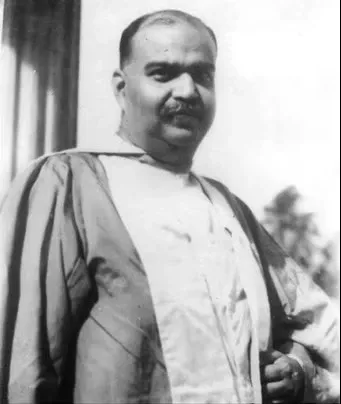
Dr. Shyama Prasad Mookerjee, born in 1901 in Bengal, was an eminent educationist, lawyer, and politician who founded the Bharatiya Jana Sangh in 1951. He served as a Cabinet minister in independent India's first government before resigning over policy differences. He is widely regarded as the ideological progenitor of the Bharatiya Janata Party (BJP), which traces its organisational lineage directly to the Jana Sangh.
Mookerjee died on 23 June 1953 in Srinagar, Jammu and Kashmir, while in detention. He had entered the state without a permit to protest the requirement that Indian citizens carry separate permits to visit Jammu and Kashmir — a provision he saw as a symbol of the region's discriminatory special constitutional status under Article 370.
Policy Backdrop
Mookerjee's opposition to Article 370 became a defining plank of the Jana Sangh and, later, the BJP. In August 2019, the Parliament of India abrogated Article 370, revoking Jammu and Kashmir's special status. The BJP government formally presented the move as the fulfilment of Mookerjee's lifelong political goal of ensuring 'Ek Bharat' — one India, one constitution, one flag.
Since 2014, annual 23 June commemorations by BJP presidents and prime ministers have consistently framed Mookerjee's death as the first major sacrifice for national integration, linking contemporary governance decisions to the party's pre-1980 ideological lineage.
Stakeholders and Impact
BJP workers and affiliated nationalist organisations across the country observe Martyrdom Day (Balidaan Diwas) with events, seminars, and rallies on 23 June each year. The annual tribute from the Prime Minister's office serves both as a mark of institutional respect and as a signal to the party's cadre about the continued relevance of foundational ideological figures.
For Jammu and Kashmir, where statehood restoration and delimitation processes remain active political conversations, the anniversary carries particular resonance. Mookerjee's name is invoked regularly in debates about the region's constitutional future.
What's Next
Coordinated state-level commemorations and parliamentary references to Mookerjee's legacy are expected to continue through the day across BJP-governed states. Observers will watch whether this year's tributes are accompanied by any policy announcements or statements linked to ongoing discussions on Jammu and Kashmir's statehood restoration — a question that has remained open since the 2019 reorganisation of the erstwhile state into two Union Territories.
As the BJP continues to anchor its governance narrative in the sacrifices of Jana Sangh-era figures, Mookerjee's martyrdom day is likely to remain a fixture of the party's annual political calendar, serving as a bridge between its historical identity and its current policy agenda.
Point of View
Connecting the BJP's current governance record to its foundational sacrifice narrative. By invoking Mookerjee each June, the party reinforces the argument that the 2019 abrogation of Article 370 was not a political decision but the completion of a seven-decade-old national mission. The Sanskrit verse appended to the post adds a cultural-civilisational register that resonates with the BJP's broader 'Ek Bharat' messaging. As statehood restoration for Jammu and Kashmir remains unresolved, Mookerjee's martyrdom day will continue to serve as both a tribute and a political signpost.
NationPress
22 Sept 2026
Frequently Asked Questions
Who was Dr. Shyama Prasad Mookerjee?
Dr. Shyama Prasad Mookerjee was a Bengali educationist, lawyer, and politician who founded the Bharatiya Jana Sangh in 1951, the predecessor party to the BJP. He died on 23 June 1953 in Srinagar while in detention, protesting the permit requirement for Indian citizens entering Jammu and Kashmir.
Why is 23 June observed as Shyama Prasad Mookerjee's martyrdom day?
23 June is observed as Dr. Shyama Prasad Mookerjee's martyrdom day because he died on this date in 1953 in Srinagar while under detention. He had entered Jammu and Kashmir without a permit to protest the special constitutional provisions that required Indian citizens to carry separate permits to visit the state.
What was Shyama Prasad Mookerjee's connection to Article 370?
Mookerjee was one of the most prominent opponents of Article 370, which granted Jammu and Kashmir special constitutional status. He argued it created two constitutions and two flags within one country. The BJP government's abrogation of Article 370 in August 2019 was officially presented as the fulfilment of his political goal.
What did PM Modi say about Shyama Prasad Mookerjee on his martyrdom day 2026?
PM Modi paid 'respectful tribute' to Mookerjee, describing him as a 'great personality of the nation' who was 'selflessly devoted throughout his life to the service of the nation and society.' He added that Mookerjee's 'sharp thoughts and ideals will continue to inspire every generation to serve the motherland.'
What is the Bharatiya Jana Sangh and its relation to BJP?
The Bharatiya Jana Sangh was a nationalist political party founded by Dr. Shyama Prasad Mookerjee in 1951. It was dissolved in 1977 when it merged into the Janata Party, and its members subsequently founded the Bharatiya Janata Party (BJP) in 1980. The BJP officially considers the Jana Sangh its organisational and ideological predecessor.