PM Modi Pays Tribute to Dr. Syama Prasad Mookerjee on Balidan Diwas
Synopsis
Prime Minister Narendra Modi on 23 June 2026 paid homage to Dr. Syama Prasad Mookerjee on Balidan Diwas, calling him a 'distinguished patriot, scholar and statesman.' Mookerjee, founder of the Bharatiya Jana Sangh and ideological forerunner of the BJP, died in custody in Srinagar on 23 June 1953 while protesting Jammu and Kashmir's special constitutional status.
Key Takeaways
Prime Minister Narendra Modi paid tribute to Dr.
Syama Prasad Mookerjee on 23 June 2026 , his Balidan Diwas (martyrdom day).
Mookerjee died in custody in Srinagar on 23 June 1953 while protesting the special constitutional status of Jammu and Kashmir .
He founded the Bharatiya Jana Sangh in 1951 , the organisational forerunner of the present Bharatiya Janata Party .
The Modi government revoked Article 370 in August 2019 , a step the BJP describes as the fulfilment of Mookerjee's vision.
The BJP observes 23 June annually as Balidan Diwas, with events held across the country, particularly in West Bengal and Jammu and Kashmir .
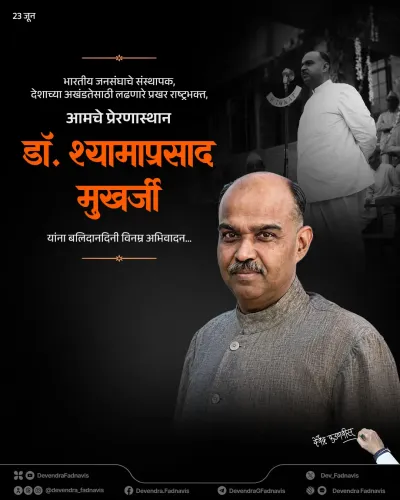
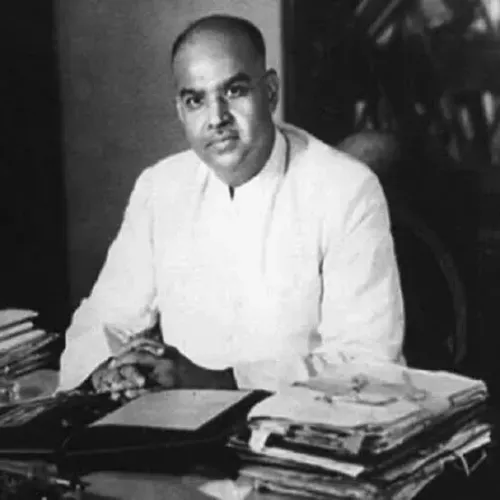
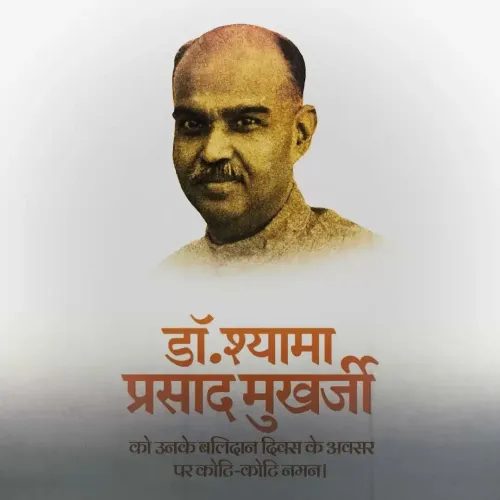
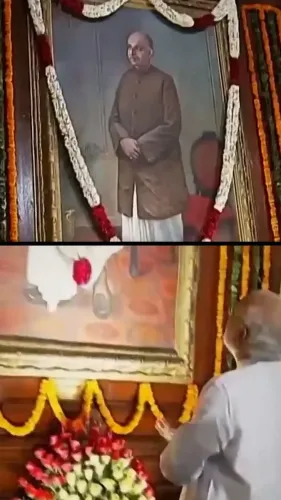
Prime Minister Narendra Modi on Tuesday, 23 June 2026 paid homage to Dr. Syama Prasad Mookerjee on his Balidan Diwas, honouring the politician and scholar as a 'distinguished patriot, scholar and statesman' whose life was dedicated to India's development.
Context
23 June marks the death anniversary of Dr. Syama Prasad Mookerjee, observed annually as Balidan Diwas — a day of sacrifice — by the Bharatiya Janata Party and affiliated organisations. Mookerjee died in custody in Srinagar on 23 June 1953 while protesting the special constitutional status accorded to Jammu and Kashmir. Prime Minister Modi's post described him as someone whose 'unwavering conviction, courage in public life and commitment to national interest continue to inspire generations.'
Mookerjee was a prominent figure in post-independence Indian politics — a scholar, a former cabinet minister under Jawaharlal Nehru, and the founder of the Bharatiya Jana Sangh in 1951. His death in detention galvanised Hindu-nationalist political mobilisation for decades.
Policy Backdrop
The Bharatiya Jana Sangh, which Mookerjee established in 1951, was the organisational forerunner of the present Bharatiya Janata Party. The Jana Sangh later merged into the Janata Party, and its core cadre went on to found the BJP in 1980. The BJP regards Mookerjee as a foundational ideological figure and traces its political lineage directly to his work.
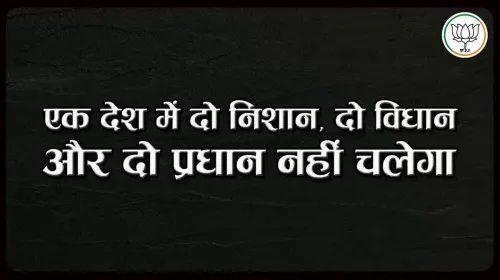
One of Mookerjee's defining campaigns was his opposition to the requirement that Indian citizens obtain a permit to enter Jammu and Kashmir — a consequence of the state's special status under Article 370 of the Constitution. In August 2019, the Modi government revoked that special status, a step the BJP presented as the fulfilment of Mookerjee's long-held vision for the full integration of Jammu and Kashmir with the Indian Union.
Stakeholders and Impact
Annual commemorations of Balidan Diwas carry significance for BJP cadre across the country, particularly in West Bengal — Mookerjee's home state — and in Jammu and Kashmir, where his protest and death remain politically resonant. The tributes reinforce a distinct nationalist pantheon that the BJP cultivates alongside, and often in contrast to, the Congress-led freedom movement narrative.
For residents of Jammu and Kashmir, Mookerjee's legacy is intertwined with the territory's constitutional journey, from his 1953 agitation to the 2019 abrogation of Article 370 and the subsequent reorganisation of the region into two Union Territories.
What's Next
BJP leaders and state units are expected to hold events across the country to mark Balidan Diwas, with particular focus on West Bengal and Jammu. Observers will watch for any statements linking Mookerjee's legacy to ongoing policy initiatives in Jammu and Kashmir, including statehood restoration discussions. Efforts to incorporate Mookerjee more prominently into official educational curricula and public memorials remain a continuing area of political activity for the ruling party.
Point of View
' the ruling party reinforces its ideological continuity with the Jana Sangh tradition. The tribute also implicitly revisits the 2019 abrogation of Article 370, framing it as a historical debt repaid. These commemorations function as annual anchors in the BJP's effort to shape how post-independence political history is remembered and taught.
NationPress
21 Sept 2026
Frequently Asked Questions
Who is Dr. Syama Prasad Mookerjee and why is he remembered?
Dr. Syama Prasad Mookerjee was an Indian politician, scholar and the founder of the Bharatiya Jana Sangh in 1951, the organisational forerunner of today's BJP. He is remembered for his opposition to the special constitutional status of Jammu and Kashmir and died in custody in Srinagar on 23 June 1953 during a protest agitation.
What is Balidan Diwas?
Balidan Diwas, meaning 'martyrdom day' or 'day of sacrifice,' is observed on 23 June every year to mark the death anniversary of Dr. Syama Prasad Mookerjee. The BJP and affiliated organisations hold events across the country on this day.
What did PM Modi say about Syama Prasad Mookerjee on Balidan Diwas 2026?
PM Modi described Mookerjee as a 'distinguished patriot, scholar and statesman' who dedicated his life to India's development, and said his 'unwavering conviction, courage in public life and commitment to national interest continue to inspire generations.'
What is the connection between Syama Prasad Mookerjee and Article 370?
Mookerjee opposed the special status granted to Jammu and Kashmir under Article 370 and the permit system that prevented other Indian citizens from freely entering the state. He was arrested during his protest and died in custody in June 1953. The Modi government revoked Article 370 in August 2019, which the BJP presented as fulfilling Mookerjee's vision.
What is the Bharatiya Jana Sangh and how is it related to the BJP?
The Bharatiya Jana Sangh was a political party founded by Dr. Syama Prasad Mookerjee in 1951. It later merged into the Janata Party, and its core cadre went on to establish the Bharatiya Janata Party in 1980, making the Jana Sangh the direct organisational forerunner of the present ruling party.