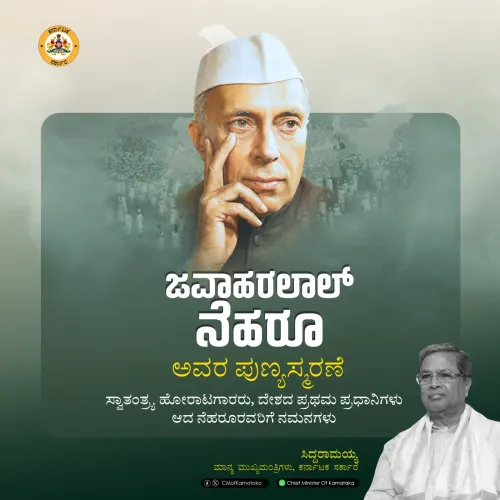
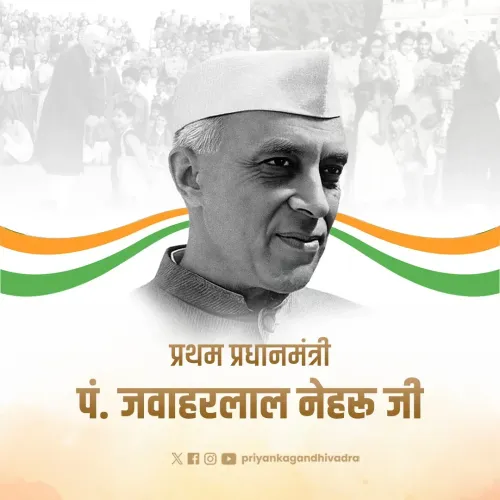
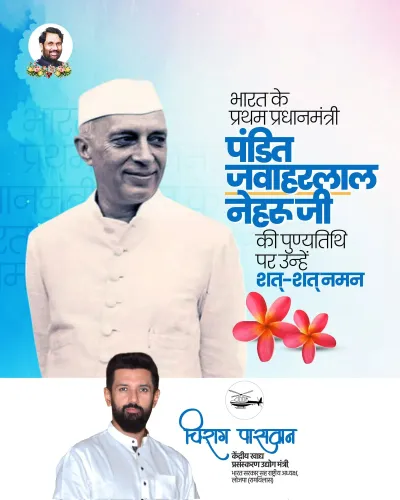
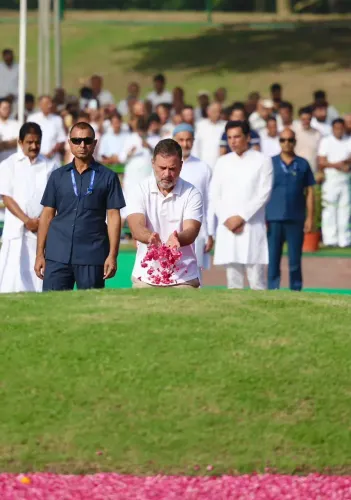
PM Modi pays tribute to Jawaharlal Nehru on 61st death anniversary
Synopsis
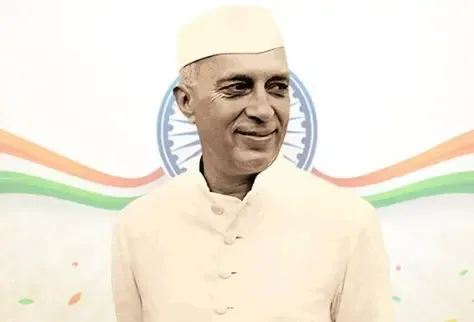
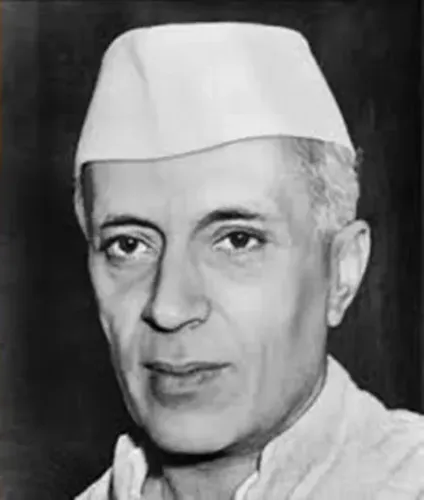
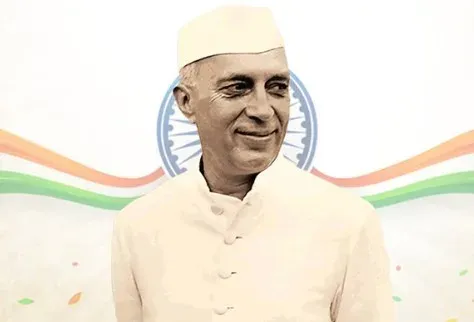
On Nehru's 61st death anniversary, PM Modi paid tribute on X — a brief but notable gesture given the political distance between the BJP and Nehru's legacy. Born in 1889, Nehru was jailed nine times, moved the Quit India Resolution, and led India for nearly 17 years as its first Prime Minister before dying on 27 May 1964.
Key Takeaways
PM Narendra Modi paid tribute to Pandit Jawaharlal Nehru on his death anniversary on 27 May 2025 .
Nehru passed away on 27 May 1964 following a heart attack; his death was announced in the Lok Sabha that day.
India's first Prime Minister , Nehru served for nearly 17 years from 1947 until his death.
He was imprisoned nine times during the freedom struggle and moved the historic Quit India Resolution on 7 August 1942 .
His birthday, 14 November , is celebrated as Children's Day across India.
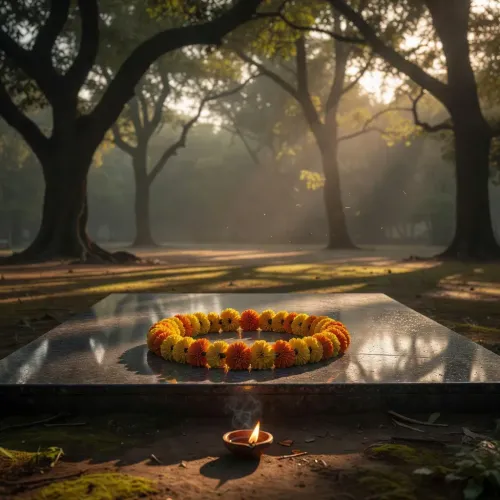
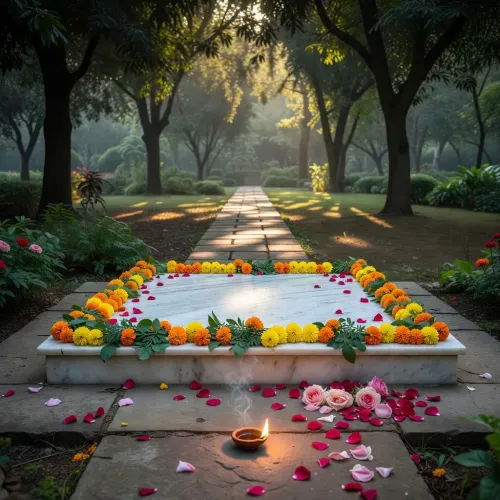
Prime Minister Narendra Modi on Wednesday, 27 May paid homage to India's first Prime Minister Pandit Jawaharlal Nehru on his death anniversary, marking 61 years since Nehru's passing in 1964. Modi shared his tribute on social media platform X, writing: 'Paying homage to former Prime Minister Pandit Jawaharlal Nehru on his death anniversary.'
Early Life and Education
Jawaharlal Nehru was born on 14 November 1889 in Allahabad. He received his early schooling at home under private tutors before travelling to England at the age of 15 for higher studies. He attended Harrow School and subsequently enrolled at Cambridge University, graduating in Natural Sciences. He later qualified as a barrister from the Inner Temple in London.
Even during his student years abroad, Nehru was closely drawn to anti-colonial movements worldwide. He followed the Sinn Féin movement in Ireland with particular interest — an engagement that deepened his resolve toward India's own freedom struggle.
Rise in the Freedom Movement
Nehru returned to India in 1912 and attended the Bankipore session of the Indian National Congress as a delegate that same year. His first meeting with Mahatma Gandhi came in 1916, and Gandhi's philosophy left a lasting imprint on him. By 1919, Nehru had become Secretary of the Home Rule League in Allahabad.
In 1920, he organised the first Kisan March in the Pratapgarh district of Uttar Pradesh. He was imprisoned twice during the Non-Cooperation Movement between 1920 and 1922. In September 1923, he was appointed General Secretary of the All India Congress Committee (AICC).
International Engagements and Escalating Resistance
In 1926, Nehru travelled across several European countries and the Soviet Union, representing the Indian National Congress at the Congress of Oppressed Nationalities in Brussels, Belgium. The following year, he attended the tenth anniversary of the October Socialist Revolution in Moscow. At the Madras Congress in 1926, he forcefully advocated for complete independence from British rule.
In 1928, he was injured in a police lathi charge while protesting the Simon Commission in Lucknow. That same year, he co-signed the Nehru Report on constitutional reforms — drafted under the leadership of his father, Motilal Nehru — and founded the Independence for India League, serving as its General Secretary.
In 1929, Nehru was elected President of the Lahore Session of the Indian National Congress, under which the Congress formally adopted complete independence as its stated goal. Between 1930 and 1935, he was imprisoned multiple times for his role in the Salt Satyagraha and related movements. During his incarceration at Almora Jail, he completed his autobiography on 14 February 1935.
Final Years of the Freedom Struggle
On 7 August 1942, Nehru moved the historic Quit India Resolution at the AICC session in Bombay. The next day, he was arrested and held at Ahmednagar Fort — his longest and final imprisonment. In total, he was jailed nine times during the independence movement.
After his release in January 1945, he organised the legal defence of Indian National Army (INA) officers tried for treason. In 1946, he was elected Congress President for the fourth time and went on to serve additional terms between 1951 and 1954.
Legacy and Death
Pandit Jawaharlal Nehru passed away on 27 May 1964 following a heart attack. His death was formally announced in the Lok Sabha later that day. He served as India's first Prime Minister from independence in 1947 until his death — a tenure of nearly 17 years. His birthday, 14 November, is observed annually across India as Children's Day, a reflection of his well-known affection for young people.
As tributes pour in on his 61st death anniversary, Nehru's legacy continues to be a reference point in debates over India's democratic institutions, foreign policy, and developmental vision.
Point of View
But the brevity of the post — a single sentence — reflects the BJP's long-running ideological ambivalence toward Nehru's legacy. The ruling party has, over the past decade, systematically re-evaluated Nehru's role in India's founding, often amplifying criticism of his foreign policy and economic choices. That the tribute came at all signals an acknowledgment of Nehru's institutional stature, even as the political contest over his historical legacy remains very much alive. For a party that has worked to centre alternate founding figures, the death anniversary of India's first Prime Minister remains a carefully managed moment.
NationPress
23 Sept 2026
Frequently Asked Questions
When did Jawaharlal Nehru die?
Jawaharlal Nehru died on 27 May 1964 following a heart attack. His death was formally announced in the Lok Sabha later that day, and he had served as India's first Prime Minister for nearly 17 years.
Why did PM Modi pay tribute to Nehru today?
27 May marks the death anniversary of Pandit Jawaharlal Nehru, India's first Prime Minister. PM Modi shared a tribute on social media platform X, as is customary for national leaders on the anniversaries of former Prime Ministers.
How many times was Jawaharlal Nehru imprisoned during the freedom struggle?
Nehru was imprisoned nine times in total during India's independence movement. His longest and final imprisonment was at Ahmednagar Fort, following his arrest on 8 August 1942, a day after he moved the Quit India Resolution.
Why is 14 November celebrated as Children's Day in India?
14 November, Jawaharlal Nehru's birthday, is observed as Children's Day across India in recognition of his well-known affection for children. The tradition has continued annually since his death in 1964.
What was Jawaharlal Nehru's role in the Quit India Movement?
Nehru moved the historic Quit India Resolution at the All India Congress Committee session in Bombay on 7 August 1942. He was arrested the following day and held at Ahmednagar Fort — his longest imprisonment during the freedom struggle.