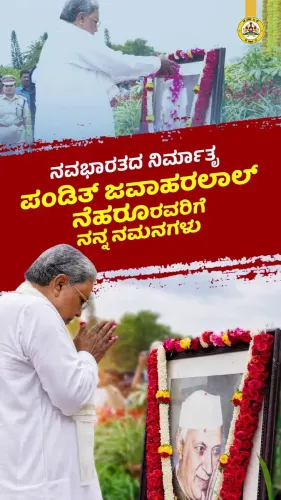
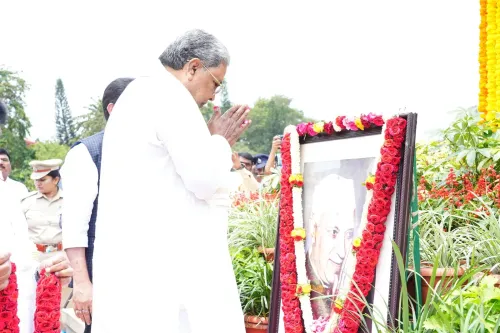
CM Siddaramaiah Pays Tribute to Nehru on Death Anniversary
Synopsis
Karnataka Chief Minister Siddaramaiah marked Jawaharlal Nehru's death anniversary on 27 May by honouring the first Prime Minister's nine years of imprisonment during the freedom struggle and his foundational contributions to India's secular, scientific, and pluralist nation-building.
Key Takeaways
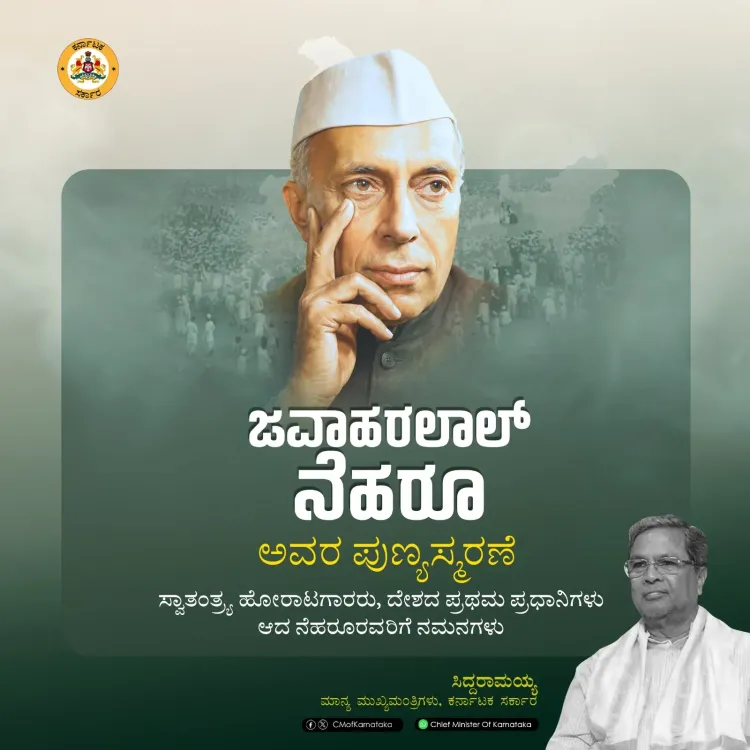
CM Siddaramaiah paid tribute to Jawaharlal Nehru on his death anniversary, 27 May , via a post in Kannada on X.
Siddaramaiah highlighted that Nehru spent 9 years in prison for India's independence without abandoning the freedom struggle.
The post credited Nehru with organising Indians under Mahatma Gandhi's leadership and fighting caste hierarchy, communalism, and linguistic divisions.
Nehru was described as a visionary who built post-independence India on secular, scientific, and rational foundations.
The tribute reflects the Indian National Congress party's annual practice of reaffirming its Nehruvian ideological legacy on this date.
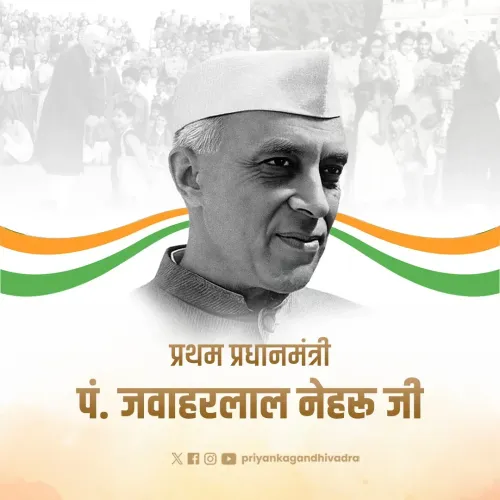
Nehru served as India's first Prime Minister from 1947 to 1964 and established institutions such as the IITs to advance modern nation-building.
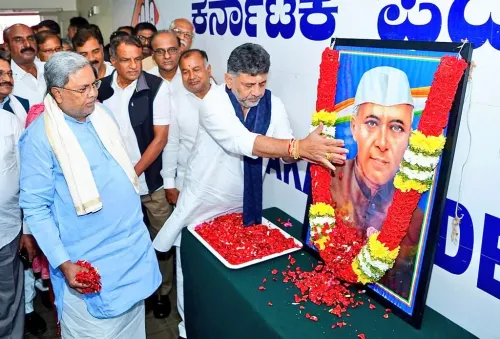
Karnataka Chief Minister Siddaramaiah on Wednesday, 27 May paid tribute to Pandit Jawaharlal Nehru on the former Prime Minister's death anniversary, honouring his sacrifices during India's freedom struggle and his role in shaping the nation's secular, scientific foundations.
Context
Writing in Kannada, CM Siddaramaiah noted that Nehru spent nine precious years of his life in prison for the country's independence, yet never turned away from the path of struggle. He recalled how Nehru continuously organised Indians towards freedom under Mahatma Gandhi's leadership, while also working strenuously to eliminate caste hierarchy, communalism, and language-based divisions that threatened India's future.
Siddaramaiah described Nehru as a 'darshanikaaru' (visionary) who provided ideological and diplomatic direction to post-independence India, and offered reverential remembrance to 'a great spirit who worked for nation-building on the foundations of scientific, rational, and secular thought.' He concluded that 'Nehruvina jeevana — aadarshaagalu pratiyobbarigu spoorti daayaka' — 'Nehru's life and ideals are an inspiration to everyone.'
Policy Backdrop
Nehru served as India's first Prime Minister from 1947 until his death on 27 May 1964, a tenure of nearly 17 years. During this period he championed the inclusion of secularism and scientific temper in India's constitutional framework, which was adopted in 1950. He also established landmark scientific and educational institutions — including the Indian Institutes of Technology (IITs) — as cornerstones of rational, modern nation-building.
Nehru's emphasis on non-alignment in foreign policy and his effort to unite a diverse, newly independent nation across caste, communal, and linguistic lines remain central to the Indian National Congress party's ideological identity. The Congress spearheaded the independence movement and formed India's first post-1947 governments under Nehru's leadership.
Stakeholders and Impact
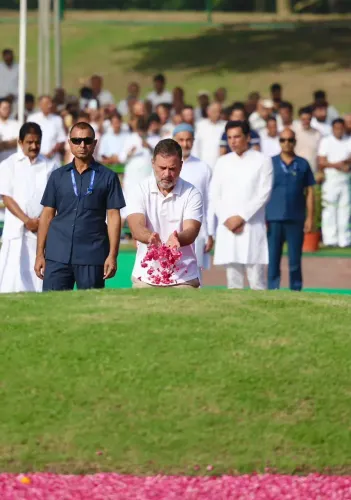
Tributes issued by senior Congress leaders on 27 May each year carry deliberate political weight, reinforcing the party's claim to the Nehruvian legacy of secularism, rationalism, and pluralism. For CM Siddaramaiah, leading a Congress government in Karnataka, invoking Nehru's stand against caste hierarchy and communalism also signals the administration's own stated policy priorities.
The annual observance draws responses from rival political formations, often sparking debate over historical narratives and the contested memory of India's first Prime Minister — making the 27 May death anniversary a recurring flashpoint in the country's culture-politics discourse.
What's Next
Congress parties across states are expected to hold remembrance events and issue statements through the day. Commentary from opposition parties and broader public debate over Nehru's legacy and its contemporary relevance are likely to follow, as they do each year around this date. The tributes will also feed into the larger, ongoing political contestation over India's constitutional values and the interpretation of its independence-era history.
Point of View
The annual 27 May observance is a ritual of continuity, linking the independence-era founding vision to current electoral and governance messaging. The Karnataka CM's specific emphasis on Nehru's fight against communalism and caste hierarchy also mirrors the state government's own stated policy commitments, giving the tribute a local policy resonance beyond ceremonial sentiment. How rival parties respond will, as in previous years, reveal the fault lines in India's ongoing contest over historical narrative and constitutional identity.
NationPress
15 Sept 2026
Frequently Asked Questions
Why did Siddaramaiah post about Jawaharlal Nehru today?
27 May is Jawaharlal Nehru's death anniversary — he died on 27 May 1964 — and CM Siddaramaiah issued the tribute to mark the occasion and honour Nehru's contributions to India's independence and nation-building.
How many years did Nehru spend in prison during the freedom struggle?
According to Siddaramaiah's post, Jawaharlal Nehru spent 9 years in prison for India's independence during the freedom struggle.
What is Jawaharlal Nehru known for in India's history?
Jawaharlal Nehru was India's first Prime Minister (1947–1964) , a leader of the independence movement under Mahatma Gandhi, and the architect of India's secular, scientifically rational, and non-aligned post-independence framework. He established institutions like the IITs to promote modern nation-building.
Why do Congress leaders pay tribute to Nehru every year on 27 May?
27 May is Nehru's death anniversary, and Indian National Congress leaders use the occasion to reaffirm the party's foundational commitment to secularism, rationalism, and pluralism — values closely identified with Nehru's legacy and the Congress's political identity.
What did Siddaramaiah say about Nehru's fight against caste and communalism?
Siddaramaiah stated that Nehru worked strenuously to eliminate caste hierarchy, communalism, and language-based divisions that he considered harmful to India's future, alongside his role in the independence movement under Mahatma Gandhi's leadership.