Rahul Gandhi pays tribute to Nehru on death anniversary
Synopsis
Congress leader Rahul Gandhi on 27 May 2026 paid tribute to India's first Prime Minister Jawaharlal Nehru on his death anniversary, honouring his foundational role in building a secular, democratic, and inclusive India.
Key Takeaways
Congress leader Rahul Gandhi posted a tribute to Jawaharlal Nehru on 27 May 2026 , marking the former Prime Minister's death anniversary.
Gandhi credited Nehru with laying the 'strong foundations of modern India' and dedicating his life to an inclusive, harmonious, and progressive nation.
Nehru served as India's Prime Minister for 17 years from 1947 until his death on 27 May 1964 .
Key milestones of Nehru's tenure include the adoption of the Constitution of India in 1950 , the establishment of the Planning Commission , and the formalisation of India's non-aligned foreign policy at the 1955 Bandung Conference .
Annual Nehru tributes by Congress leaders serve to reinforce party identity and assert the party's claim over India's founding democratic and secular values.
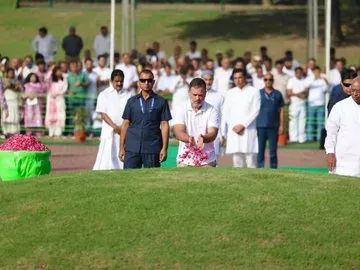
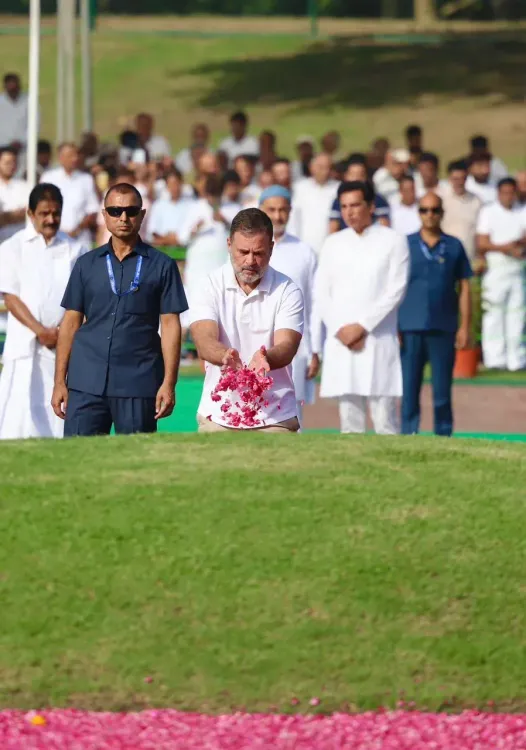
Congress leader Rahul Gandhi, Leader of the Opposition in Lok Sabha, on Wednesday, 27 May 2026, paid tribute to India's first Prime Minister Pandit Jawaharlal Nehru on his death anniversary, honouring his contribution to building a modern, inclusive, and progressive India.
Context
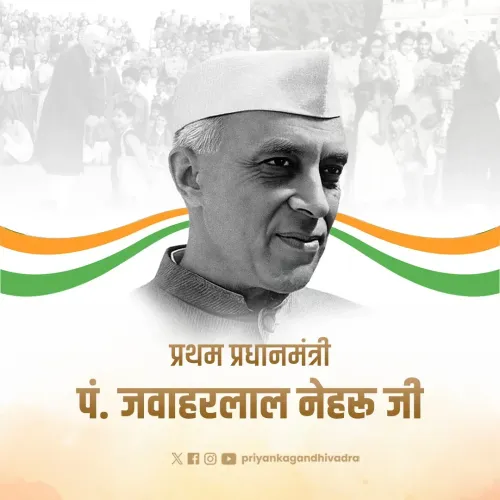
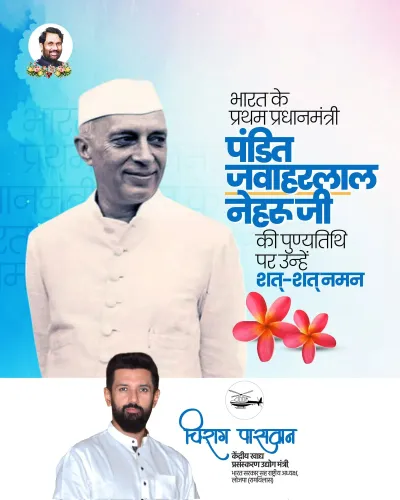
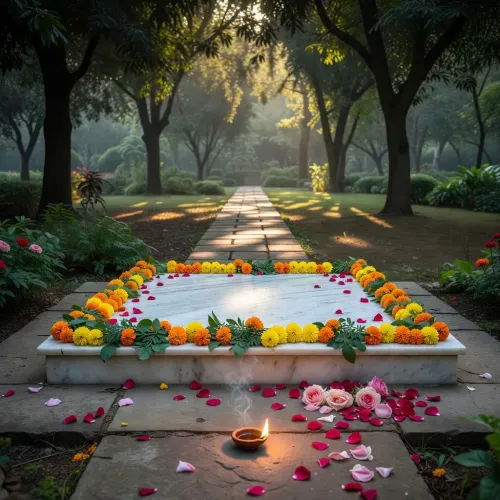
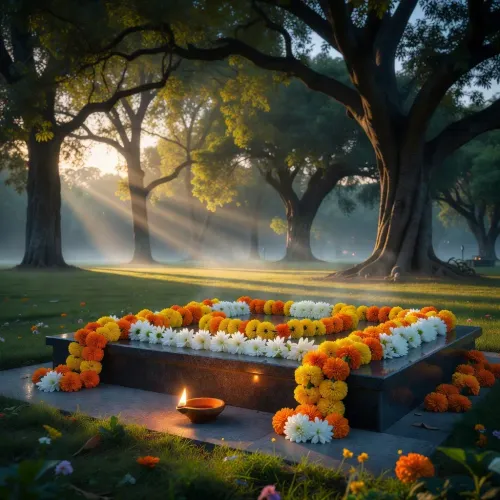
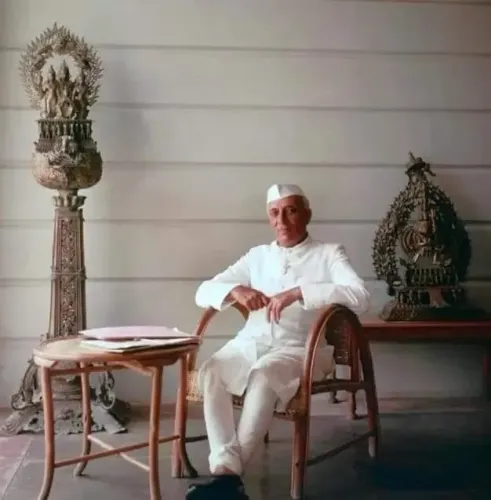
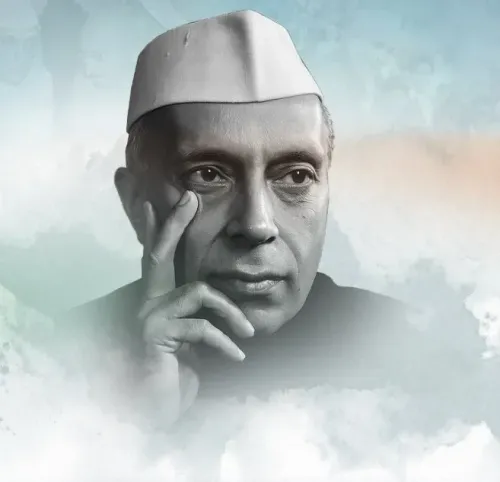
Posting in Hindi on 27 May, Gandhi offered what he described as a humble homage — 'विनम्र श्रद्धांजलि' ['a humble tribute'] — to Nehru, marking the anniversary of the former Prime Minister's passing. He wrote that Nehru 'dedicated his entire life to building an inclusive, harmonious, and progressive India while laying the strong foundations of modern India.' The post was accompanied by four images evoking Nehru's legacy.
Gandhi further referenced Nehru's commitment to freedom, democratic principles, and constitutional values, though the full text of the post was truncated in the original. The tribute reflects a consistent Congress practice of publicly commemorating Nehru on this date each year.
Policy Backdrop
Jawaharlal Nehru served as India's Prime Minister from 1947 until his death on 27 May 1964, a tenure spanning 17 years. His government oversaw the adoption of the Constitution of India in 1950, which established the secular, democratic framework that continues to underpin the republic. His famous 'Tryst with Destiny' address on 15 August 1947 articulated a founding commitment to democracy and inclusive nation-building.
Under Nehru, the Planning Commission was established in 1950 to steer India's first Five-Year Plans, prioritising self-reliance and industrial infrastructure. His government also formalised India's non-aligned foreign policy at the 1955 Bandung Conference, positioning India as a leader among newly independent nations.
Stakeholders and Impact
The tribute carries significance for Indian National Congress workers and supporters, for whom Nehru's legacy represents the ideological foundation of the party. The Congress, founded in 1885, governed post-independence India under Nehru and continues to invoke his vision of secular, inclusive development as a counter-narrative in contemporary political debates.
Political historians note that annual commemorations of Nehru by Congress leaders serve a dual purpose: reinforcing internal party identity and staking a claim in ongoing national debates over India's founding values. These tributes have gained heightened visibility in recent years amid sharper partisan contestation over the interpretation of post-independence history between the Congress and the ruling BJP.
What's Next
With 27 May marking Nehru's death anniversary, parliamentary tributes and opposition statements referencing his legacy are customary around this date. References to constitutional values and Nehruvian principles are also expected to surface during upcoming monsoon session debates. Gandhi's post signals that the Congress intends to keep Nehru's institutional legacy — particularly his role in shaping democratic and constitutional structures — at the centre of its political messaging in the months ahead.
Point of View
Gandhi is implicitly drawing a contrast with the ruling party's competing narrative about India's post-independence history. The tribute connects to a broader Congress strategy of reclaiming the ideological high ground on secularism and inclusive governance. As partisan battles over historical legacy intensify ahead of future electoral cycles, such commemorations function as low-cost, high-visibility signals of ideological continuity.
NationPress
23 Sept 2026
Frequently Asked Questions
When did Jawaharlal Nehru die?
Jawaharlal Nehru, India's first Prime Minister, died on 27 May 1964. His death anniversary is observed each year on this date.
Why does Rahul Gandhi pay tribute to Nehru every year?
Rahul Gandhi pays tribute to Nehru as part of Congress's tradition of honouring its founding leaders. Nehru is considered the ideological anchor of the party's commitment to secularism, democracy, and inclusive development.
What is Jawaharlal Nehru's legacy in Indian politics?
Nehru's legacy includes overseeing the adoption of the Constitution of India in 1950, establishing the Planning Commission, and championing non-aligned foreign policy. He is credited with laying the institutional foundations of modern democratic India.
What did Rahul Gandhi say about Nehru on his death anniversary in 2026?
Rahul Gandhi said Nehru dedicated his entire life to building an inclusive, harmonious, and progressive India while laying the strong foundations of modern India, and paid him a humble tribute on his death anniversary.
What is the significance of 27 May in Indian political history?
27 May marks the death anniversary of Jawaharlal Nehru, India's first Prime Minister, who passed away on this date in 1964. It is observed annually by Congress leaders and others as a day of remembrance and tribute.