Piyush Goyal: Work-Life Balance Is a Must for India
Synopsis
Commerce Minister Piyush Goyal sparked debate on 31 October 2026 by declaring work-life balance a necessity while celebrating diligence as core to India's identity — a bilingual post that enters an ongoing national conversation on productivity and wellbeing.
Key Takeaways
Piyush Goyal , Union Commerce and Industry Minister, posted on 31 October 2026 calling work-life balance 'a must.' He simultaneously described hard work as being in India's DNA , pairing two ideas often seen as competing.
The post was bilingual — English and Hindi — signalling a broad, cross-demographic audience.
It arrives amid an active national debate on overwork, burnout, and sustainable productivity in India's corporate and gig sectors.
Ministers from the BJP-led government have periodically addressed Indian work culture; Goyal's framing is notably balanced rather than prescriptive.
Hard work is written into India's character — but so, says Union Commerce and Industry Minister Piyush Goyal, is the right to step back. On Saturday, 31 October 2026, the senior BJP leader and Leader of the House in the Rajya Sabha posted a crisp, bilingual thought that has since sparked conversation: 'Work-Life Balance is a must, मेहनत करना भारत के DNA में है' — 'Work-Life balance is a must; hard work is in India's DNA.'
Two ideas, one sentence — and why they matter together
At first glance the statement looks like a contradiction: celebrate relentless effort, but also insist on balance. Read it again and the logic snaps into focus. Goyal is not asking Indians to work less — he is arguing that a culture capable of extraordinary diligence is also mature enough to protect the boundaries that make that diligence sustainable.
The framing lands in the middle of a live national debate. India's corporate sector, its gig economy, and its startup ecosystem have all wrestled publicly with questions of overwork, burnout, and what a healthy pace of productivity actually looks like. Voices across the political and business spectrum have weighed in — sometimes clashing sharply — and a minister of Goyal's seniority entering the conversation carries institutional weight.
The BJP government's recurring conversation on work culture
This is not the first time ministers from the ruling coalition have addressed the rhythm of Indian working life. BJP-led government leaders have periodically spoken to the intersection of ambition, tradition, and wellbeing — sometimes in ways that drew praise, sometimes criticism. Goyal's post is notably measured: it neither glorifies exhaustion nor dismisses the ethic of hard work that has driven India's economic rise. It holds both truths at once.
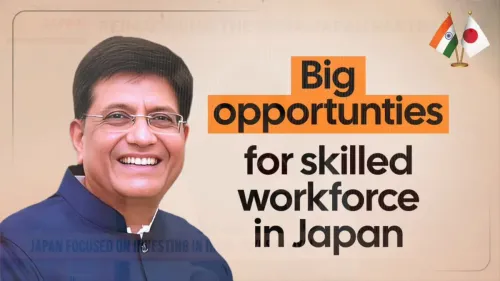
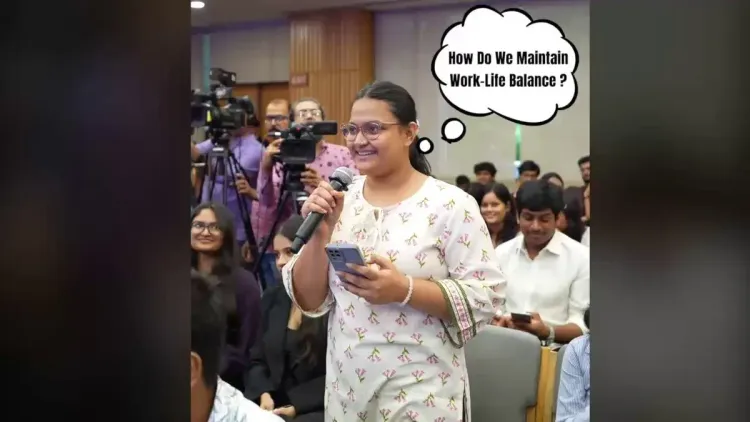
The post carried a video — the contents of which add visual dimension to the message — and was shared in a mix of English and Hindi, signalling it was aimed at both urban professionals and a broader, vernacular audience simultaneously.
The question the minister leaves hanging is the one India's workforce is already asking itself: how do you honour a culture of striving without letting it consume you? That tension isn't going away — and the fact that it is now being voiced from the cabinet table suggests the conversation has moved from break-room to boardroom.
Point of View
He pre-empts the charge that the ruling establishment is soft on productivity while still signalling awareness of burnout concerns that resonate with urban, aspirational voters. It is a careful triangulation at a moment when labour welfare is gaining policy visibility. Whether the sentiment translates into concrete legislative or regulatory action — on gig-worker protections, for instance — is the real test of its significance.
NationPress
31 Oct 2026
Frequently Asked Questions
What did Piyush Goyal say about work-life balance?
On 31 October 2026 , Goyal posted that work-life balance is 'a must' while also stating that hard work is in India's DNA, framing both as complementary rather than conflicting values.
Why is India's work-life balance debate significant in 2026?
India's corporate, startup, and gig sectors have faced growing scrutiny over long working hours and employee burnout, making the conversation around sustainable productivity a live political and economic issue.
What is Piyush Goyal's current role in the government?
Piyush Goyal is the Union Minister of Commerce and Industry and also serves as the Leader of the House in the Rajya Sabha, making him one of the most senior members of the BJP-led government.
Has the BJP government spoken about Indian work culture before?
Yes, ministers from the BJP-led government have periodically commented on Indian work culture and productivity, though the specific framing and emphasis have varied across statements.
What language did Piyush Goyal use in his work-life balance post?
Goyal used both English and Hindi in a single sentence — 'Work-Life Balance is a must, मेहनत करना भारत के DNA में है' — reflecting an intent to reach both urban English-speaking and broader Hindi-speaking audiences.