PM Modi Hails Mahadeva Kirtan Project in Bratislava
Synopsis
Prime Minister Narendra Modi attended a performance by the Mahadeva Kirtan Project in Bratislava on 14 June 2026 and publicly praised the Slovak ensemble's deep engagement with Indian spiritual traditions, framing it as a symbol of lasting cultural bonds between India and Slovakia.
Key Takeaways
PM Modi praised the Mahadeva Kirtan Project , a Slovak ensemble rooted in Indian devotional music, during his visit to Bratislava .
He described the initiative as a 'praiseworthy' reflection of enduring cultural ties between India and Slovakia .
India and Slovakia have maintained diplomatic relations since 1993 , following the dissolution of Czechoslovakia.
The endorsement aligns with Modi 's consistent use of cultural soft power during visits to EU member states.
Official readouts on new cultural cooperation agreements from the visit are awaited.
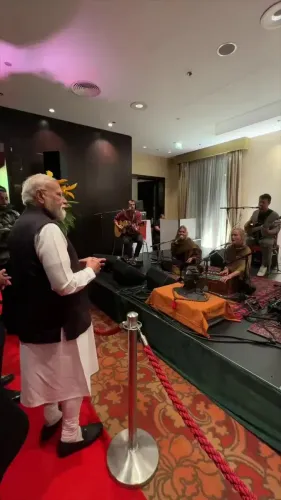
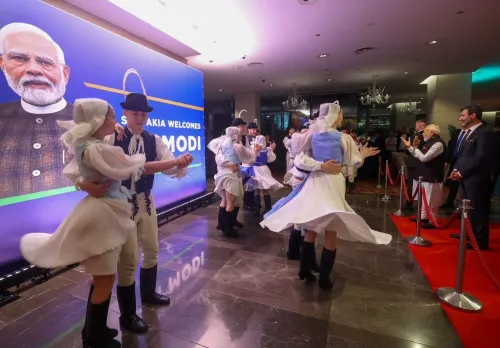
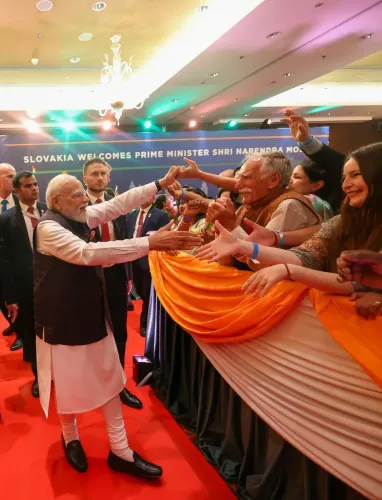
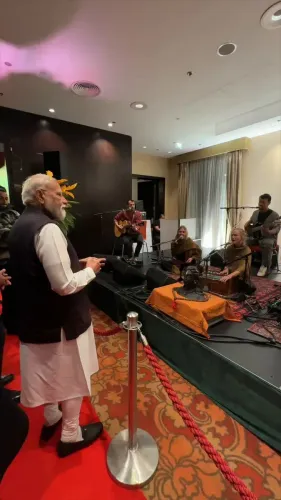
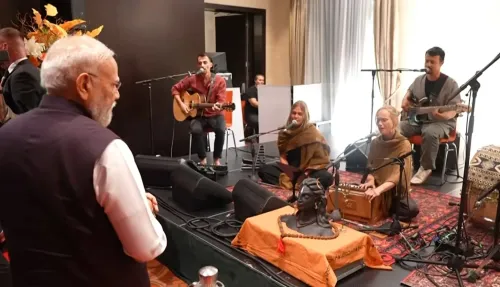
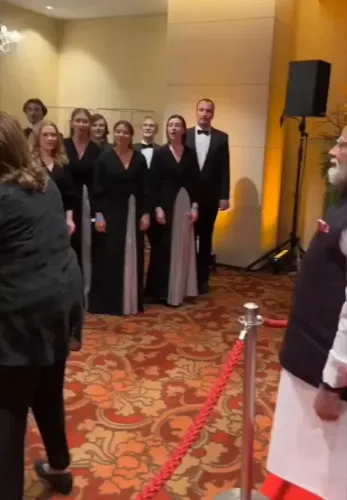
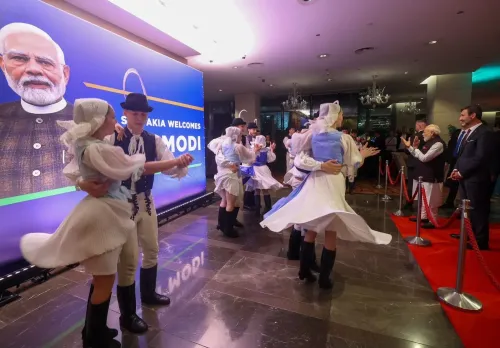
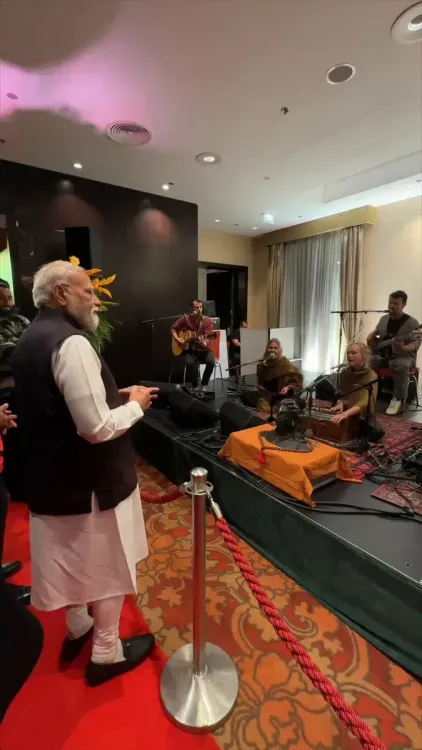
Prime Minister Narendra Modi on Monday, 15 June 2026, praised the Mahadeva Kirtan Project as a commendable initiative that highlights the enduring cultural ties between India and Slovakia, saying he witnessed the ensemble perform in Bratislava the previous evening.
Writing in Slovak on X, PM Modi noted: 'The Mahadeva Kirtan Project is a praiseworthy initiative that points to the enduring cultural bonds between India and Slovakia. Yesterday in Bratislava I witnessed a performance by this ensemble. It is admirable how deeply they draw inspiration from Indian spiritual traditions.' The post was accompanied by a video from the event.
Context
The Mahadeva Kirtan Project is a Slovak cultural ensemble rooted in Indian devotional music traditions, particularly kirtan — a form of call-and-response chanting associated with Hindu spiritual practice. PM Modi's public endorsement during what appears to be an official visit to Bratislava underscores the growing people-to-people dimension of India–Slovakia relations.
Slovakia established diplomatic relations with India in 1993, following the dissolution of Czechoslovakia. While bilateral economic ties remain modest, cultural and academic exchanges have formed a quiet but consistent thread in the relationship.
Policy Backdrop
PM Modi has consistently deployed cultural soft power as a diplomatic instrument during visits to European Union member states. References to shared spiritual heritage, yoga, and classical arts have featured prominently in his engagements across Central and Eastern Europe.
This approach fits within India's broader multi-aligned foreign policy, which seeks to deepen people-to-people links alongside political and economic dialogues, particularly with smaller EU partners that may not anchor bilateral ties in large trade volumes alone.
Stakeholders and Impact
The Mahadeva Kirtan Project and the Slovak audiences who engage with Indian devotional traditions stand to benefit from the visibility that a prime-ministerial endorsement brings. Cultural groups in Slovakia that have long worked to bridge Indian spiritual practices with European audiences now have a high-profile stamp of recognition.
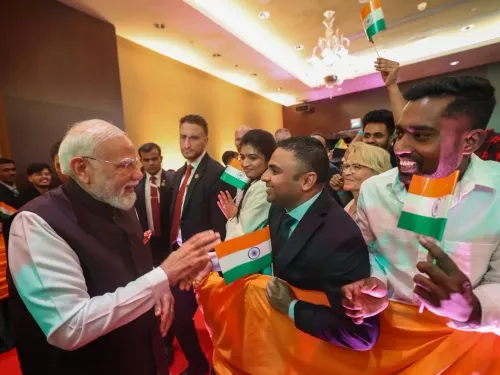
For the Indian diaspora and cultural practitioners across Central Europe, the gesture signals that New Delhi views grassroots cultural initiatives as legitimate instruments of bilateral engagement, not merely state-organised showcases.
What's Next
Official readouts from the visit are expected to detail any new cultural cooperation mechanisms, institutional partnerships, or reciprocal commitments by Slovak authorities. A formal cultural exchange agreement or a memorandum of understanding on people-to-people ties would be a natural follow-on from the prime minister's public appreciation.
The spotlight on the Mahadeva Kirtan Project may also prompt greater interest from Indian cultural bodies such as the Indian Council for Cultural Relations (ICCR) in supporting similar ensembles across Europe, reinforcing India's soft-power outreach at a time when its engagement with the EU is deepening on multiple fronts.
Point of View
Suggesting the outreach is calibrated for a local audience rather than a domestic one. This fits a broader pattern in which New Delhi treats people-to-people links as a long-term strategic asset, particularly in Central and Eastern Europe where India's economic footprint is still limited. The move positions cultural diplomacy as a complement to, rather than a substitute for, the harder economic and political conversations that will define India–EU ties in the years ahead.
NationPress
15 Sept 2026
Frequently Asked Questions
What is the Mahadeva Kirtan Project?
The Mahadeva Kirtan Project is a Slovak cultural ensemble that draws inspiration from Indian devotional music and spiritual traditions, particularly the practice of kirtan, which involves call-and-response chanting rooted in Hindu worship.
Why did PM Modi visit Bratislava?
PM Modi was in Bratislava as part of a bilateral engagement with Slovakia. He attended a performance by the Mahadeva Kirtan Project on 14 June 2026 and publicly praised the ensemble the following day.
What are India–Slovakia relations like?
India and Slovakia established diplomatic relations in 1993 after the dissolution of Czechoslovakia. The relationship is characterised by cultural and academic exchanges, with economic ties remaining relatively modest compared to India's links with larger EU economies.
How does PM Modi use cultural diplomacy in Europe?
PM Modi routinely highlights shared spiritual heritage, yoga, and classical arts during visits to European Union member states. This cultural soft-power approach complements India's political and economic outreach, especially to Central and Eastern European partners.
What could follow PM Modi's praise of the Mahadeva Kirtan Project?
Official readouts from the Bratislava visit may announce new cultural cooperation agreements or institutional partnerships. Indian cultural bodies such as the ICCR could also extend support to similar European ensembles inspired by Indian traditions.