PM Modi Reaffirms India-Israel Friendship in Reply to Netanyahu
Synopsis
Prime Minister Narendra Modi publicly responded to Israeli PM Benjamin Netanyahu on June 10, 2026, thanking him for gracious wishes and reaffirming that India-Israel friendship will continue to grow stronger — a signal of the enduring personal and strategic bond between the two nations.
Key Takeaways
PM Modi replied to Israeli PM Benjamin Netanyahu on X on June 10, 2026 , calling him 'my friend' and expressing gratitude for wishes.
Modi stated that India-Israel friendship will 'continue to grow from strength-to-strength in the years to come.' India established full diplomatic relations with Israel in 1992 ; ties deepened significantly after 2014 under the BJP -led government.
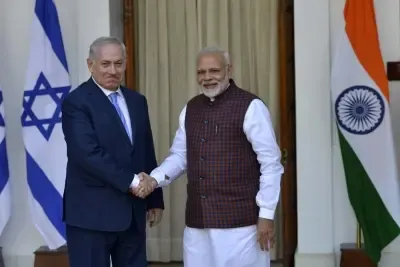
Modi made the first-ever official visit by an Indian PM to Israel in July 2017 ; Netanyahu visited India in January 2018 .
Key areas of cooperation include defence procurement , agricultural technology , and counter-terrorism collaboration.
India maintains parallel engagement with Palestinian authorities, reflecting its issue-based approach to Middle East diplomacy.
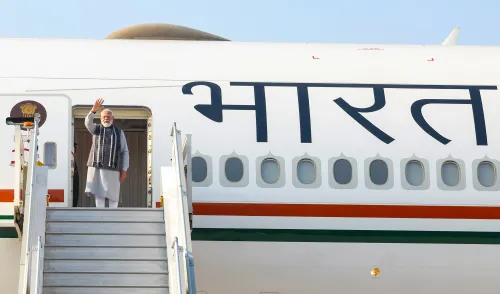
Prime Minister Narendra Modi on Wednesday, June 10, 2026, publicly responded to Israeli Prime Minister Benjamin Netanyahu on X, expressing gratitude for birthday or goodwill wishes and affirming that bilateral ties between India and Israel will continue to strengthen.
Context
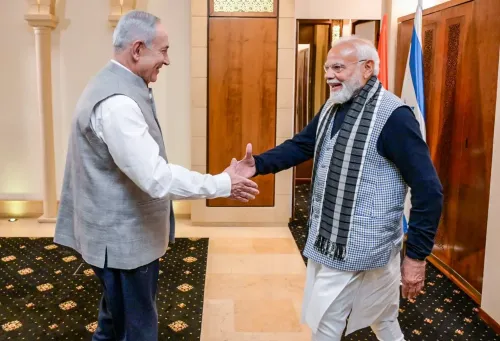
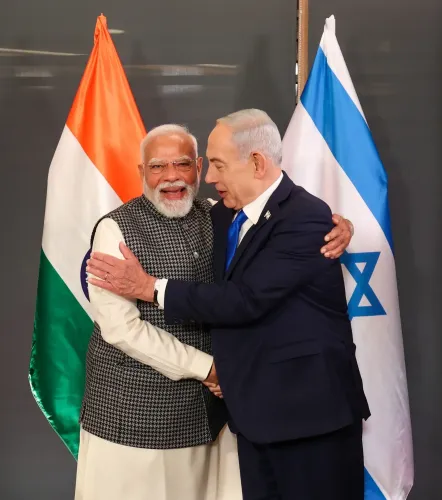
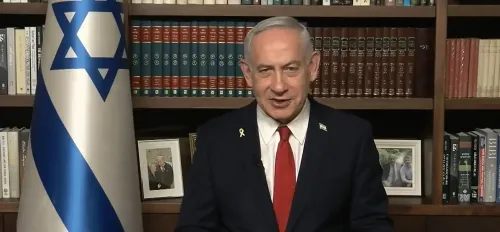
In his post, Prime Minister Modi wrote: 'Thank you, my friend, for your most gracious wishes. I fully agree with you. India-Israel friendship will continue to grow from strength-to-strength in the years to come.' The exchange, directed at @IsraeliPM and @netanyahu, reflects the personal diplomatic rapport the two leaders have cultivated over nearly a decade of direct engagement.
The public nature of the exchange — both leaders using their official social media handles — underscores how bilateral diplomacy is increasingly conducted in visible, citizen-facing formats alongside traditional channels.
Policy Backdrop
India established full diplomatic relations with Israel in 1992, ending decades of limited engagement. The relationship deepened sharply after 2014, when the BJP-led government under Modi prioritised closer strategic ties with Tel Aviv.
Prime Minister Modi made the first-ever official visit by an Indian Prime Minister to Israel in July 2017, a landmark moment in bilateral history. Prime Minister Netanyahu reciprocated with a visit to India in January 2018, during which both sides signed several cooperation agreements spanning defence, agriculture, water technology, and innovation.
Since 1992, and accelerating through both UPA and NDA administrations, bilateral trade and security dialogues have grown steadily. Israel has become one of India's key partners in defence procurement, joint research and development, and agricultural technology — particularly in drip irrigation and water management systems critical to Indian farmers.
Stakeholders and Impact
India's defence forces are among the primary beneficiaries of the bilateral relationship, with Israel supplying advanced missile systems, surveillance drones, and other platforms that form a significant part of the Indian military's inventory. The agricultural sector, particularly in water-scarce states, has also drawn on Israeli expertise in precision farming and irrigation.
India has historically maintained simultaneous engagement with Palestinian authorities, reflecting a broader foreign-policy preference for issue-based partnerships rather than bloc alignments in the Middle East. The Modi-Netanyahu personal dynamic has not displaced this balancing approach but has added a visible warmth to the strategic partnership.
What's Next
Public exchanges of this nature between heads of government often precede or follow substantive diplomatic activity. Future high-level meetings, new memoranda of understanding on defence systems, or expanded cooperation on water technology could follow this visible reaffirmation of ties.
As both nations navigate complex regional environments — India in South Asia and Israel in the Middle East — the personal bond between their leaders provides a diplomatic floor that is likely to sustain bilateral momentum regardless of shifting geopolitical currents.
Point of View
2026, is a small but deliberate diplomatic signal — public reaffirmations of personal warmth between heads of government carry weight in foreign-policy circles, particularly when both nations face complex regional pressures. For India, the post reinforces a consistent arc since 2014: elevating the Israel relationship from a quiet procurement partnership to a visible strategic friendship without abandoning its traditional multi-alignment posture. The 'strength-to-strength' phrase echoes language both leaders have used at bilateral summits, suggesting continuity of intent. Analysts will watch whether this exchange is followed by substantive announcements on defence or technology cooperation.
NationPress
20 Sept 2026
Frequently Asked Questions
What did PM Modi say to Netanyahu on June 10 2026?
PM Modi thanked Israeli PM Benjamin Netanyahu for 'most gracious wishes' and said he fully agrees that India-Israel friendship will 'continue to grow from strength-to-strength in the years to come.'
When did India establish diplomatic relations with Israel?
India established full diplomatic relations with Israel in 1992, ending decades of limited engagement between the two countries.
Has PM Modi visited Israel?
Yes. PM Modi made the first-ever official visit by an Indian Prime Minister to Israel in July 2017, a landmark moment in the bilateral relationship.
What are the main areas of India-Israel cooperation?
The key areas of India-Israel cooperation include defence procurement and joint R&D, agricultural technology such as drip irrigation, water management, and counter-terrorism collaboration.
Does India also engage with Palestinian authorities?
Yes. India maintains separate engagement with Palestinian authorities alongside its strategic partnership with Israel, reflecting its broader preference for issue-based, non-bloc-aligned diplomacy in the Middle East.