PM Modi Speaks With Netanyahu, Reviews India-Israel Ties
Synopsis
Prime Minister Narendra Modi spoke with Israeli PM Benjamin Netanyahu on 6 August 2026, reviewing the India-Israel strategic partnership and the situation in West Asia. The call reflects a relationship built steadily since 1992, now spanning defence, agriculture, and technology.
Key Takeaways
PM Narendra Modi held a phone call with Israeli PM Benjamin Netanyahu on 6 August 2026 .
The leaders reviewed progress across 'various aspects of the special strategic partnership' between India and Israel .
Both sides exchanged views on the 'current situation in West Asia .' Full India-Israel diplomatic relations were established in 1992 ; Modi made the first Indian PM visit to Israel in July 2017 .
The partnership spans defence procurement, precision agriculture, water technology, and homeland security .
India participates with Israel in the I2U2 minilateral grouping alongside the UAE and the United States.
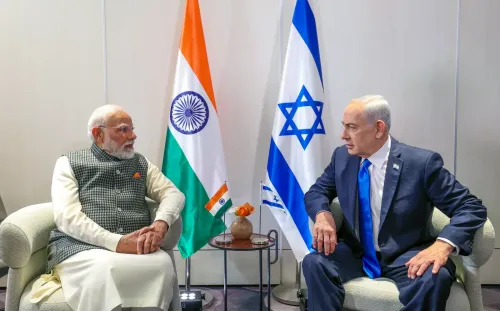
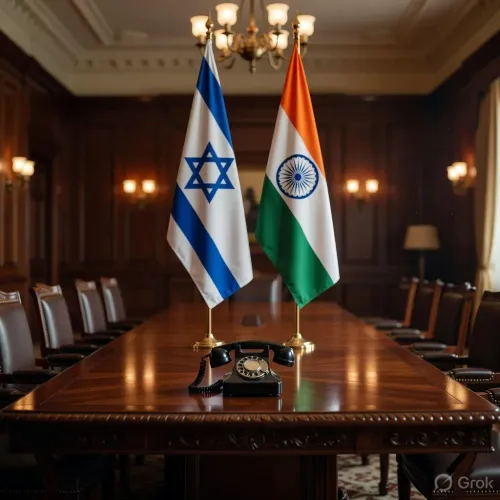
Prime Minister Narendra Modi held a telephone conversation with Israeli Prime Minister Benjamin Netanyahu on Thursday, 6 August 2026, reviewing the breadth of the two countries' strategic partnership and exchanging views on the evolving situation across West Asia.
Modi confirmed the call on X, writing in Hebrew that the two leaders 'reviewed progress across various aspects of the special strategic partnership between India and Israel, which continues to strengthen and develop steadily,' and that they also 'exchanged views regarding the current situation in West Asia.'
Three Decades of Strategic Depth
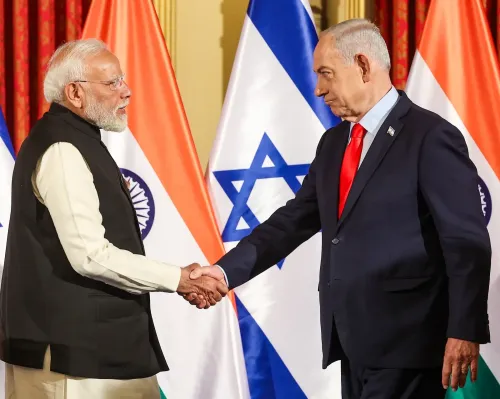
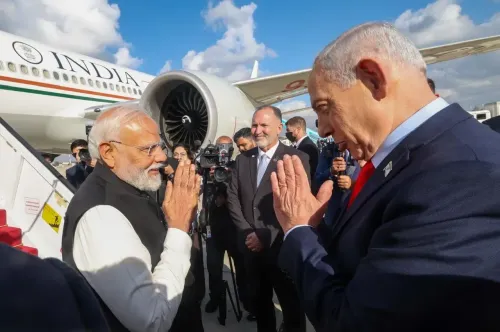
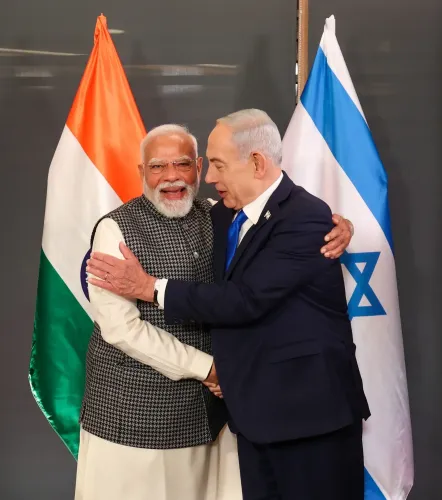
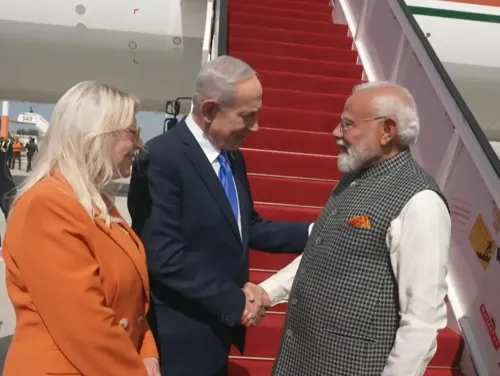
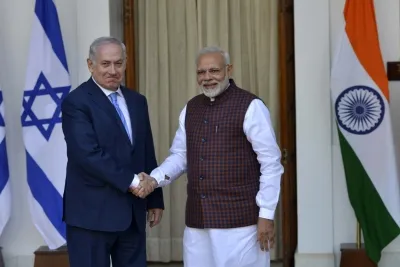
The call draws on a relationship that has been quietly but steadily built since India and Israel established full diplomatic relations in 1992. What began as a cautious opening has grown into a partnership spanning defence procurement, precision agriculture, water technology, and homeland security. The landmark came in July 2017, when Modi became the first sitting Indian prime minister to visit Israel — a signal, unmistakable in diplomatic terms, that New Delhi was prepared to own the relationship publicly. Netanyahu returned the visit in January 2018, cementing the personal rapport that has since made direct phone calls a routine instrument of statecraft between the two capitals.
West Asia on the Agenda
The reference to the 'current situation in West Asia' places this call in a broader regional context. India has long walked a careful line in the Middle East — maintaining deep ties with Israel in security and technology while preserving its traditional relationships across the Arab world and protecting the interests of its large diaspora in the Gulf. High-level telephone exchanges have become a reliable channel for India to stay engaged with developments in the region without committing to formal alliance structures. That balancing act is itself a foreign-policy achievement — few countries manage it as consistently as New Delhi has.
Where the Partnership Is Headed
Analysts watching the India-Israel relationship will be tracking whether this conversation feeds into upcoming bilateral defence or innovation reviews, or finds expression in minilateral formats such as the I2U2 grouping — which brings together India, Israel, the United Arab Emirates, and the United States — where the two countries already coordinate on food security, clean energy, and infrastructure. A phone call at this level rarely happens in a vacuum; it tends to precede or follow concrete movement on the ground.
For Modi, posting the readout in Hebrew is itself a gesture — a signal to an Israeli audience that the engagement is personal, not merely institutional. In the grammar of modern diplomacy, that detail is not accidental.
Point of View
Including Modi posting in Hebrew, signals confidence that New Delhi's Arab-world relationships are secure enough to absorb the optics. The West Asia reference is the most consequential detail: it suggests India is positioning itself as an informed regional interlocutor, not merely a bilateral partner. Watching whether this conversation surfaces in I2U2 or other multilateral formats will reveal how transactional versus strategic the exchange truly was.
NationPress
21 Sept 2026
Frequently Asked Questions
Why did PM Modi call Benjamin Netanyahu?
PM Modi received a call from Israeli PM Benjamin Netanyahu on 6 August 2026 to review progress in the India-Israel strategic partnership and discuss the current situation in West Asia.
What is the India-Israel strategic partnership?
India and Israel have maintained full diplomatic relations since 1992, with cooperation spanning defence procurement, precision agriculture, water technology, and homeland security. PM Modi visited Israel in July 2017 — the first visit by an Indian prime minister.
What is the I2U2 group that India and Israel are part of?
I2U2 is a minilateral grouping comprising India, Israel, the United Arab Emirates, and the United States, focused on cooperation in areas such as food security, clean energy, and infrastructure.
What did Modi and Netanyahu discuss about West Asia?
According to Modi's post, the two leaders exchanged views on the 'current situation in West Asia,' though the specific content of that discussion was not disclosed.
When did Modi last visit Israel?
PM Modi visited Israel in July 2017, becoming the first sitting Indian prime minister to do so. Israeli PM Netanyahu reciprocated with a visit to India in January 2018.