Modi-Netanyahu call: West Asia situation, India-Israel ties reviewed
Synopsis
As West Asia remains on edge, Prime Minister Modi and Israeli PM Netanyahu connected directly — reviewing a partnership that has expanded from defence to AI, semiconductors, and space. The call, following Modi's February State Visit to Israel, signals New Delhi is keeping its Tel Aviv channel firmly open despite the region's volatility.
Key Takeaways
PM Narendra Modi received a phone call from Israeli PM Benjamin Netanyahu on Thursday evening .
Both leaders reviewed the India-Israel Special Strategic Partnership and discussed the West Asia situation.
Modi confirmed the call in a post on X , stating the partnership 'continues to grow from strength-to-strength.' The call follows Modi's two-day State Visit to Israel in February , during which the partnership was elevated to a 'Special Strategic Partnership for Peace, Innovation and Prosperity.' The bilateral framework covers AI, cybersecurity, semiconductors, defence, agriculture, water management , and space exploration .
Both leaders agreed to remain in touch , according to the PMO .
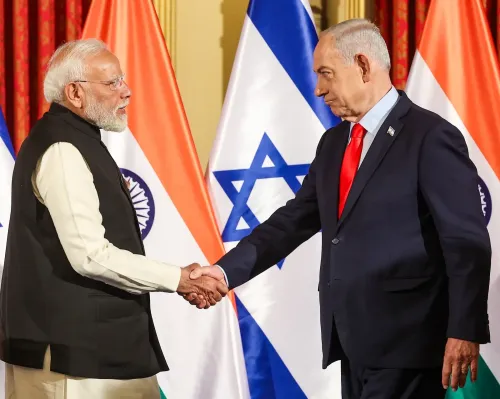
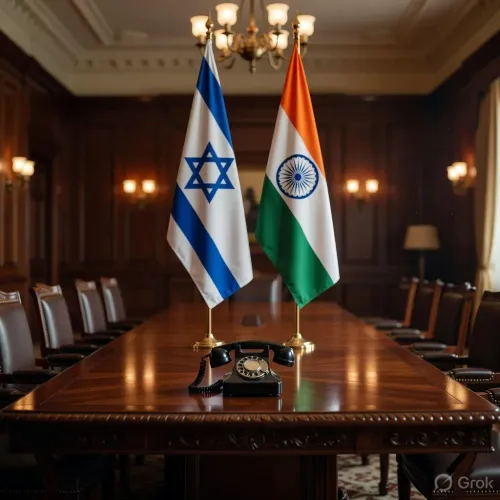
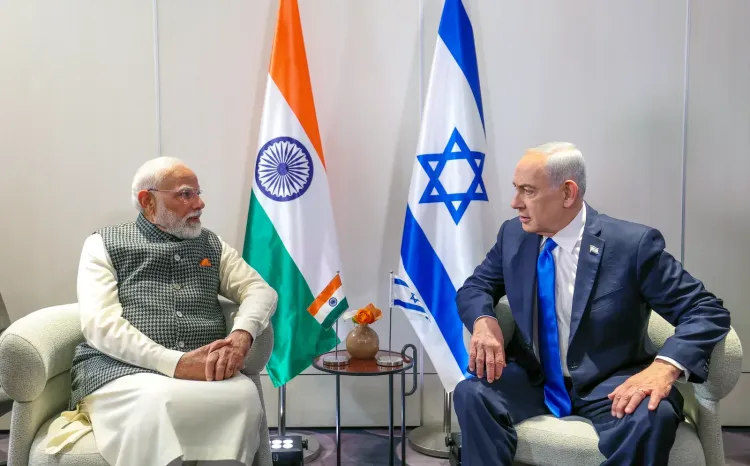
Prime Minister Narendra Modi on Thursday evening received a phone call from Israeli Prime Minister Benjamin Netanyahu, during which the two leaders reviewed progress on the India-Israel Special Strategic Partnership and exchanged views on the evolving situation in West Asia. The call underscores the deepening diplomatic engagement between the two nations at a time of heightened regional tensions.
What the Leaders Discussed
According to the Prime Minister's Office (PMO), both leaders reviewed sustained progress in the bilateral partnership and reaffirmed their commitment to strengthening cooperation across multiple sectors for the mutual benefit of both countries. 'The two leaders agreed to remain in touch,' the PMO stated.
Modi confirmed the conversation on X (formerly Twitter), writing: 'Received a phone call from Prime Minister Benjamin Netanyahu. We reviewed progress on various aspects of the India-Israel Special Strategic Partnership which continues to grow from strength-to-strength. We also exchanged views on the current situation in West Asia.'
The Foundation: A Special Strategic Partnership
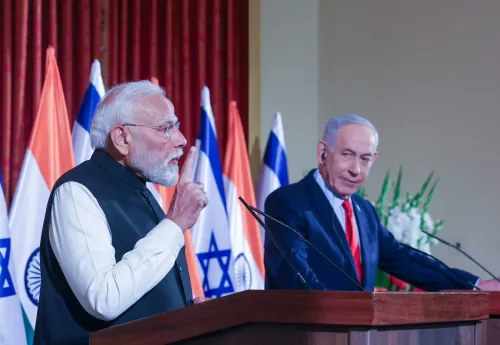
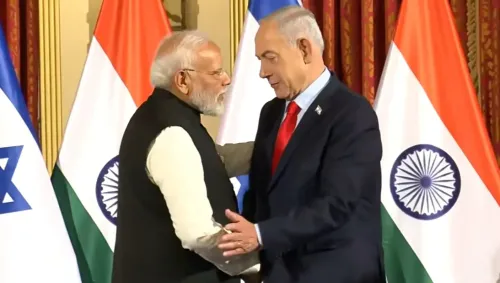
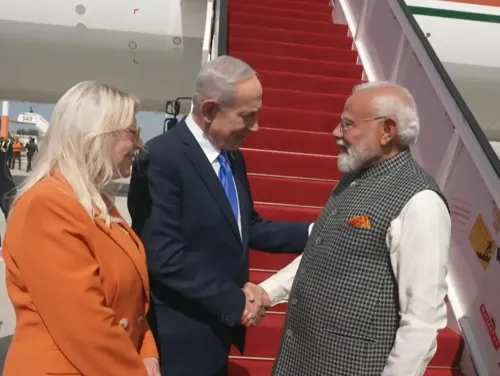
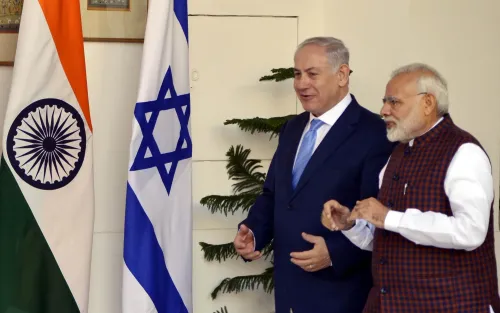
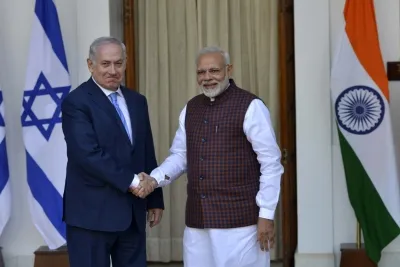
The call follows a two-day State Visit by Modi to Israel in February, accompanied by a high-level delegation of senior ministers and officials. During that visit, the two leaders recalled Modi's historic 2017 visit to Israel and Netanyahu's 2018 visit to India — milestones that laid the groundwork for a new era of bilateral collaboration.
Both sides noted 'immense progress' in the relationship across domains including emerging technologies, cyber, agriculture, water management, health, entrepreneurship, defence, and security. The partnership was formally elevated during the February visit to a 'Special Strategic Partnership for Peace, Innovation and Prosperity.'
Technology and Innovation at the Core
The India-Israel Joint Statement issued on 26 February articulated a shared vision that positions Israel as a 'global powerhouse of technology and innovation' and India as a 'hub of talent, manufacturing excellence and entrepreneurial energy.'
Both governments committed to integrating advances in AI, cybersecurity, semiconductors, quantum computing, biotechnology, agriculture and water management, defence platforms, and space exploration. The partnership is framed as a strategic enabler of India's Atmanirbhar Bharat and Viksit Bharat 2047 vision.
Why This Call Matters Now
The phone call comes amid an ongoing conflict in West Asia that has drawn in multiple regional actors and drawn sustained international attention. India has historically maintained a careful diplomatic balance in the region — engaging Israel on security and technology while sustaining ties with Arab nations and advocating for a negotiated resolution to the Palestinian question. The direct leader-level conversation signals that New Delhi is keeping its channels with Tel Aviv active even as it navigates a complex regional landscape.
With the bilateral partnership now spanning over three decades since the establishment of full diplomatic relations in 1992, the current trajectory marks one of the most substantive phases of India-Israel engagement in recent history. Further high-level interactions are expected as both sides work toward implementing commitments made during the February summit.
Point of View
India's decision to maintain direct, visible leader-level contact with Israel — while continuing to call for dialogue and restraint — reflects a deliberate dual-track diplomacy. What is less examined is the strategic depth now embedded in the India-Israel relationship: the February summit moved the needle from defence transactions to a technology integration agenda spanning AI, semiconductors, and quantum computing. That pivot matters because it embeds Israel into India's Viksit Bharat supply chain ambitions in ways that are harder to unwind than arms deals. The question is whether New Delhi can sustain this warmth with Tel Aviv without complicating its standing with Gulf partners and the broader Global South — a balancing act that will only grow more complex as the West Asia conflict evolves.
NationPress
21 Sept 2026
Frequently Asked Questions
Why did PM Modi and Netanyahu speak on the phone?
Prime Minister Modi and Israeli PM Netanyahu spoke to review progress on the India-Israel Special Strategic Partnership and to exchange views on the current situation in West Asia. The call was confirmed by Modi himself in a post on X and by the Prime Minister's Office.
What is the India-Israel Special Strategic Partnership?
It is the elevated framework of bilateral relations between India and Israel, formalised during Modi's State Visit to Israel in February as the 'Special Strategic Partnership for Peace, Innovation and Prosperity.' It spans defence, AI, cybersecurity, semiconductors, agriculture, water management, and space exploration.
What was discussed during Modi's February visit to Israel?
During the two-day State Visit in February, Modi and Netanyahu noted 'immense progress' across diverse sectors and agreed to elevate the bilateral partnership. A joint statement issued on 26 February committed both countries to integrating capabilities in AI, quantum computing, biotechnology, and defence platforms, aligned with India's Viksit Bharat 2047 vision.
What is India's position on the West Asia conflict?
India has historically maintained a balanced approach in West Asia — sustaining strong ties with Israel on security and technology while engaging Arab nations and advocating for a negotiated resolution. The phone call indicates New Delhi is keeping direct communication with Tel Aviv active amid ongoing regional tensions.
When did India and Israel establish full diplomatic relations?
India and Israel established full diplomatic relations in 1992. The current phase of engagement, spanning defence, technology, and innovation, is considered one of the most substantive in the relationship's history.