Modi becomes India's longest-serving elected PM with 4,399 days
Synopsis
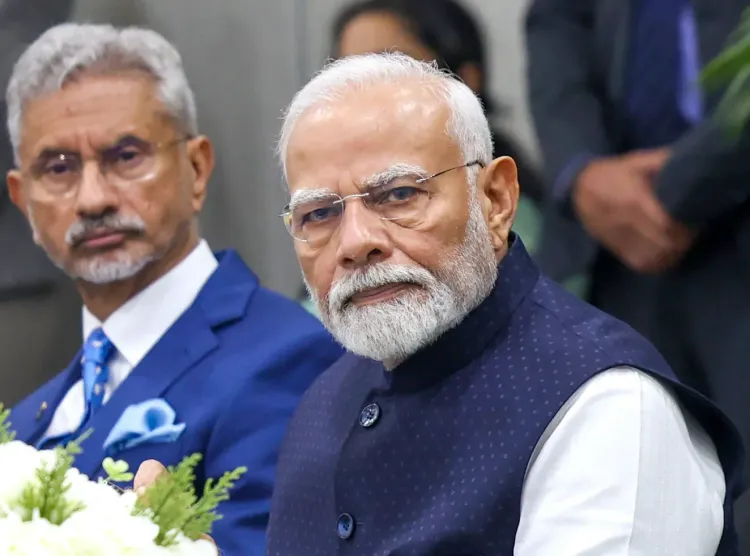
On 10 June 2025, Narendra Modi crossed 4,399 days as an elected Prime Minister — surpassing Jawaharlal Nehru's record to become India's longest continuously serving elected PM. EAM Jaishankar marked the moment on X, framing it as a verdict of sustained public trust across three consecutive mandates since 2014.
Key Takeaways
PM Narendra Modi became India's longest-serving elected Prime Minister on 10 June 2025 , with 4,399 days in office.
He surpassed former PM Jawaharlal Nehru's record; Nehru's count begins from 1952 , the year of India's first general elections.
Indira Gandhi served over 14 years in total but her tenure was non-continuous, making Modi's record specifically for unbroken service.
Jaishankar congratulated Modi in a post on X , citing the public's 'enduring trust and confidence.' Modi's tenure spans three consecutive mandates: 2014 , 2019 , and 2024 .
The NDA held a special meeting in New Delhi to mark 12 years of the alliance in government.
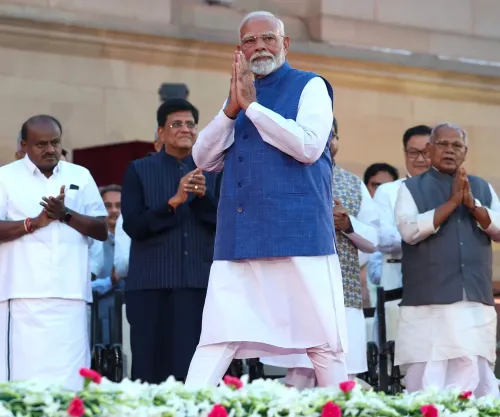
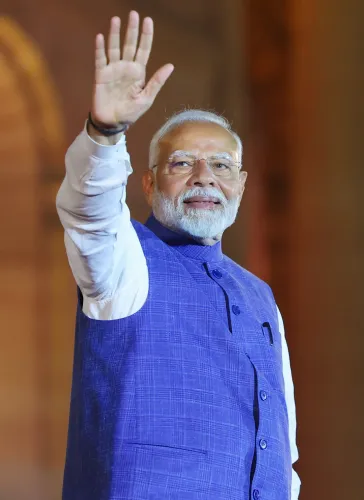
Prime Minister Narendra Modi on Wednesday, 10 June 2025, became India's longest-serving elected Prime Minister, surpassing former Prime Minister Jawaharlal Nehru's record with 4,399 days continuously in office. External Affairs Minister S. Jaishankar was among the first to mark the milestone, calling it a reflection of the Indian public's enduring faith in Modi's governance.
Jaishankar's Tribute
In a post on X, EAM Jaishankar wrote: 'Making history, one day at a time. Congratulations to PM Narendra Modi on becoming India's longest-serving elected Prime Minister, with 4399 days in office today. This remarkable achievement reflects the enduring trust and confidence the people of India in PM Modi's commitment to national development.'
The message from India's top diplomat underscored the political significance of the milestone within the ruling establishment.
How the Record Was Set
Modi's unbroken run began with his first swearing-in in May 2014, followed by successive mandates in 2019 and a historic third consecutive term in 2024. The comparison with Nehru begins from 1952 — the year of India's first general elections — rather than from 1947, since Nehru headed an interim government between independence and the first polls.
Notably, former Prime Minister Indira Gandhi served for more than 14 years in total, but her tenure was non-continuous. Modi's record is specifically as the longest continuously serving elected Prime Minister in the country's history.
Infrastructure and Nation-Building Milestones
The 12-year tenure has been marked by a series of high-profile infrastructure projects. These include the new Parliament building, the Central Vista redevelopment, Kartavya Path, Vande Bharat trains, the Statue of Unity, aircraft carrier INS Vikrant, the Kashmir rail link, Noida International Airport, the Namo Bharat RRTS, and the Ganga Expressway.
NDA Marks 12 Years at the Centre
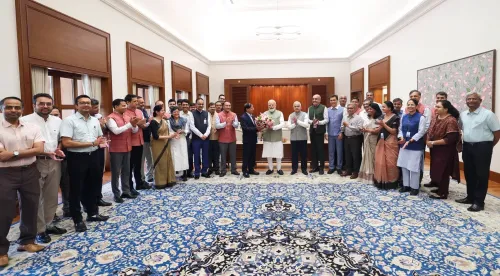
The National Democratic Alliance (NDA) convened a meeting in New Delhi on Wednesday to formally celebrate the completion of 12 years of the NDA government at the Centre. The gathering brought together coalition partners and senior leaders to mark what the ruling alliance has positioned as a transformative era in Indian governance.
As Modi enters his record-extending days in office, attention will increasingly turn to the policy agenda for the remainder of his third term and whether the infrastructure momentum translates into measurable gains in employment and per-capita income.
Point of View
But the milestone invites scrutiny as much as celebration. Three consecutive mandates have delivered visible infrastructure — from Vande Bharat to INS Vikrant — yet India's per-capita income and formal employment metrics remain contested benchmarks. The NDA's decision to hold a coalition meeting on the same day signals that the record is being actively deployed as political capital ahead of upcoming state elections. Whether longevity in office translates into lasting institutional and economic transformation is the question the next phase of Modi's tenure will have to answer.
NationPress
26 Oct 2026
Frequently Asked Questions
How did Modi become India's longest-serving elected Prime Minister?
PM Narendra Modi crossed 4,399 days in office on 10 June 2025, surpassing Jawaharlal Nehru's record. The comparison counts Nehru's tenure from 1952 — when India held its first general elections — not from 1947 when he led an interim government.
Why is Indira Gandhi not counted as the longest-serving PM?
Indira Gandhi served for more than 14 years in total, but her tenure was non-continuous. Modi holds the record specifically as the longest continuously serving elected Prime Minister in India's history.
What did EAM Jaishankar say about Modi's record?
External Affairs Minister S. Jaishankar posted on X that the milestone 'reflects the enduring trust and confidence the people of India in PM Modi's commitment to national development,' congratulating him on 4,399 days in office.
What major projects mark Modi's 12-year tenure?
Key infrastructure milestones include the new Parliament building, Central Vista redevelopment, Kartavya Path, Vande Bharat trains, the Statue of Unity, INS Vikrant, the Kashmir rail link, Noida International Airport, Namo Bharat RRTS, and the Ganga Expressway.
How many terms has PM Modi served?
Modi has served three consecutive terms — first sworn in during May 2014, re-elected in 2019, and securing a historic third consecutive mandate in 2024, making him the only PM to win three back-to-back majorities in the NDA era.