PM Modi wraps Philippines visit, thanks President Marcos
Synopsis
Prime Minister Narendra Modi concluded a Philippines visit on 17 November 2026, thanking President Ferdinand Marcos Jr. and describing the trip as aimed at strengthening bilateral and multilateral ties — a fresh push under India's Act East Policy toward deeper ASEAN engagement.
Key Takeaways
Prime Minister Narendra Modi wrapped up a Philippines visit on 17 November 2026 , calling it 'fruitful.' The visit targeted bilateral ties with the Philippines and multilateral linkages with other nations, consistent with India's Act East Policy .
President Ferdinand 'Bongbong' Marcos Jr. was directly thanked by the Prime Minister in his public post.
India's last major leader-level engagement with Manila was at the ASEAN-India Commemorative Summit in November 2017 .
The Philippines is an ASEAN member with strategic significance in the South China Sea , making it a key partner for India's maritime and defence outreach.
Follow-up on any agreements or memoranda signed during the visit, and India's posture at the next ASEAN-India Summit , will be the key metrics to watch.
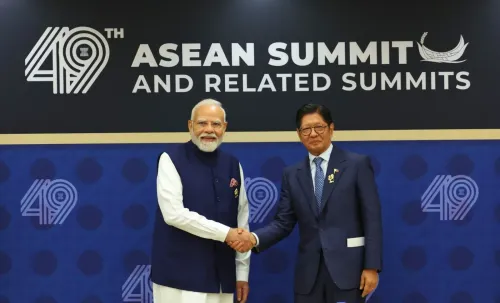
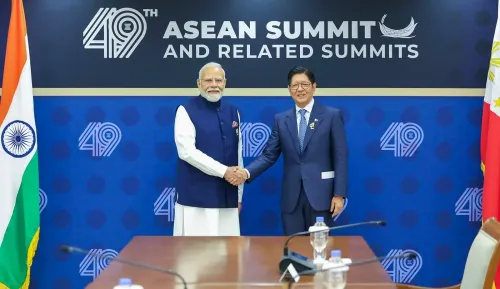
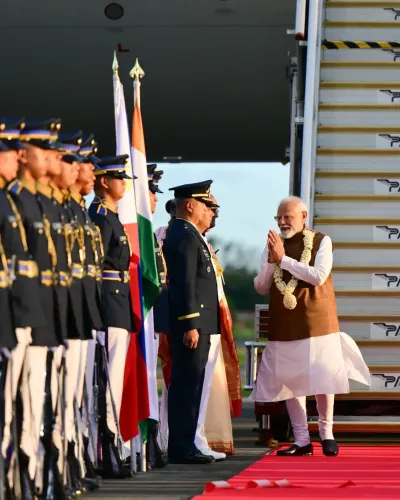
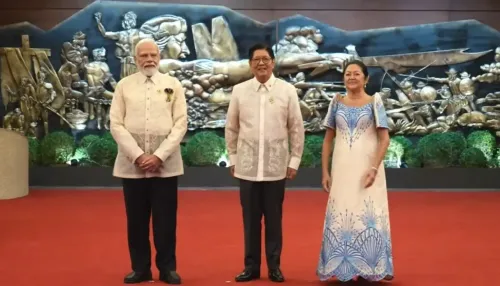
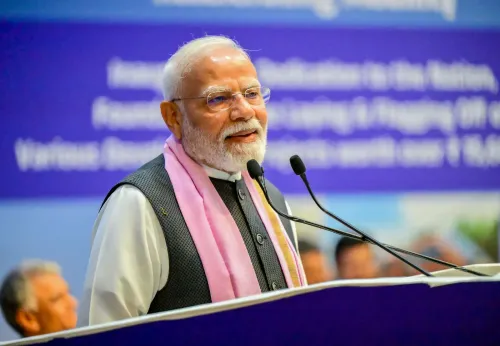
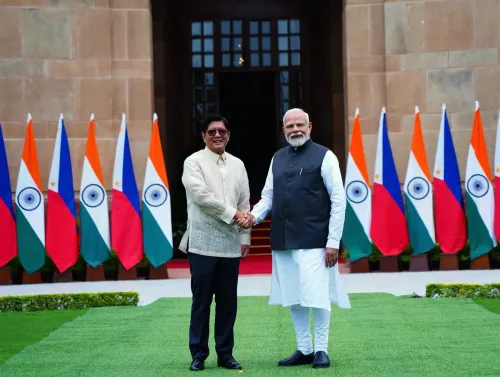
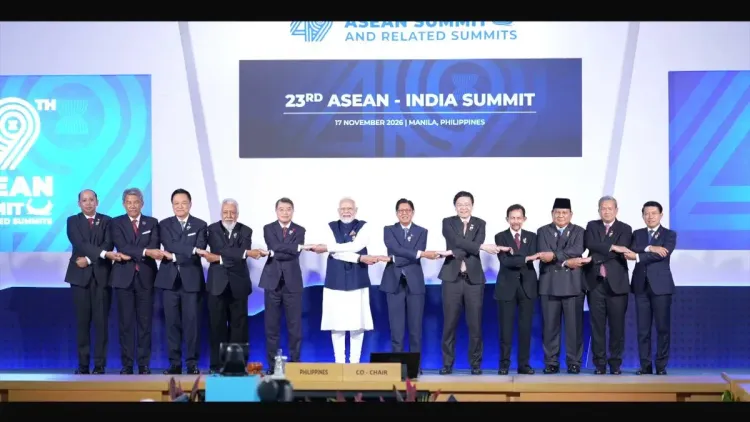
A diplomatic swing through Southeast Asia concluded on Tuesday, 17 November 2026, as Prime Minister Narendra Modi wrapped up what he called a 'fruitful Philippines visit' — one aimed squarely at deepening bilateral ties and reinforcing India's presence on the ASEAN multilateral stage. The Prime Minister shared highlights of the engagements in a post addressed directly to President Ferdinand 'Bongbong' Marcos Jr.
Modi's message to Manila
In his post, Prime Minister Modi described the visit as oriented towards 'furthering bilateral and multilateral linkages with various nations,' offering gratitude to President Marcos, the Philippine government, and the Filipino people. The shout-out to @bongbongmarcos signals the warm personal rapport both leaders have been cultivating — a currency that often lubricates the harder work of trade and security negotiations.
Act East in action: why Manila matters
The Philippines is not a peripheral stop on India's foreign-policy map. As an ASEAN member state occupying a strategically sensitive position in the South China Sea, Manila sits at the intersection of maritime trade routes that India's own naval and commercial interests depend on. Indian leaders have historically timed visits to the Philippines around ASEAN summits and related multilateral platforms — the last such high-profile engagement at the leader level dates to November 2017, when Modi attended the ASEAN-India Commemorative Summit in Manila.
That nine-year gap makes this return visit notable in itself. It signals a fresh momentum under India's Act East Policy — the strategic framework that asks New Delhi to treat Southeast Asia not as a distant neighbourhood but as an active theatre for trade, connectivity, and defence cooperation.
What the visit was built to do
Beyond the warm optics, the structural logic of the trip is straightforward: India wants deeper defence and maritime cooperation with ASEAN partners as a counterweight to shifting regional power dynamics, while the Philippines — itself navigating complex pressures in the South China Sea — has strong incentives to diversify its security partnerships. Any memoranda of understanding or agreements inked during the visit will be worth watching closely as the follow-through begins.
The multilateral dimension matters equally. India's engagement with the ASEAN grouping has been a consistent foreign-policy priority, and summit-adjacent bilateral meetings — like this one — are how New Delhi converts summit goodwill into durable, working-level linkages.
A relationship warming on both sides
The personal diplomacy dimension should not be underestimated. President Marcos, who took office in 2022, has been actively diversifying the Philippines' external partnerships, and India's combination of a large defence industry, a booming digital economy, and a shared interest in a rules-based Indo-Pacific makes it a natural partner. Modi's direct address to the Philippine president on a public platform underscores that this visit was designed to be seen — a signal to the broader region that the India-Philippines relationship is on an upward curve.
The next benchmark: watch whether the momentum translates into substantive progress at the next ASEAN-India Summit, where the deliverables from Manila will face their first real test.
Point of View
Not just summit declarations, is what converts ASEAN relationships into functional partnerships. Modi's direct public address to Marcos signals an investment in personal diplomacy as a foreign-policy tool. With the Philippines navigating its own security pressures in the South China Sea, New Delhi is positioning itself as a viable strategic partner at a moment when Manila is actively diversifying its alliances. The real indicator of success will be whether any agreements signed on this trip are operationalised before the next ASEAN-India summit cycle.
NationPress
17 Nov 2026
Frequently Asked Questions
Why did PM Modi visit the Philippines in November 2026?
Prime Minister Modi visited the Philippines to strengthen bilateral ties with Manila and to advance multilateral linkages with other nations, consistent with India's Act East Policy of sustained engagement with ASEAN member states.
Who is Bongbong Marcos?
Ferdinand 'Bongbong' Marcos Jr. is the President of the Philippines. He took office in 2022 and has been actively diversifying the Philippines' external partnerships, including with India.
When was the last time an Indian PM visited the Philippines?
The previous high-profile visit was in November 2017 , when PM Modi attended the ASEAN-India Commemorative Summit in Manila.
What is India's Act East Policy?
India's Act East Policy is a strategic framework that prioritises sustained, high-level engagement with Southeast Asian nations to advance trade, maritime cooperation, connectivity, and defence ties with the ASEAN region.
What should we watch for after Modi's Philippines visit?
Key things to follow include the operationalisation of any memoranda of understanding or agreements signed during the visit, and India's engagement with the Philippines at the next ASEAN-India Summit .