PM Modi's Chintan Shivir: How governance became an innovation lab
Synopsis
As PM Modi convenes a Cabinet Chintan Shivir, five quietly implemented bureaucratic reform programmes — Anubhav, Swatah Sukhay, Back to the First Posting, the Assistant Secretary Programme, and One Secretary One Taluka — are drawing renewed attention. Together, they reveal a consistent, under-reported effort to institutionalise learning and ground-connectedness within India's administrative system.
Key Takeaways
PM Narendra Modi held a Chintan Shivir with his Cabinet colleagues on 23 September 2026 in New Delhi .
The Anubhav programme requires retiring senior officers to document their professional experiences before leaving service.
Swatah Sukhay allows officers to voluntarily contribute to projects outside their own departments.
The 'Back to the First Posting' initiative asks officers to revisit their first posting location and assess progress over the years.
The Assistant Secretary Programme places newly inducted IAS officers in Union Ministries for three months before their first field posting.
The 'One Secretary, One Taluka' initiative assigns senior IAS officers to backward talukas to maintain grassroots connectivity.
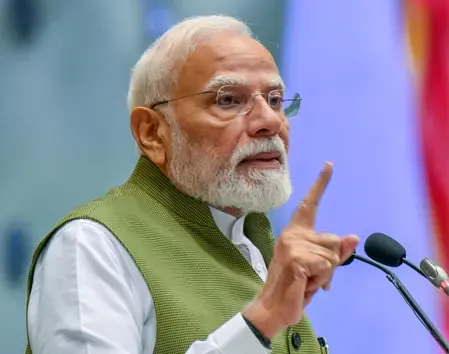
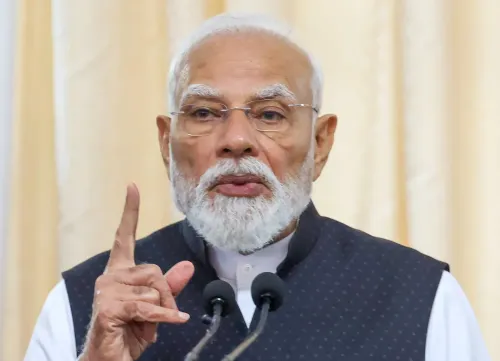
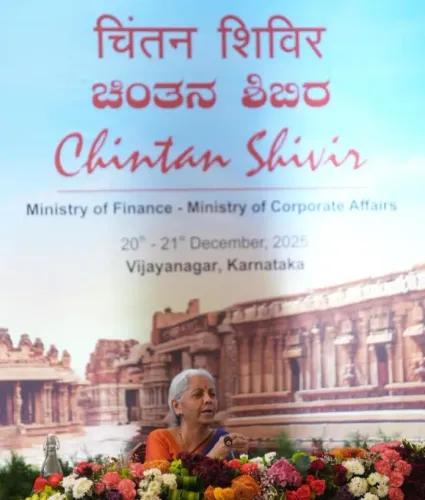
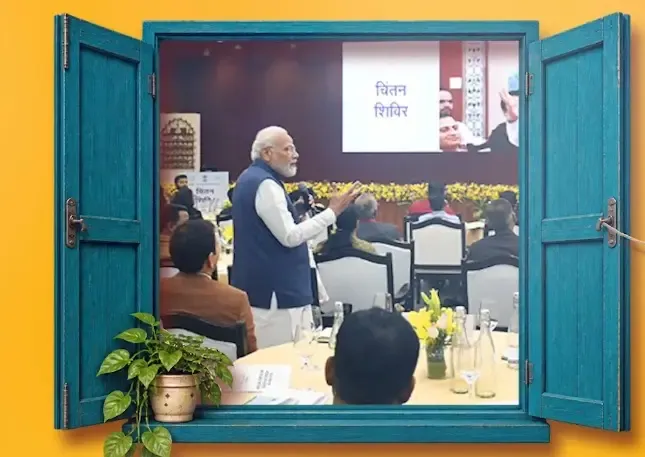
Prime Minister Narendra Modi convened a Chintan Shivir with his Cabinet colleagues on 23 September 2026 in New Delhi, a governance retreat that has become a signature tool of his administration for structured policy introspection. As the session got under way, the Modi Story social media account drew attention to a series of bureaucratic reform initiatives introduced under Modi's tenure that, it argued, have fundamentally altered how the Indian government operates.
Treating Government Like an Innovation Lab
The Modi Story account, which has a large following, described the Prime Minister's approach as one that treats governance 'like an innovation lab.' According to the account, several low-profile but consequential experiments have quietly reshaped the functioning of the Indian bureaucracy over the past decade. 'Some initiatives are simple, some are pathbreaking,' the post noted.
Key Bureaucratic Initiatives Highlighted
One of the most notable programmes cited is Anubhav — a structured knowledge-transfer initiative under which senior officers document their professional learnings and field insights before retirement. The aim is to ensure that institutional wisdom accumulated over decades is not lost when an officer's service ends. 'It seeks to ensure that an officer's experience does not retire with them,' the account stated.
Another initiative, Swatah Sukhay, allows officers to voluntarily take up projects outside their primary departments, driven by a motivation to contribute to public service beyond their formal mandate. The programme is designed to harness discretionary energy within the bureaucracy for broader civic good.
The 'Back to the First Posting' initiative takes a different approach — it encourages serving officers to revisit the taluka or district where their administrative careers began, and personally assess what has changed over the intervening years. The exercise is intended as both a reflective tool and an accountability measure.
The Assistant Secretary Programme ensures that newly inducted IAS officers spend three months working within Union Ministries before proceeding to their first field postings. This gives fresh recruits firsthand exposure to how the Union government functions — a grounding that, proponents argue, makes them more effective when they move to the field.
Finally, the 'One Secretary, One Taluka' initiative assigns senior IAS officers to backward talukas, ensuring that even the most senior administrators retain direct contact with grassroots realities. 'Because seniority doesn't mean handling only large departments. But also staying connected to the ground,' the Modi Story post noted.
The Chintan Shivir in Context
The Chintan Shivir format — described by the account as a 'governance bootcamp' — has been used periodically under the Modi administration to convene Cabinet ministers for structured strategy sessions away from the routine of day-to-day governance. The retreats are intended to provide space for long-term thinking and inter-ministerial coordination. Notably, this format mirrors practices seen in corporate strategy and the Indian Army's own internal review culture.
What This Signals Going Forward
The publicising of these initiatives alongside the Chintan Shivir suggests a deliberate effort to frame the Modi administration's governance record around systemic reform rather than individual policy announcements. Whether these programmes have produced measurable improvements in bureaucratic performance remains a subject of debate among governance researchers, but their existence points to an ongoing effort to institutionalise learning within India's administrative machinery. The outcomes of the current Cabinet retreat are expected to shape policy priorities in the months ahead.
Point of View
No legislative fanfare, just procedural nudges aimed at institutional learning. What they reveal is a governance philosophy that prioritises habit formation over structural overhaul. The harder question is whether these initiatives have been independently evaluated: documenting experiences and revisiting old postings are admirable impulses, but without rigorous outcome measurement, they risk remaining feel-good rituals rather than genuine reforms. India's bureaucratic inertia runs deep, and anecdotal culture change is not the same as systemic change.
NationPress
23 Sept 2026
Frequently Asked Questions
What is the Chintan Shivir held by PM Modi?
The Chintan Shivir is a structured governance retreat in which PM Modi convenes Cabinet ministers for strategic review and policy planning outside the routine of daily administration. The session on 23 September 2026 was one in a series of such retreats held during his tenure.
What is the Anubhav initiative in Indian governance?
Anubhav is a programme under which senior government officers document their professional learnings and field insights before retirement, so that their institutional knowledge benefits the next generation of administrators. It is designed to prevent decades of accumulated experience from being lost when officers leave service.
What is the 'One Secretary, One Taluka' initiative?
The 'One Secretary, One Taluka' initiative assigns senior IAS officers to backward talukas, ensuring that even the most experienced administrators maintain direct exposure to grassroots realities. It is intended to prevent seniority from becoming synonymous with insulation from field conditions.
What is the Assistant Secretary Programme for IAS officers?
The Assistant Secretary Programme places newly inducted IAS officers in Union Ministries for three months before they proceed to their first field postings. The aim is to give fresh recruits a working understanding of how the Union government functions, making them more effective once deployed in the field.
What is the 'Back to the First Posting' initiative?
The 'Back to the First Posting' initiative encourages serving officers to return to the taluka or district where they began their administrative careers and personally evaluate what has changed over the years. It functions as both a reflective exercise and an informal accountability mechanism.