Has the MP Cabinet Approved the Excise Policy for 2026-27 While Retaining Restrictions on New Liquor Shops?
Synopsis
In a significant move, the Madhya Pradesh cabinet, led by Chief Minister Mohan Yadav, has endorsed the excise policy for 2026-27, upholding critical liquor sales restrictions. This policy aims to boost transparency, safeguard revenue, and support traditional liquor production, reflecting a balanced approach to regulation and business in the state.
Key Takeaways
No new liquor shops will be established in Madhya Pradesh.
Existing shop licenses will be allocated through e-tendering and e-auction .
There is a 20% increase in the reserve price for liquor shops.
Electronic invoices and e-bank guarantees will be mandatory.
Support for tribal Mahua liquor production is included in the policy.
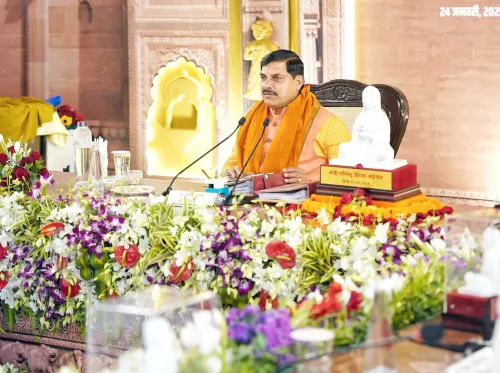
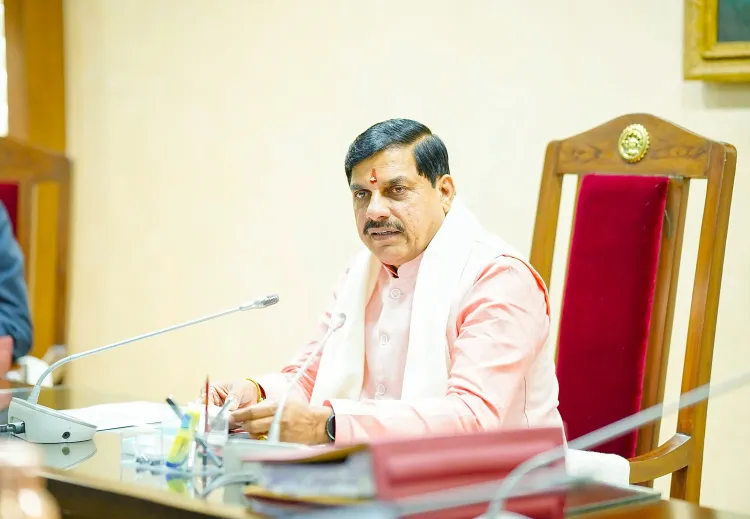
Bhopal, Feb 19 (NationPress) The cabinet of Madhya Pradesh, under the leadership of Chief Minister Mohan Yadav, has officially sanctioned the state’s new excise policy for the fiscal year 2026-27. This policy continues to enforce significant limitations on liquor sales while introducing initiatives designed to bolster transparency, protect revenue, and advocate for traditional liquor production.
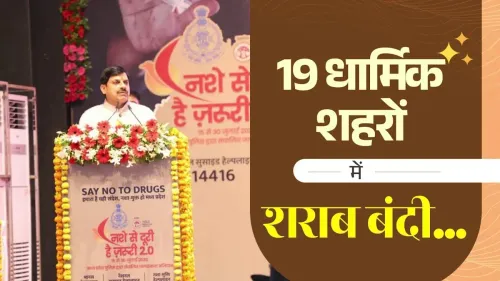
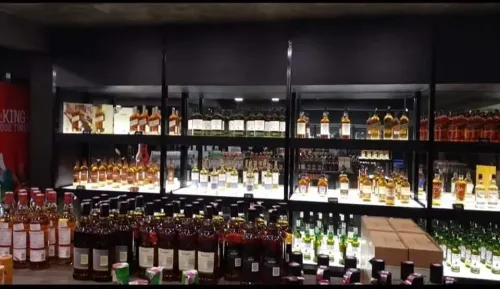
As per the revised policy, the establishment of any new liquor shops will be prohibited throughout the state, and current shop locations will remain unchanged without expansion or relocation. The existing restrictions on liquor shops located within a five-kilometer radius on either side of the Narmada River banks and the ban on liquor outlets in certain revered cities will remain intact.
This policy also ends the long-standing practice of automatic renewal for liquor shop licenses. Instead, all 3,553 current liquor shops will be allocated through e-tendering and e-auction methods to ensure transparency and discourage monopolistic behavior.
To set a new baseline for allocations, the reserve price for liquor shops will be determined by raising the current year's license fee by 20 percent.
The liquor shops will be organized into clusters, with each group containing a maximum of five shops to streamline the bidding process. District authorities will classify these clusters into three to four categories, and the e-tendering and e-auction will be executed in phases.
To promote financial transparency and minimize the potential for irregularities, only electronic invoices and e-bank guarantees will be accepted as security deposits. Traditional bank guarantees and fixed deposits will be eliminated under the new framework.
The policy retains existing liquor duty rates and license fees for manufacturing units, bars, and other associated businesses, ensuring stability and continuity for industry participants.
In a bid to foster exports and simplify business operations, liquor manufacturers will no longer need prior government consent to set product prices and may declare prices directly through the designated government portal following established procedures. Changes have also been made to fee structures and label registration processes to encourage international exports.
The policy includes specific provisions to assist tribal self-help groups involved in the production of tribal Mahua liquor. To facilitate the sales of Mahua-based products in other states, reciprocal agreements will be permitted, allowing heritage or traditional liquors from other states to enter Madhya Pradesh duty-free, provided similar treatment is extended to Mahua products.
The new excise policy is set to take effect on April 1, 2026, and aims to improve regulatory transparency, prevent monopolistic control, and enhance state revenue while maintaining necessary safeguards on liquor availability.
Point of View
The Madhya Pradesh cabinet's approval of the excise policy for 2026-27 represents a balanced approach to liquor regulation in the state. By maintaining existing restrictions while introducing measures for transparency and support for traditional production, the policy aims to enhance revenue and prevent monopolistic practices. This move reflects a commitment to responsible governance and community support.
NationPress
2 Oct 2026
Frequently Asked Questions
What is the main goal of the new excise policy in Madhya Pradesh?
The primary goal of the new excise policy is to enhance transparency, safeguard revenue, and support traditional liquor production while maintaining key restrictions on liquor sales.
Will new liquor shops be allowed under the new policy?
No, the new excise policy retains a ban on opening new liquor shops across the state.
How will existing liquor shop licenses be renewed?
Existing liquor shop licenses will no longer be automatically renewed; they will be allotted through e-tendering and e-auction processes.
What provisions are made for tribal self-help groups?
The policy includes special provisions to support tribal self-help groups involved in the production of tribal Mahua liquor.
When will the new excise policy come into effect?
The new excise policy is set to take effect on April 1, 2026.