MP CM Mohan Yadav Highlights Tribal Universities Named After Freedom Icons
Synopsis
Madhya Pradesh CM Mohan Yadav announced on November 5, 2026 that universities have been established in the names of tribal heroes Raja Shankar Shah, Raghunath Shah, Rani Durgavati and Tantya Mama, honouring the state's ST heritage alongside PM Modi's tribal welfare push.
Key Takeaways
Mohan Yadav stated on November 5, 2026 that Madhya Pradesh has established universities named after tribal freedom icons.
The universities honour Raja Shankar Shah and Raghunath Shah (1857 Gond martyrs), Rani Durgavati (16th-century Gond warrior queen), and Tantya Mama (19th-century Bhil revolt leader).
The move is framed as part of PM Narendra Modi's national agenda for tribal development, dignity and empowerment.
Madhya Pradesh has the largest Scheduled Tribe population in India, making higher education access and cultural recognition particularly consequential.
The initiative combines symbolic identity-building with practical infrastructure for ST students in central India.
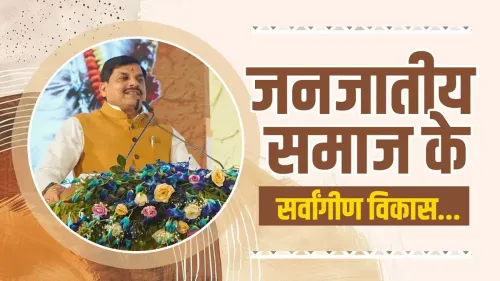
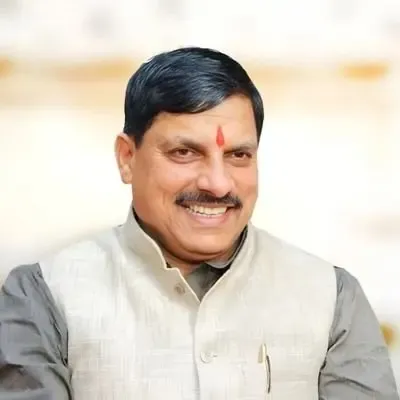
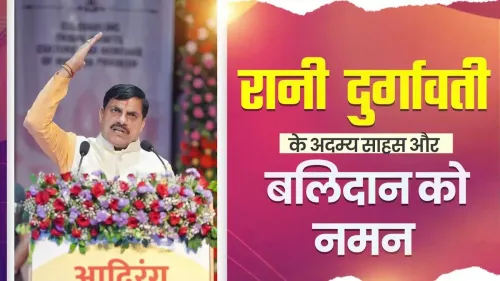
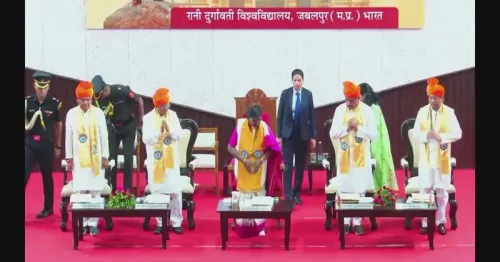
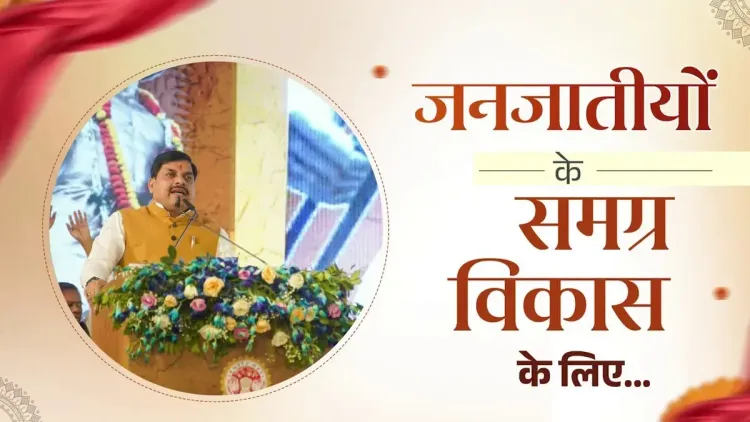
Three names from the margins of history are now being carved into the gates of higher education — and Madhya Pradesh Chief Minister Dr. Mohan Yadav wants the country to notice. On Thursday, November 5, 2026, the Chief Minister's Office of Madhya Pradesh posted on X, with CM Yadav stating that universities in the state have been established in the names of iconic tribal leaders Raja Shankar Shah, Raghunath Shah, Rani Durgavati, and Tantya Mama — figures who shaped resistance and identity in central India long before independence arrived.
Posting in Hindi, CM Yadav said: 'Mujhe is baat ka garv hai' ('I am proud of this') — that Madhya Pradesh has earned the distinction of establishing universities named after these great heroes to honour its tribal leaders and preserve their glorious heritage. The remark was framed within broader praise for Prime Minister Narendra Modi's leadership on tribal welfare, development, and empowerment at the national level.
Who Are the Heroes Behind the University Names?
Raja Shankar Shah and Raghunath Shah were 19th-century Gond rulers from present-day Madhya Pradesh, executed by British forces in 1857 for their role in the First War of Independence — one of the earliest and most dramatic acts of tribal martyrdom against colonial rule. Rani Durgavati, the warrior queen of the Garha-Mandla Gond kingdom, fought and died defending her realm against Mughal expansion in the 16th century — a figure long celebrated in the region's oral and written traditions. Tantya Mama, a Bhil tribal leader from central India, led peasant revolts in the late 19th century and is remembered in folk memory as a Robin Hood-like figure who defied British authority until his capture and execution.
Naming universities after them is not merely ceremonial. It signals to Scheduled Tribe students — Madhya Pradesh has India's largest tribal population — that the institutions they enter carry the weight and pride of their own ancestors' legacies.
MP's Tribal Higher Education Push in a National Frame
Madhya Pradesh has pursued a layered approach to tribal inclusion: socio-economic schemes, cultural preservation, and now dedicated higher education infrastructure bearing the names of community heroes. This aligns with the Modi government's national thrust on tribal welfare, which includes flagship programmes on health, livelihoods, and forest rights for Scheduled Tribe communities across India's high-density tribal belts.
The symbolic and practical dimensions reinforce each other. When a student from a Gond or Bhil community enrolls in a university named after their own historical icon, the institution's very identity becomes an act of belonging. That fusion of pride and access is precisely what CM Yadav's post points to — and what state governments in tribal-majority regions are increasingly leaning into.
The operational details of these universities — enrollment figures, faculties, and curricula — will ultimately determine whether the promise in their names is matched by the quality within their walls. That is the test Madhya Pradesh now has to pass.
Point of View
However, lies beyond nomenclature — in faculty strength, funding, and graduate outcomes at these institutions. Whether the symbolic investment translates into measurable educational uplift will define the legacy CM Yadav is staking his claim on.
NationPress
6 Nov 2026
Frequently Asked Questions
Which universities in Madhya Pradesh are named after tribal leaders?
Madhya Pradesh has established universities named after Raja Shankar Shah and Raghunath Shah , Rani Durgavati , and Tantya Mama — all iconic tribal freedom fighters and leaders from the region.
Who was Rani Durgavati?
Rani Durgavati was a 16th-century Gond queen of the Garha-Mandla kingdom in present-day Madhya Pradesh, celebrated for her fierce resistance against Mughal expansion before dying in battle.
Who was Tantya Mama?
Tantya Mama was a 19th-century Bhil tribal leader from central India known for leading peasant revolts against British authority; he is remembered in folk tradition as a champion of the poor.
What is Madhya Pradesh's tribal population significance?
Madhya Pradesh has the largest Scheduled Tribe population of any Indian state, making it a critical focus for tribal welfare, education, and cultural recognition policies.
How does naming universities after tribal heroes benefit ST communities?
Universities bearing the names of community icons create a sense of belonging and pride for Scheduled Tribe students , signalling institutional recognition of their heritage alongside providing access to higher education infrastructure.